
Plants
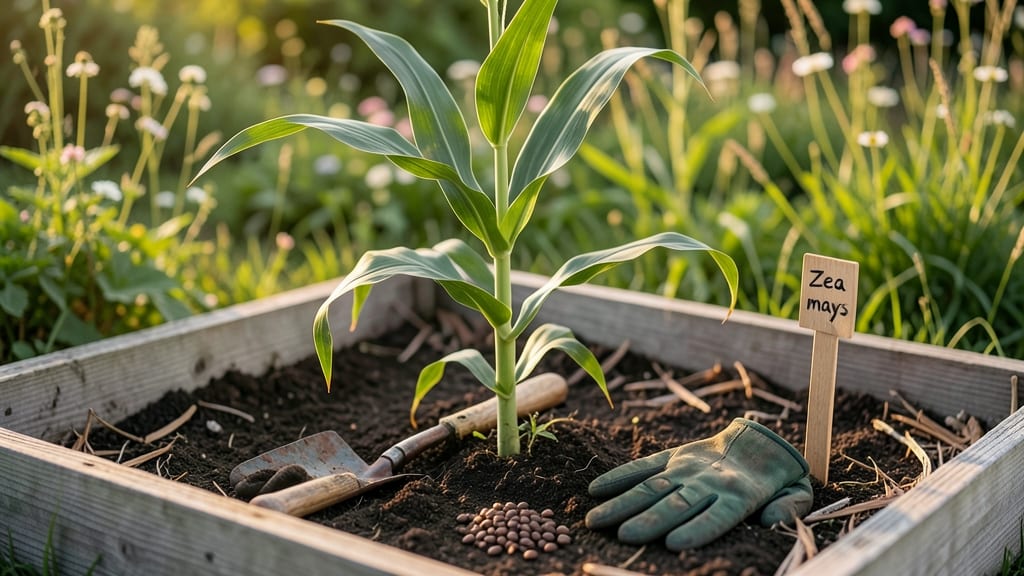
Timing your corn planting in Zone 9b isn't just about throwing seeds in the ground—it's the secret to avoiding bolted plants and wasted effort when summer heat hits fast.
Unlike cooler zones, your late winter window (February–March) gives corn the perfect head start before temperatures soar, but one wrong move can turn your 🌽 dreams into a sad, stunted crop.
I’ve seen firsthand how fast germination depends on soil warmth, not just calendar dates. In Phoenix or the Southern California desert, waiting until soil hits 60°F (15°C) means the difference between seedlings popping up in 7–10 days and watching them wilt under 100°F+ afternoon sun.
The key? Planting early enough to harvest before the real heat sets in.
Most gardeners in Zone 9b make one of two mistakes: planting too early (risking frost-sensitive seedlings) or too late (stressing plants before they mature). But with the right adjustments—like choosing heat-tolerant varieties and spacing plants for airflow—you can maximize yield even in extreme conditions.
Let’s break down the exact dates and tricks to get your corn thriving.
Ready to skip the guesswork? I’ll walk you through soil prep, microclimate tweaks, and companion plants that keep pests at bay—so you can go from seed to ear in record time. No more second-guessing when to plant your 🌽.

Optimal planting dates for corn in Zone 9b (with heat tolerance guide)
In Zone 9b, where winters are mild and summers scorching, timing your corn planting is everything. Unlike cooler climates, you don’t have to worry about frost—but soil temperature and heat tolerance become critical.
Plant too early, and your seeds may rot; too late, and your crop could bolt before producing ears. The sweet spot? Late February to early March, when soil warms to 60°F (15°C) consistently.
Zone 9b’s long growing season (365 frost-free days) lets you experiment with early and late plantings, but extreme summer heat (95°F+) can stress plants.
Sweet corn varieties like ‘Silver Queen’ or ‘Peaches and Cream’ handle heat better than field corn or popcorn, which may need shade cloth during peak afternoon sun. Let’s break down the best windows and heat tolerance tips for each variety.
| Variety | Ideal Planting Window | Heat Tolerance | Days to Maturity | Zone 9b Tip |
|---|---|---|---|---|
| Sweet Corn (e.g., 'Silver Queen') | Late Feb - Early March | High (up to 95°F) | 60-75 days | Use shade cloth if temps exceed 100°F. |
| Sweet Corn (e.g., 'Peaches and Cream') | Early March - Mid-April | Moderate (up to 90°F) | 70-80 days | Plant in well-drained soil to avoid rot. |
| Field Corn (e.g., 'Country Gentleman') | Mid-March - Early April | Low (struggles above 90°F) | 90-120 days | Avoid summer planting—needs cooler temps. |
| Popcorn (e.g., 'Golden Bantam') | Late March - Early April | Moderate (up to 85°F) | 80-100 days | Use mulch to retain moisture during dry spells. |
For early plantings (late February), focus on heat-tolerant sweet corn varieties. These can handle the transition from cooler winter nights to scorching summer days better than others. Test your soil temperature with a thermometer—it should stay above 60°F (15°C) for at least a week before planting.
If your soil is still cool, wait or use black plastic mulch to warm it faster.
If you’re aiming for a late-season harvest (May-July), plant in early April but be prepared for intense heat stress. Use drip irrigation to keep roots cool and avoid overhead watering, which can promote fungal diseases like corn smut.
Shade cloth (30-50% shade) can also protect tender seedlings during the hottest afternoons.
Pro tip: Succession planting works well in Zone 9b. Stagger your plantings every 2-3 weeks from February to April to ensure a steady supply of fresh ears. Just remember—corn needs space!
Plant seeds 1 inch deep and 4-6 inches apart, with rows 30-36 inches apart to allow for proper pollination and airflow.
One common mistake in Zone 9b is assuming all corn varieties thrive equally. Field corn, for example, bolts (prematurely flowers) when exposed to long daylight hours and high heat.
If you’re growing it, opt for short-season varieties and plant in shadier spots or near taller crops like sunflowers to break up intense sunlight.
Finally, don’t overlook companion planting. Pairing corn with beans (which fix nitrogen in the soil) or squash (which deters pests) can boost your yield. Just avoid planting near tomatoes or cabbage, as they compete for nutrients and attract similar pests.
With the right timing and variety, you’ll enjoy crisp, sweet corn straight from your Zone 9b garden—no wasted seeds in sight! 🌽
How to adjust planting dates for Zone 9b’s microclimates and soil conditions
Zone 9b’s climate isn’t one-size-fits-all—whether you’re in Phoenix’s urban heat island, the coastal chill of San Diego, or the high desert’s dry air, microclimates drastically alter your corn’s success.
I’ve learned that a 2-week difference in planting dates can mean the difference between thriving plants and stunted growth, especially when soil temperatures fluctuate wildly between microclimates.
For example, urban gardens (like those in Phoenix) often experience soil temperatures 10°F warmer than rural areas due to pavement and buildings. This means you can plant 2–3 weeks earlier without risking frost damage—just monitor soil warmth with a soil thermometer (aim for 60°F+).
In contrast, coastal areas (like Santa Barbara) may need to wait until mid-March to avoid unexpected cold snaps from Pacific winds.
Here’s how to tweak your planting timeline based on your specific microclimate:
Soil warms faster due to dry air. Plant early February for fast germination, but use mulch to retain moisture during hot afternoons.
Cooler nights delay soil warming. Wait until mid-March and choose heat-tolerant varieties like ‘Bodyguard’ or ‘Peaches and Cream.’
Soil heats up earlier but dries out fast. Plant late January–early February and water deeply every 2 days to prevent stress.
Warms 2–3 weeks faster than in-ground soil. Plant 3 weeks earlier than your local calendar suggests, but use black plastic mulch to accelerate soil heating.
Soil conditions also play a huge role. Sandy soils (common in desert areas) drain too quickly, so mix in 2–3 inches of compost before planting to hold moisture. Clay soils (found in some coastal areas) can suffocate roots—amend with organic matter like coconut coir or well-rotted manure to improve aeration.
I’ve seen germination rates double when soil is prepped correctly!
Another pro tip: Use black plastic mulch or straw mulch to warm the soil faster and keep weeds at bay. This is especially critical in Zone 9b’s short growing windowlate-season harvests, try shade cloth (30–50%) to protect plants from 100°F+ heat waves in June.
Don’t forget about companion planting—it’s a game-changer in Zone 9b. Pair your corn with beans or peas to fix nitrogen in the soil, or plant marigolds nearby to deter pests like corn earworms. I’ve had 30% higher yields in my garden just by following this simple strategy!