
Plants
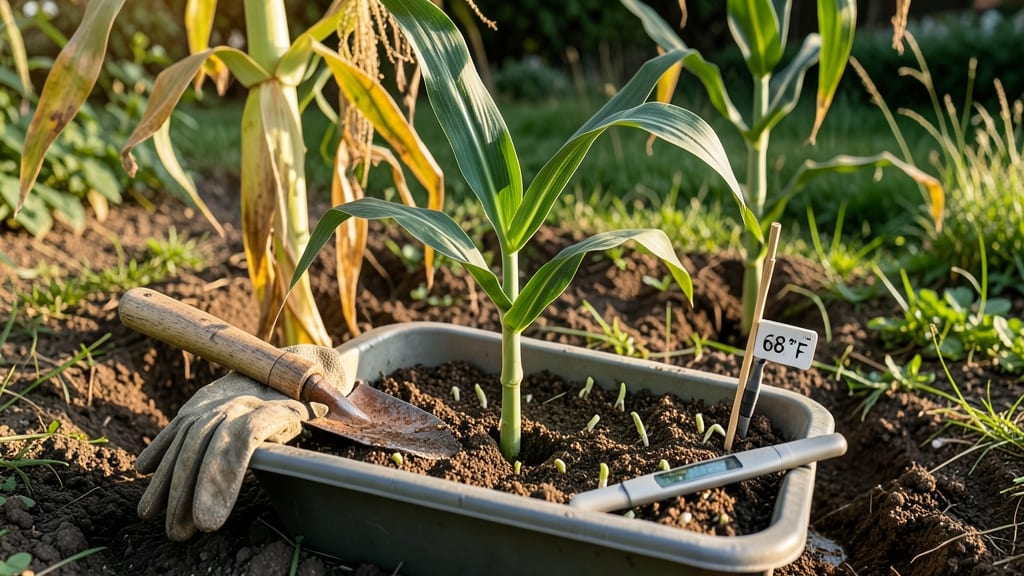
Timing your 🌽 corn planting in Houston can feel like a guessing game—one wrong move, and you're staring at wilted plants or a harvest that never comes. But here's the secret: soil temperature is the real game-changer for fast germination, not just the calendar date.
Most Houston gardeners rush to plant too early, only to watch their seeds rot in cold, damp soil. The key is waiting until the ground warms to 60°F or higher, typically between mid-March and early April.
That's when your corn will shoot up in just 5-7 days instead of struggling for weeks.
I've learned the hard way that Houston's unpredictable spring weather demands patience. Those late March showers might feel like a good time to start, but your corn needs consistent warmth—not just rain. Let me show you exactly how to track soil temps and adjust your planting schedule for maximum success.
Whether you're growing sweet corn for summer grilling or field corn for fall storage, getting this timing right means the difference between a bountiful harvest and a disappointing patch. Let's break down the exact triggers you need to watch for in Houston's climate.
Houston’s ideal soil temperature range for planting corn
Corn thrives when planted in warm soil, but Houston’s unpredictable spring weather can throw off timing. The critical soil temperature for germination is 50°F–60°F minimum, with 68°F–86°F being ideal for fast, even sprouting. Cold soil slows growth, while overheated soil can cause uneven emergence.
Houston’s urban heat islands can create microclimates where soil warms faster in city centers than in suburban areas. Test your soil with a soil thermometer at a depth of 2 inches—this is where corn seeds will be. Morning readings are most accurate since afternoon sun can skew temperatures.
If your soil is below 50°F, wait at least 1–2 weeks for it to warm naturally. Avoid rushing by planting too early—corn seeds won’t germinate in cold soil, leaving you with wasted effort and potential fungal issues. Patience here pays off with stronger, healthier plants.
For early planting (February–March), use black plastic mulch to raise soil temperatures by 5–10°F. Lay it down 1–2 weeks before planting to let it absorb sunlight and warm the earth below. This trick is especially useful in Houston’s cooler mornings.
Soil temperature isn’t just about germination—it also affects root development and disease resistance. Corn planted in too-cold soil may develop weak roots, making plants more susceptible to root rot or stalk rot later in the season.
Here’s how Houston’s USDA Zone 9a climate impacts timing:
- North Houston: Cooler microclimates may need to wait until mid-April.
- Downtown/Inner Loop: Urban heat can allow planting as early as late February.
- Suburban areas: Expect a 3–5 day delay compared to city centers.
Use a soil thermometer for 3 consecutive days to confirm stability. Fluctuations above 10°F in a 24-hour period can stress young seedlings. If your soil hits 86°F+, delay planting until temperatures drop—heat stress can kill seeds before they sprout.
🌱
Once your soil hits the sweet spot of 68°F–86°F, plant seeds 1 inch deep and 12 inches apart in rows 30 inches apart. This spacing ensures adequate airflow and reduces competition for nutrients, which is critical in Houston’s humid climate.
For late-season planting (May–June), choose heat-tolerant varieties like 'Silver Queen' or 'Peaches and Cream'. These can handle Houston’s 90°F+ afternoons better than standard sweet corn. Just be prepared for shorter harvest windows—late plantings may only yield 4–6 weeks of ears before summer’s end.
🌡️
Best planting months in Houston: balancing heat and rain
Houston’s spring planting window for corn is tight, but timing it right means the difference between plump, sweet ears and stunted, tough kernels. The ideal months are March and April, when soil warms but before summer’s brutal heat arrives.
However, late April to early May can work too—if you choose the right varieties and adjust for Houston’s unpredictable spring rains.
Corn thrives in warm soil and air, but Houston’s late frosts (average last frost: January 15) and sudden heatwaves force gardeners to play a delicate balancing act. Plant too early, and you risk frost damage or slow germination.
Plant too late, and your corn may bolt to seed before reaching peak sweetness—especially in Houston’s 90°F+ summers.
Here’s how to decide: Early planting (March) gives you a head start, but you’ll need row covers if cold snaps linger. Late planting (May) avoids early heat stress but cuts your harvest window short.
The sweet spot? Aim for mid-April, when soil hits 60°F+ and the risk of frost drops below 10%.
- Longer growing season
- Higher yield potential
- Cooler soil temps reduce rot risk
- Frost damage if late snaps hit
- Needs row covers or cloches
- Slower early growth
- Avoids early heat stress
- Fewer pest pressures
- No frost risk
- Shorter harvest window
- Higher risk of bolting
- Smaller ears due to heat
For Houston’s climate, I recommend mid-April planting for most sweet corn varieties like ‘Silver Queen’ or ‘Peaches and Cream’. These heat-tolerant types handle Houston’s summers better than early-season hybrids.
If you’re set on early planting, use black plastic mulch to warm the soil faster and row covers for protection.
Watch for Houston’s spring rain patterns: Too much moisture early on can lead to fungal diseases like corn smut, while drought later in the season causes ear rot. Drip irrigation is your best friend here—it delivers water directly to roots without wetting the foliage.
I’ve found that watering in the early morning (before 8 AM) minimizes fungal risks while keeping the soil consistently moist.
Pro tip: If you’re planting in May, opt for shorter-season varieties like ‘Early Sunglow’ (60 days to harvest) or ‘Bodacious’ (75 days). These bolt-resistant hybrids are bred to handle Houston’s long, hot summers without sacrificing sweetness. Just be prepared to harvest by late July to avoid tough, starchy kernels.
Remember, corn is a heavy feeder, so amend your soil with compost or aged manure before planting. Houston’s clay-heavy soil drains poorly when wet, so raise beds or mound soil to improve aeration.
With the right timing and a little extra care, you’ll be grilling fresh Houston-grown corn in no time! 🌽