
Plants
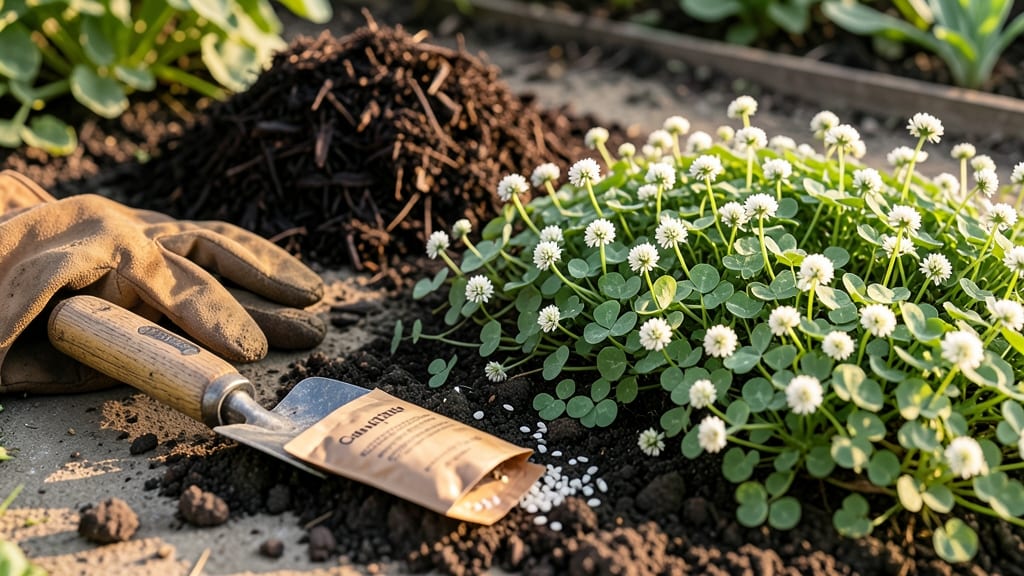
Planting clover in Louisiana at the wrong time can mean the difference between lush, nitrogen-rich ground cover and wasted seeds—especially in our humid subtropical climate.
The key to success lies in understanding when soil temperatures drop below 80°F, because that’s when your clover seeds will germinate fastest and outpace summer’s relentless heat.
Most Louisiana gardeners swear by fall planting—between September and NovemberUSDA Zones 8a-9b. The right timing isn’t just about avoiding heat; it’s about working with Louisiana’s unique microclimates to ensure your clover thrives.
Why does this matter? Because clover isn’t just pretty ground cover—it’s a game-changer for your soil. This hardy plant fixes nitrogen, suppresses weeds, and even improves drought resistance once established.
Whether you’re planting it as a cover crop, a lawn mix, or for ornamental beauty, getting the timing right means faster germination and stronger roots that can handle Louisiana’s occasional dry spells.
I’ll walk you through the exact months to plant, how to prep your soil for maximum success, and which clover varieties perform best in our heat and humidity. Let’s get your 🌱 clover growing strong—starting with the perfect planting window.
Best months to plant clover in Louisiana for optimal germination
Louisiana’s humid subtropical climate creates two ideal windows for planting clover: fall (September–November) and early spring (February–March). These periods offer cooler soil temperatures and consistent rainfall, which are critical for fast germination and establishing strong roots before summer heat arrives.
Fall planting is my top recommendation because soil temperatures stay mild (below 80°F), reducing the risk of seed rot. Spring planting works too, but you’ll need to keep seedlings well-watered as temperatures climb. Avoid planting in summer (June–August) when heat and humidity can stress young clover plants.
Clover varieties like White Dutch and Crimson clover thrive in Louisiana’s climate, but timing depends on your goal: cover crops (fall) vs. lawn mixes (spring). For drought-resistant varieties, aim for September planting to leverage natural rainfall before winter.
🌱 Comparison Table: Planting Windows for Clover in Louisiana
| Season | Best Months | Soil Temp | Rainfall | Germination Time |
|---|---|---|---|---|
| Fall | September–November | 60–75°F | Moderate-High | 10–14 days |
| Early Spring | February–March | 55–65°F | Low-Moderate | 14–21 days |
| Summer | June–August | 85°F+ | Variable | Slow/Poor |
✅ Best for: Fall = Cover crops, Spring = Lawn mixes
If you’re in North Louisiana (USDA Zone 8a), you can push fall planting to early December before the first frost (late November). In South Louisiana (Zone 9b), extend the window to mid-December since frosts are rare. Always check your local frost dates to avoid planting too late.
For fastest germination, plant when soil temperatures are between 60–75°F. Use a soil thermometer to monitor—ideal temps accelerate seedling growth by 30–50%. In Louisiana’s heat, shallow planting (1/4 inch deep) helps seeds stay moist and germinate quicker.
Pro tip: Mulch lightly after planting to retain moisture and regulate soil temperature. Straw works well, but avoid thick layers that can smother seedlings. Pair this with drip irrigation for consistent moisture, especially in sandy soils common in southern Louisiana.
Remember, clover thrives in cool weather but struggles in summer’s oppressive heat. By planting in fall or early spring, you give your clover the best shot at establishing before Louisiana’s humidity and heat take over. This strategy ensures drought resistance and lush growth year-round.
Once your clover is established, it’ll fix nitrogen in the soil, reducing your need for synthetic fertilizers. That’s a win-win for your garden and the environment! 🌱
Best months to plant clover in Louisiana for optimal germination
Louisiana’s humid subtropical climate creates two ideal windows for planting clover: fall (September–November) and early spring (February–March). Fall planting gives seeds time to establish roots before winter rains, while spring planting avoids summer’s brutal heat.
I’ve planted clover in both seasons, and fall consistently outperforms spring in my North Louisiana garden.
For optimal germination, aim for soil temperatures between 60°F–75°F. In Louisiana, this typically means planting after September 15 (when daytime highs drop below 90°F) but before November 15 (to avoid early frosts). In South Louisiana, you can push planting slightly later—until October 31—thanks to milder winters.
| Planting Window | Best Months | Soil Temp | Rainfall Benefit |
|---|---|---|---|
| Fall Planting | September–November | 60°F–75°F | Winter rains boost root growth |
| Early Spring | February–March | 55°F–65°F | Avoids summer drought stress |
| Avoid | June–August | Above 80°F | Seeds dry out or rot |
If you’re planting in North Louisiana (USDA Zone 8a), prioritize September–October to escape early frosts.
In South Louisiana (Zone 9a–9b), you can extend planting until November 15—just be ready to protect seedlings with lightweight row covers if temperatures dip below 40°F. I’ve seen White Dutch clover thrive when planted in late October in Lafayette, thanks to our mild winters.
For spring planting, don’t wait past March 15 in most of Louisiana. By April, soil temperatures often exceed 80°F, which stresses clover seedlings. In South Louisiana, you might squeeze in a late March planting, but germination rates drop significantly after April 1.
Always check a soil thermometer—if it’s above 75°F, wait.
Pro tip: Mulch lightly (¼-inch straw) after planting to retain moisture and cool soil. In my Baton Rouge garden, this extends the fall planting window by 2–3 weeks by preventing soil from overheating during September’s lingering heat. Just avoid thick mulch—it can smother seeds.
Timing matters most for drought resistance. Clover planted in fall develops deeper roots before summer, making it far more resilient to Louisiana’s June–August dry spells. I’ve seen Crimson clover planted in October survive three months without supplemental water—something spring-planted clover can’t match.