
Plants
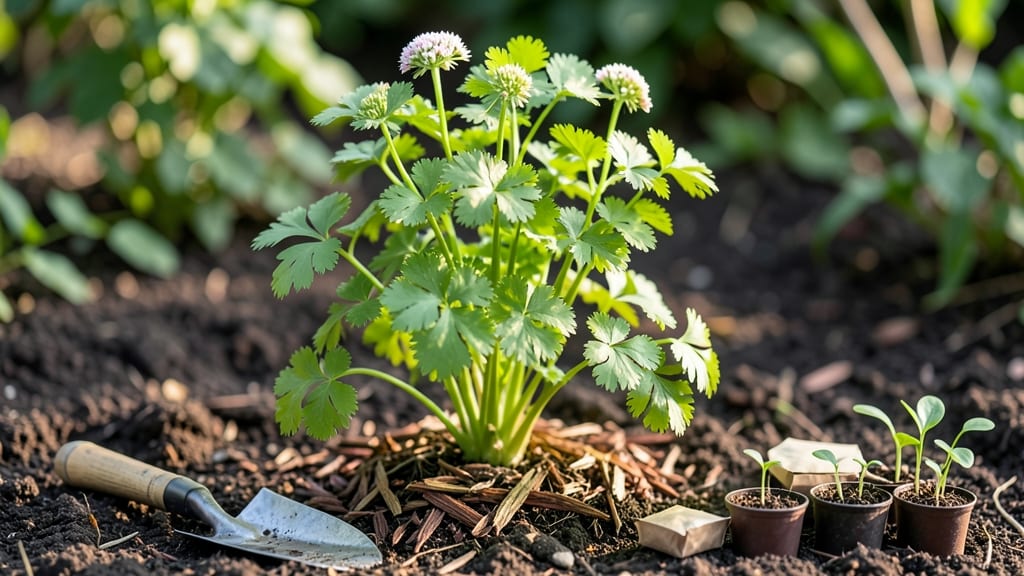
Timing your cilantro planting in Oregon isn’t just about following a calendar—it’s about outsmarting the Pacific Northwest’s tricky frost patterns and summer heat. Get the schedule wrong, and you’ll either lose tender seedlings to late frosts or watch your plants bolt before you can harvest a single leaf.
But with the right approach, you can enjoy fresh 🌿 cilantro from spring through fall.
The key is planting in two strategic windows: early spring (March–April) and late summer (September–October). These timing tricks let you bypass Oregon’s 7b–9a zone challenges, whether you’re in Portland’s mild valleys or the cooler coastal regions.
I’ll show you exactly how to sync your planting with frost dates and soil temperatures.
You’ll also discover how to stretch your harvests with succession planting, a game-changer for Oregon gardeners. By spacing out your seeds every few weeks, you’ll avoid the “all or nothing” harvest dilemma and enjoy a steady supply of flavorful leaves.
Plus, I’ll share pro tips for soil prep and shade strategies to keep your cilantro thriving.
Whether you’re a seasoned gardener or just starting, this guide will help you grow cilantro like a local—no more wasted seeds or bitter bolts. Let’s get your Oregon garden ready for a bumper crop of fresh herbs!
Oregon’s cilantro planting zones: coastal vs. inland frost timelines
Oregon’s diverse climate—from the cool coastal fog of Astoria to the dry heat of Bend—means cilantro thrives in different windows. Understanding your USDA zone (7b–9a) and last frost dates is key to avoiding frost damage or premature bolting. Let’s break down the best planting times for your region.
Coastal areas like Astoria and Cannon Beach enjoy milder winters, with last spring frosts often occurring in late March to early April.
Inland cities like Portland and Eugene typically see their final frost around mid-April, while high-desert regions like Bend can experience late frosts as late as mid-May.
For fall planting, coastal zones like Newport may extend cilantro growth until late October or early November, while inland valleys like the Willamette Valley often face the first frost by mid-October. High-altitude areas like Central Oregon can see frost as early as September.
🌱 Pro Tip: Use a frost calendar or local agricultural extension resources to pinpoint your exact last frost date. Plant cilantro 2–3 weeks before your region’s average last frost for spring harvests and 4–6 weeks before the first fall frost for fall growth.
For coastal gardeners, cilantro’s cool-season love means you can often plant as early as February under row covers or in greenhouses. Inland areas should wait until mid-April to avoid frost damage to tender seedlings.
In high-altitude zones, like Bend, cilantro’s short growing season demands quick action. Plant in late April to early May for a summer harvest before temperatures rise. For fall planting, aim for July to ensure maturity before early September frosts.
Southern Oregon’s warmer microclimates allow for extended growing seasons. Here, you can plant cilantro in early March for a spring crop and again in late August for a fall harvest. Always monitor soil temperatures—cilantro germinates best in soil between 60–70°F.
Regardless of your zone, succession planting every 3–4 weeks ensures a continuous cilantro supply. Pair this with shade cloth in summer to prevent bolting and you’ll enjoy fresh cilantro from spring to fall.
🌿
How to stretch cilantro harvests: succession planting for Oregon gardens
Oregon’s mild coastal winters and warm inland summers create perfect conditions for two cilantro harvests—but only if you time your plantings right. The key? Succession planting every 3–4 weeks from late winter through early fall.
This ensures fresh cilantro leaves when you need them, whether for salsa, salads, or homemade pest sprays.
Start your first batch in early March (after the last frost) and your final batch in early September to harvest before the first frost. Coastal areas like Astoria can extend planting into late September, while inland valleys like Bend should finish by mid-August to avoid heat stress.
The goal? Overlap harvests so you’re never without fresh leaves.
🌱 Succession Planting Timeline for Oregon
- Early March: First planting after last frost (Portland: March 15, Coast: April 1).
- Late March–April: Plant every 3 weeks for continuous harvests.
- June–July: Switch to shade cloth or partial shade to prevent bolting.
- August–September: Final plantings for fall harvests before first frost.
For high-altitude gardens (e.g., Bend or Sunriver), delay your first planting until mid-April to avoid late spring frosts. These areas also benefit from black plastic mulch to warm the soil faster.
Meanwhile, coastal gardeners can start as early as February in microclimates with south-facing slopes, where frost risks are lower.
Space seeds ½ inch apart in rows 12 inches apart to allow airflow and reduce disease risk. Thin seedlings to 3–4 inches apart once they’re 2 inches tall. This spacing prevents overcrowding, which stresses plants and speeds up bolting.
If you’re short on space, try container growing—cilantro thrives in 5–6 inch deep pots with drainage holes.
Monitor soil temperatures to avoid common pitfalls. Cilantro germinates best in 60–75°F soil. If your soil is cooler than 50°F (common in early spring), use a cold frame or row cover to speed up germination.
Conversely, if soil temps exceed 80°F (typical in July–August), cilantro will bolt within 2–3 weeks—so opt for shade cloth or late afternoon shade.
Pro tip: Harvest leaves from outer stems first to encourage bushier growth. If your cilantro starts flowering (bolting), cut the entire plant at the base—it may regrow with cool evening temperatures, giving you a second chance at leaves.
With this strategy, you’ll enjoy homegrown cilantro for 8+ months in Oregon!