
Companion Plants
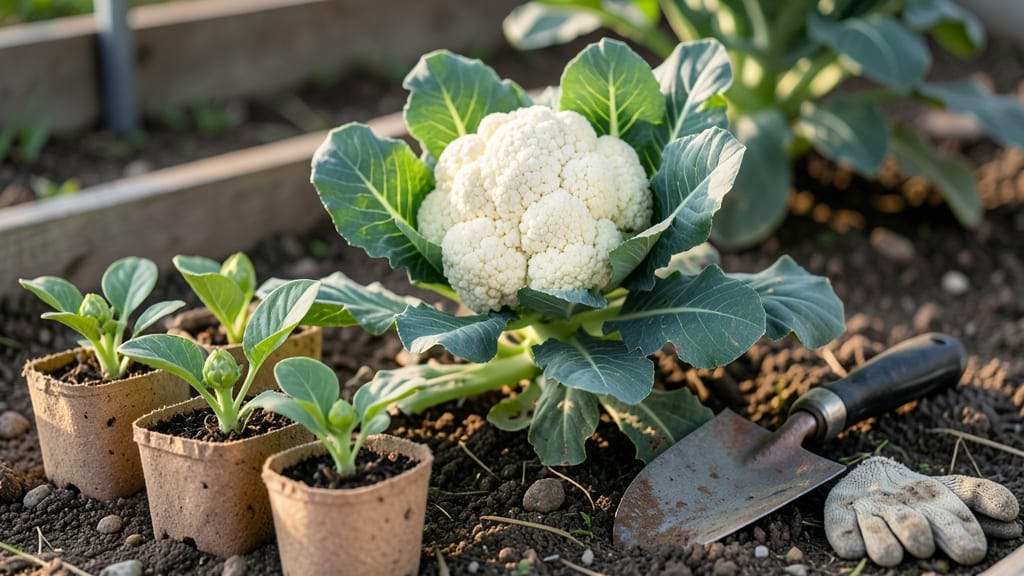
Timing your cauliflower planting in Pennsylvania can mean the difference between a bountiful harvest and a sad, wilted mess—especially when frost sneaks in unexpectedly. With USDA Zone 6a bringing its last frost around April 15, you’ve got a narrow window to get seeds in the ground just right.
Miss it, and you’ll either face stunted growth or bolted plants before they mature.
Here’s the secret: spring and fall are your best bets, but each season comes with its own challenges. Plant too early, and cold soil slows germination; too late, and summer’s heat sends your 🥬 bolting before it forms a head.
I’ll break down the exact dates that work for your zone, plus how to adjust for Pennsylvania’s unpredictable weather—so you can enjoy crisp, flavorful curds from July through November.
You’ll also discover how to extend your growing season with simple tricks like row covers, which can add 2-3 weeks of frost protection.
Plus, I’ll share the spacing secrets that keep your plants thriving without crowding—because even the best timing won’t help if your cauliflower is fighting for space (or nutrients).
Ready to stop guessing and start growing? Let’s dive into the perfect planting schedule for your PA garden, so you can harvest like a pro—no more wasted seeds or bolted disappointments.
Pennsylvania cauliflower planting calendar by hardiness zones (5a-7b)
Pennsylvania spans USDA zones 5a-7b, meaning your exact planting dates depend on where you live. In northern PA (zones 5a-6a), like Erie or Scranton, frost lingers until mid-May, while southern PA (zones 6b-7b), like Philadelphia or Lancaster, sees last frosts by early April.
This variance means your cauliflower planting window shifts by weeks!
For spring harvests, aim to transplant seedlings 4-6 weeks before your last frost date. In zone 5a, that’s mid-April; in zone 7b, early March. Fall harvests require planting 70-80 days before first frost—so late July in northern PA or early August in southern regions.
Miss these windows, and you’ll risk frost damage or bolting from summer heat.
Cauliflower thrives in cool weather (50-75°F), so avoid planting when daytime temps exceed 80°F. In hotter southern PA zones, opt for heat-tolerant varieties like ‘Cheddar’ or ‘Purple of Sicily’ to extend your growing season. These varieties handle brief heat spikes better than standard types.
Here’s your PA-specific planting timeline broken down by zone, including soil temperature cues and frost-free windows:
| Zone | Last Frost Date | Spring Planting Window | Fall Planting Window | Soil Temp for Direct Sow | Frost Risk |
|---|---|---|---|---|---|
| 5a (Erie, Scranton) | Mid-May | Mid-April (transplant) | Late July | 40°F (4°C) | High (late spring) |
| 6a (State College, Harrisburg) | Early May | Late March (transplant) | Early August | 45°F (7°C) | Moderate |
| 6b (Lancaster, Reading) | Late April | Early March (transplant) | Mid-August | 50°F (10°C) | Low |
| 7a (Philadelphia, Wilmington) | Early April | Late February (transplant) | Late July | 55°F (13°C) | Very Low |
| 7b (Pittsburgh suburbs) | Mid-April | Early March (transplant) | Early August | 50°F (10°C) | Low |
🌱 Pro Tip: Use row covers to extend spring planting by 2-3 weeks in cooler zones!
If you’re direct-sowing seeds (not transplanting), wait until soil temps hit 40-50°F—use a soil thermometer to check. In northern PA, this often means waiting until late April or May, while southern PA can start as early as March.
Seedlings take 7-10 days to sprout, so plan accordingly!
For fall harvests, focus on late July to early August plantings. This gives cauliflower 80-100 days to mature before first frost. In zone 5a, aim for July 20-August 5; in zone 7b, stretch to August 10.
Use shade cloth in late summer to protect plants from bolting if temps climb above 85°F.
Remember: Cauliflower hates heat. If your summer forecast shows consistent 90°F+ days, skip spring planting and focus on fall or cool-season varieties. Purple cauliflower (like ‘Graffiti’) often handles heat slightly better than white varieties.
To maximize yields, space plants 18-24 inches apart in rows 24-36 inches apart. This gives roots room to spread and reduces disease risk from crowded foliage. In container gardens, use 5-gallon pots with well-draining soil and plant
Spring vs. fall planting: which works best in PA’s climate?
Pennsylvania’s variable climate makes choosing between spring and fall planting a critical decision for your cauliflower. Spring offers longer daylight, but fall provides cooler temps that prevent bolting—both have their perks.
I’ve grown cauliflower in both seasons, and here’s what I’ve learned about balancing soil warmth, frost risk, and harvest windows in PA’s zones.
Spring planting gives you a July-August harvest window, but you’ll need to time it perfectly. Start seeds indoors 6-8 weeks before last frost (around March 1-15 for most of PA) or sow directly when soil hits 40°F (4°C).
The challenge? If you plant too early, cold soil delays germination, and late frosts can damage young seedlings. I’ve lost entire batches to black rot when temperatures dipped below 32°F (0°C) after transplanting.
Fall planting, on the other hand, lets you harvest October-November when summer heat has passed. Seedlings thrive in 60-70°F (15-21°C) soil, so aim for late July to early August transplants.
This season avoids bolting from heat stress, but you’ll need to protect young plants with row covers if early frosts threaten. In Zone 6a, I’ve successfully extended fall harvests by 3-4 weeks using lightweight frost blankets.
Spring vs. Fall Planting: Pros & Cons
Spring Planting
- Pros: Longer daylight, higher yields
- Cons: Frost risk, bolting in heat
Fall Planting
- Pros: Cooler temps, fewer pests
- Cons: Shorter season, early frost risk
One common mistake I see in PA gardens is planting spring cauliflower too close to summer’s peak. When temps hit 85°F (29°C)+, plants bolt faster than you can say "harvest." To prevent this, I always mulch heavily with straw to keep soil cool and water deeply in the morning.
For fall, I’ve had success with shade cloth during hot August afternoons to protect seedlings.
Don’t overlook soil preparation—cauliflower hates soggy roots. Amend your beds with compost and aged manure before planting, and maintain 6.5-7.0 pH.
I test my soil in early spring and fall; last year, my Zone 6a garden’s pH was too low, and my cauliflower heads turned yellow and bitter. A quick dose of lime fixed it for the next season.
For maximum yields, I recommend trying both seasons in your first year. Start with 4-6 plants in spring and another batch in fall. Use row covers for frost protection in both seasons, and always harvest before outer leaves yellow.
With the right timing, you’ll enjoy fresh cauliflower from July through November—no store-bought heads needed!