
Plants
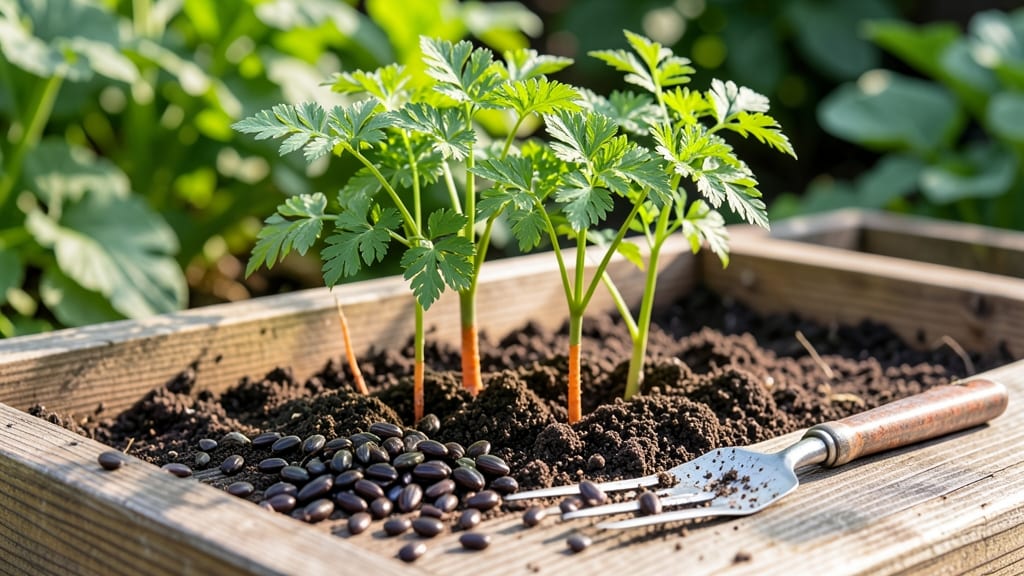
Timing your 🥕 carrot planting in San Diego isn't just about calendars—it's about beating the heat and avoiding bitter roots. With Zone 10a's frost-free climate, you've got two prime windows to plant, but missing them could mean stunted growth or wasted effort.
Fall planting between September and November gives your carrots the perfect 60-day head start before summer's intensity kicks in. Meanwhile, spring planting in February-March lets you harvest just as summer begins, avoiding the worst heat stress.
The key? Plant when soil temps stay between 55°F and 85°F—too hot, and you'll get tough, woody roots.
But here's the thing: San Diego's microclimates can throw off even the best-laid plans. Coastal areas stay cooler longer, while inland spots heat up faster. That's why I'm breaking down exactly which weeks work best—and how to adjust for your specific corner of the city.
Ready to grow sweet, crisp carrots all year? Let's dive into the precise planting schedule that actually works in San Diego, plus pro tips to extend your harvest season without the guesswork.
San Diego carrot planting calendar: exact weeks to avoid frost damage
San Diego’s frost-free climate (USDA Zone 10a) means you can grow carrots nearly year-round—but timing still matters for sweet, crisp roots. Unlike northern climates, no frost threat exists, but soil temperatures and seasonal heat dictate the best windows.
Planting too early in summer can cause bolting (premature flowering), while late-summer planting may lead to woody roots before harvest.
For optimal germination, aim for soil temps between 55°F and 85°F. In San Diego, this aligns with two prime planting periods: late summer/fall (September–November) and early spring (February–March). Coastal areas stay cooler longer, while inland zones may need earlier starts to avoid summer heat stress.
Here’s your San Diego carrot planting timeline, broken into exact weeks for each season, including soil prep tips and harvest windows:
| Planting Window | Soil Temp (°F) | Action | Harvest Time |
|---|---|---|---|
| Late August–Early September | 70–85°F | Direct sow for fall harvest; use shade cloth if temps exceed 85°F. | November–January |
| Mid-September–October | 65–75°F | Ideal cool-season planting; avoid bolting with consistent moisture. | December–March |
| February–Early March | 60–70°F | Spring start for summer harvest; mulch to retain soil moisture. | May–July |
| Late March–April | 70–80°F | Risk of bolting increases; opt for short-day varieties like 'Paris Market'. | June–August |
🌱 Pro Tip: Test soil temps with a soil thermometer—carrots need consistent warmth to germinate.
San Diego’s microclimates can shift planting times by 2–4 weeks. Coastal areas (e.g., La Jolla) stay cooler, while inland zones (e.g., Ramona) heat up faster. For example, inland plantings should start 2 weeks earlier than coastal areas to avoid summer heat stress.
Use succession planting every 2–3 weeks in fall/spring to stagger harvests.
Soil preparation is critical—San Diego’s sandy soil drains quickly, leading to forked carrots if not amended. Mix in 2–3 inches of compost and 1 inch of aged manure before planting.
Loosen soil to 12 inches deep to prevent root restriction. Avoid planting where carrots or related crops (parsley, dill) grew in the past 2 years to reduce disease risk.
Watch for heat stress signs like yellowing leaves or stunted growth during summer plantings. If temps exceed 90°F, provide 30–50% shade cloth and water deeply in the morning to keep roots cool. Drip irrigation is ideal—it delivers consistent moisture without wetting foliage, reducing fungal risks.
Harvest timing depends on variety, but most San Diego-grown carrots are ready in 70–90 days. Baby carrots (e.g., 'Paris Market') can be harvested in 50 days, while standard varieties (e.g., 'Danvers') take closer to 90 days.
Pull carrots when roots reach 1–3 inches in diameter—waiting too long turns them woody.
For year-round success, pair fall and spring plantings with cool-season varieties like 'Chantenay' (great for storage) and heat-tolerant types like 'Solar Yellow' for summer. Store harvested carrots in sandy soil or damp sand in a cool, dark place (50–60°F) to extend freshness for 2–3 months
Missed the ideal window? Don’t worry—San Diego’s climate allows for flexible adjustments. Even a late-summer planting (June) can work if you choose fast-maturing varieties and provide adequate shade. The key is monitoring soil temps and adapting watering to avoid stress.
How to extend your carrot growing season in San Diego’s climate
San Diego’s frost-free winters and long growing season let you grow carrots year-round—but only if you use the right strategies. Most gardeners focus on fall and spring planting, but with a few adjustments, you can enjoy fresh 🥕 carrots in every season.
The key is understanding how to beat heat stress, extend cool weather, and prepare your soil for different microclimates.
Coastal areas like La Jolla stay cooler longer, while inland spots like Escondido heat up faster. That’s why I’ve tested these methods to maximize your harvest: succession planting, shade cloth, and soil prep tailored to your specific zone.
Let’s break down how to keep your carrots thriving all year.
Plant new batches every 3 weeks from September to March to ensure a continuous harvest. This works especially well for short-season varieties like 'Paris Market' (50 days) or 'Little Finger' (60 days).
When temps hit 85°F+, cover seedlings with 30-50% shade cloth to prevent bolting and woody roots. Remove cloth by late afternoon to maintain airflow.
For summer planting (June-July), choose 'Danvers Half Long' or 'Nantes'—they handle 90°F soil temps better than standard types. Harvest within 60 days to avoid bitterness.
In December-January, amend soil with compost and sand to improve drainage. Test pH (ideal: 6.0-7.0) and add lime if needed. Mulch with straw to retain moisture.
For urban balconies, use deep containers (12"+) filled with loamy mix. Plant 'Baby Finger' or 'Rainbow' varieties—they mature faster and thrive in limited space.
Use a soil thermometer—carrots germinate best at 55-85°F. If soil is too hot (>90°F), soak the bed with water before planting to cool it down.
Don’t forget: succession planting is your best friend in San Diego. By staggering your 🥕 carrot crops every 3 weeks, you’ll have a steady supply from late fall to early summer.
And if you’re in a coastal area, you can even squeeze in a winter harvest by planting in December—just protect seedlings with lightweight row covers if frost warnings pop up (rare, but possible in Zone 10a).
Pro tip: Keep a planting journal to track which varieties thrive in your microclimate. For example, 'Purple Haze' carrots do surprisingly well in inland heat if planted in early spring. Adjust your schedule based on what works—and don’t be afraid to experiment!
With these strategies, you’ll avoid the bitter, woody roots that come from poor timing. Instead, enjoy crisp, sweet carrots straight from your San Diego garden—no matter the season.