
Plants
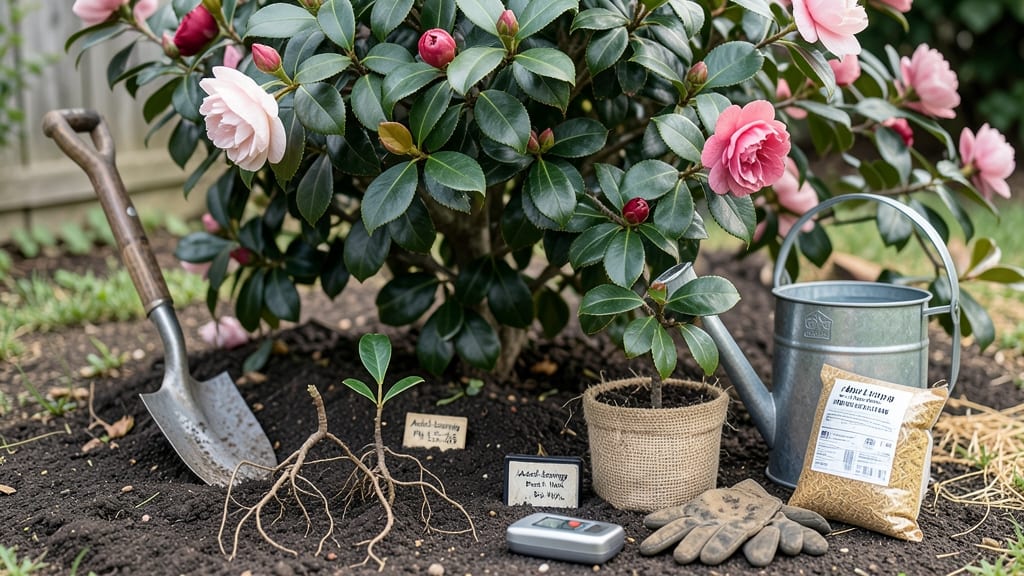
Planting camellias in North Carolina at the wrong time can mean the difference between a stunning 🌸 display and a struggling shrub that never quite thrives.
With NC’s unique blend of humid summers and mild winters, timing isn’t just about seasons—it’s about understanding chill hours, soil prep, and heat tolerance to give your camellias the best shot at success.
If you’ve ever wondered why some gardeners in zones 7a-8b swear by fall planting while others prefer early spring, the answer lies in how these plants adapt to NC’s climate.
The key is planting when the soil is cool but not frozen, and the air is crisp enough to help young roots establish before summer’s heat arrives.
In this guide, I’ll break down the exact months to plant in your specific NC region, whether you’re in the Piedmont or coastal areas, and share pro tips for transplanting mature plants or starting from seeds.
You’ll learn how to check your local chill hours, prepare soil for acid-loving camellias, and even pick heat-tolerant varieties that won’t wilt in NC’s summer swelter.
Ready to transform your garden into a year-round camellia paraday? Let’s dive into the secrets that will have your 🌸 blooming beautifully from late fall through spring—no matter where you are in North Carolina.
Best planting months for camellias in NC by chill-hour zones
North Carolina’s diverse climate zones mean your camellia planting timeline depends on where you live. Most of the state falls within USDA Zones 7b–9a, where chill hours (temperatures between 32°F–45°F) range from 500–1,000 hours.
Planting at the right time ensures your camellias establish roots before summer heat or winter cold stress sets in.
For coastal NC (Zone 8a–9a), where winters are milder, late fall to early winter planting works best. Inland areas like the Piedmont (Zone 7b–8a) need earlier fall planting to avoid late-season heat spikes. Always aim to plant 6–8 weeks before your first frost—typically October–November for most regions.
Here’s how to check your local chill hours: Use the USDA Plant Hardiness Zone Map or your county’s Cooperative Extension Service data. For example, Raleigh (Zone 7b) averages 700 chill hours, while Wilmington (Zone 8a) sees only 500–600 hours. This affects which camellia varieties thrive in your area.
Soil temperature also matters—ideal planting occurs when soil temps drop to 60°F–65°F. Use a soil thermometer to monitor. If you’re in a warmer microclimate (like a sheltered garden spot), you may extend planting into early December.
Spring planting is riskier in NC due to late frosts (often hitting mid-April). If you must plant in spring, wait until after your last frost date and choose early spring varieties like Camellia sasanqua, which bloom in fall and tolerate heat better.
| USDA Zone | Chill Hours | Best Planting Window | Soil Temp Goal | Key Tip |
|---|---|---|---|---|
| 7b (Piedmont) | 700–800 hrs | October–November | 60°F–65°F | Avoid late fall heat spikes |
| 8a (Coastal) | 500–600 hrs | November–December | 60°F–65°F | Milder winters allow later planting |
| 8b (Mountains) | 800–1,000 hrs | September–October | 55°F–60°F | Cooler temps speed root growth |
| Spring Planting (All Zones) | N/A | March–April (after frost) | 50°F+ | Use shade cloth for young plants |
If you’re planting bare-root camellias, do it as soon as they arrive—these plants establish roots faster in cool soil. Container-grown camellias can handle slightly warmer soil but still benefit from fall planting. Pro tip: Soak container roots for 10–15 minutes before planting to reduce transplant shock.
For mature camellias (3+ years old), timing matters less, but fall is still ideal. These plants need 6–12 inches of space between their root ball and the planting hole edge. Amend the soil with peat moss or pine fines to lower pH—camellias thrive in acidic soil (pH 5.5–6.5).
One common mistake in NC is planting too late in fall, leaving young camellias vulnerable to winter desiccation (dry winds). Mulch heavily with pine straw or wood chips to retain moisture and regulate soil temps. In Zone 7b, add a burlap windbreak if your garden faces harsh winter winds.
Remember: Camellias bloom on old wood, meaning this year’s flowers form on last year’s growth. Planting at the right time ensures next year’s showstopping blooms—whether it’s fall-blooming sasanquas or winter japonicas. With the right timing, your NC garden will be a year-round camellia paradise.
Critical pre-planting steps to ensure camellia success in NC
Before you dig that first hole for your new camellia, NC’s unique climate demands extra prep work. The difference between a thriving 🌸 and a struggling shrub often comes down to these foundational steps.
Let’s start with the most critical: soil preparation, because camellias are acid-loving divas that refuse to grow in alkaline soil.
Test your soil’s pH level—ideal range is 5.5-6.5. If your soil tests higher, amend it with peat moss or sulfur 2-3 months before planting. I’ve seen gardeners skip this step and end up with yellowing leaves and stunted growth. Don’t make that mistake!
Next, focus on mulching. Apply a 3-inch layer of pine bark mulch or pine straw around your planting site. This helps retain moisture (critical during NC’s summer heat waves) while keeping roots cool. I recommend applying mulch right after planting and replenishing it annually in late winter.
For young camellias, especially those planted in late fall, consider temporary shade protection. Use shade cloth (30-50% coverage) during the hottest summer months to prevent leaf scorch.
This is particularly important in zone 8a where afternoon sun can be brutal. I’ve had clients lose entire plants because they skipped this step!
Finally, plan for deer and wildlife protection. NC’s forests mean deer and rabbits love snacking on tender new camellia growth. Install deer-resistant fencing (at least 6 feet tall) or use repellent sprays like rotten egg solution around your plants.
Trust me, the last thing you want is to lose your $50 shrub to a hungry deer!
With these prep steps mastered, your camellias will have the best chance to thrive in NC’s challenging climate. The key is patience—camellias establish slowly but reward you with years of stunning blooms if you give them proper care from day one. 🌿