
Plants
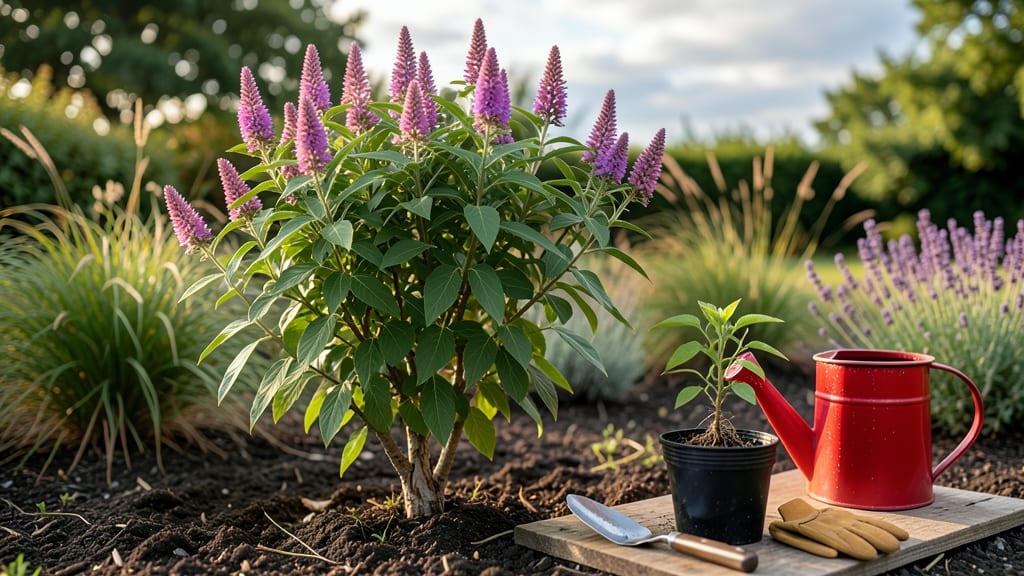
Timing your Butterfly Bush 🦋 planting in Zone 7 could mean the difference between a lush, blooming shrub and one that struggles to take root. The right window—whether early spring or fall—helps avoid late frosts and gives your plant the best shot at thriving.
I’ve seen firsthand how a few weeks can change everything when it comes to planting. In Zone 7, where last frosts linger around mid-April, planting too early can leave your Butterfly Bush vulnerable. But get it right, and you’ll enjoy vibrant blooms and a garden buzzing with pollinators by summer.
This guide breaks down the exact frost-free timeline for Zone 7, so you know whether to dig in by March or wait until September. We’ll also cover soil prep, spacing, and care tips to ensure your Butterfly Bush grows fast and strong.
Ready to transform your yard into a pollinator paradise? Let’s get started with the perfect planting schedule for your Zone 7 Butterfly Bush.

Best planting months for Butterfly Bush in Zone 7: exact timing for success
Timing is everything when planting butterfly bushes in Zone 7. The key is avoiding late frosts while giving roots time to establish before summer heat. In Zone 7, your last frost date typically falls around April 15, and your first frost arrives around October 15.
This leaves you with two ideal planting windows: early spring (March-April) and early fall (September-October).
Spring planting gives your bush a full growing season to establish roots before winter, while fall planting allows roots to settle in before summer’s intense heat. Both strategies work, but each comes with its own considerations.
For example, planting in late spring (May-June) risks heat stress, while planting in late fall (November) may leave roots vulnerable to winter cold. Let’s break down the best options for your Zone 7 garden.
Butterfly bushes thrive when planted in soil temperatures between 50°F and 70°F. In Zone 7, this usually means waiting until mid-March or later for spring planting, or choosing early September for fall planting. Use a soil thermometer to check—if the soil is still below 50°F, wait a few more weeks. Cold soil can stunt root growth and delay flowering.
Another critical factor is your local microclimate. Urban areas often experience heat islands, where temperatures run warmer than rural zones. If you’re in a hotter microclimate, prioritize fall planting to avoid summer stress. Conversely, cooler microclimates near water bodies may benefit from spring planting to extend the growing season.
Now, let’s look at the exact planting windows and what each entails:
| Planting Window | Zone 7 Timeline | Soil Temp | Key Considerations |
|---|---|---|---|
| Early Spring | Mid-March to mid-April | 50°F–60°F | Avoid late frosts; water deeply after planting. |
| Late Spring | May–June | 60°F–70°F | Risk of heat stress; mulch heavily. |
| Early Fall | September–early October | 55°F–65°F | Ideal for root establishment before winter. |
| Late Fall | November | Below 50°F | Avoid; roots may not establish before freeze. |
If you’re planting in spring, aim for March or early April once the soil warms up. This gives your butterfly bush enough time to establish roots before summer’s peak heat. Water deeply after planting and mulch to retain moisture.
For fall planting, late September to early October is ideal. This timing ensures roots have time to grow before winter dormancy sets in.
One common mistake is planting too early in spring. If you plant in February, your butterfly bush may not survive a late frost. Always check your local frost dates and monitor soil temperatures.
Another pitfall is planting too late in fall. If you wait until November, the roots may not have enough time to establish before the ground freezes, leading to winter damage.
For container gardening in Zone 7, timing is equally critical. Plant your butterfly bush in containers in late spring (May) or early fall (September). Containers heat up faster than ground soil, so avoid planting in summer months unless you’re in a shaded area.
Use lightweight potting mix and ensure containers have drainage holes to prevent root rot.
Pro tip: If you’re unsure about your local frost dates, consult your Zone 7 planting calendar or use a frost date calculator. Many local extension offices provide free resources to help you plan. For example, the University of Georgia Extension offers detailed planting guides for Zone 7 gardeners.
With the right timing, your butterfly bush will reward you with vibrant blooms and a flurry of pollinators all season long.
Finally, consider your butterfly bush’s variety. Some varieties, like ‘Lo & Behold’ or ‘Black Knight’, are more compact and may tolerate slightly later planting. Larger varieties, such as ‘Royal Violet’, need more time to establish and should be planted in the earliest recommended window.
Best planting months for Butterfly Bush in Zone 7: exact timing for success
In Zone 7, the difference between a thriving Butterfly Bush 🦋 and one that struggles often comes down to timing. The ideal window is narrow—plant too early, and frost can damage young roots; too late, and your plant may not establish before winter.
For Zone 7, I recommend focusing on two key periods: early spring and early fall.
Spring planting should happen after your last frost date, typically around mid-April in Zone 7. This gives your Butterfly Bush enough time to root before summer heat arrives.
Fall planting, on the other hand, should wrap up by early October to allow roots to establish before the first frost hits in mid-October.
Here’s the frost-free timeline you need to know: In Zone 7, the average last frost is April 15, and the first frost arrives around October 15. Planting outside these dates can stress your Butterfly Bush, especially if you’re dealing with microclimates in your area.
For example, if you’re in a cooler pocket of Zone 7, like the Appalachians, you might need to wait until late April for spring planting.
Conversely, in warmer areas like parts of Virginia or North Carolina, you could start as early as March—just monitor soil temperatures to ensure they’re above 50°F (10°C).
| Planting Window | Zone 7 Timeline | Soil Temp | Key Consideration |
|---|---|---|---|
| Early Spring | Mid-April to early May | 50°F+ (10°C+) | Avoid late frosts; water deeply |
| Early Fall | Early September to early October | 60°F+ (15°C+) | Roots need 6-8 weeks to establish |
| Avoid | Late May to August | N/A | Extreme heat stresses young plants |
One common mistake I see is planting Butterfly Bushes in late spring or summer. The intense heat of June and July can shock young plants, especially if they’re not yet established.
If you miss the spring window, don’t despair—fall planting is just as effective, provided you give your plant enough time to root before winter.
Pro tip: If you’re unsure about your local frost dates, check with your local cooperative extension office or use a frost calendar for your specific area. In Zone 7, even a 1-2 week difference can impact your Butterfly Bush’s success.
For example, planting in late April might be risky if frost lingers, but by early May, the coast is usually clear.
Once you’ve nailed the timing, the next step is preparing your soil and location—because even the best planting window won’t help if your Butterfly Bush isn’t in the right spot. Stay tuned for my next section on soil prep, sunlight needs, and spacing tips tailored for Zone 7’s climate.