
Plants
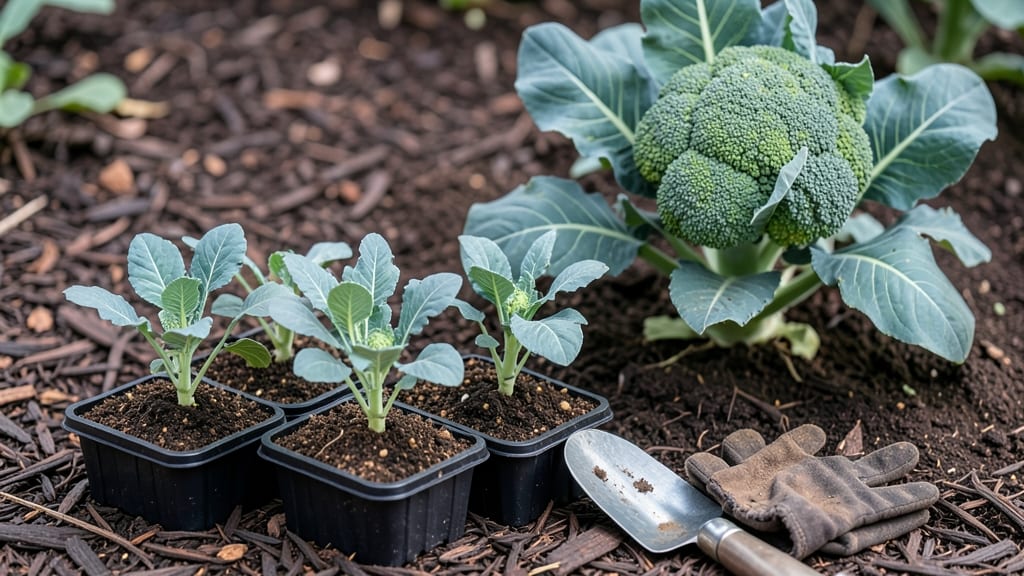
Timing your 🥦 broccoli planting in New Jersey can mean the difference between a bountiful harvest and wasted effort. If you plant too early, frost will nip your tender seedlings before they even sprout, while planting too late might leave you scrambling for fall harvests before the first chill arrives.
New Jersey’s 6a-7b climate zones create unique challenges—coastal areas warm faster than inland spots, and microclimates can shift planting windows by weeks. The key is understanding your zone’s last frost date (usually mid-April) and working backward to choose the perfect window for either spring or fall planting.
In this guide, I’ll break down the exact months to plant for peak harvests, how to extend your growing season with cold-hardy varieties, and common NJ mistakes that kill broccoli yields.
Whether you’re a first-time gardener or a seasoned green thumb, these tips will help you grow crisp, flavorful heads all season long.
Ready to transform your garden? Let’s dive into the frost-free deadlines and strategies that work specifically for New Jersey gardeners—so you can enjoy homegrown broccoli from May through November.
NJ planting zones & broccoli frost-free deadlines by month
New Jersey’s USDA zones 6a-7b create microclimates where broccoli thrives in both spring and fall. The key? Planting 4-6 weeks before your last frost for spring or 90-120 days before first frost for fall. In most of NJ, that means March-April for spring and August-September for fall harvests.
Soil temperature is critical—broccoli seeds need 40°F+ to germinate, while transplants prefer 50°F+. Use a soil thermometer to confirm readiness. Coastal areas (like Cape May) often warm earlier than inland zones (like Morris County), so adjust dates accordingly.
Here’s your NJ-specific planting timeline by region, including frost-free deadlines and ideal soil temps for germination and transplanting:
| Region | USDA Zone | Last Frost (Avg.) | First Frost (Avg.) | Spring Planting Window | Fall Planting Window |
|---|---|---|---|---|---|
| Northern NJ (Bergen, Passaic) | 6a | April 15–20 | October 10–15 | March 15–April 5 | August 15–September 5 |
| Central NJ (Trenton, NJ Turnpike) | 6b-7a | April 1–10 | October 15–20 | March 1–April 10 | August 1–September 10 |
| Southern NJ (Atlantic City, Cape May) | 7b | March 25–April 5 | October 25–November 5 | February 20–March 20 | July 20–August 20 |
🌱 Soil Temp for Germination: 40°F+
🌱 Soil Temp for Transplants: 50°F+
For spring planting, aim to harvest before summer heat sets in (June temperatures above 85°F stress broccoli). In fall, prioritize varieties that mature before first frost, typically by October-November in most of NJ.
Pro tip: Check the NJ State Climatologist’s frost data annually—cooler springs (like 2020) can delay planting by 2-3 weeks. Urban areas like Jersey City may experience 2-4°F warmer microclimates than rural zones, so adjust dates accordingly.
Always harden off transplants for 7–10 days before outdoor planting to prevent shock. Use row covers for early spring starts to protect against late frosts (common in April), extending your harvest window by 2-3 weeks
For container gardening in NJ, plant 4-6 weeks earlier than ground planting—pots warm faster and dry out quicker. Use self-watering containers to maintain consistent moisture, critical for broccoli’s high water needs. Remember: Broccoli is a cool-season crop, so avoid planting during peak summer heat (July-August). Instead, focus on spring and fall windows for the best flavor and yield in NJ’s climate.
NJ planting zones & broccoli frost-free deadlines by month
New Jersey’s USDA zones 6a-7b create distinct planting windows for broccoli, with coastal areas like Cape May warming 2-3 weeks earlier than inland zones near the Delaware River. The last frost date typically falls between mid-April (north) and early April (south), while the first frost arrives around mid-October.
To maximize yields, aim for either early spring (March-April) or late summer (August-September) plantings.
Broccoli thrives when soil temperatures reach 40°F (4°C) for germination, but seedlings struggle in soil above 80°F (27°C). This means spring planting should start 4-6 weeks before last frost, while fall plantings need 90-120 days before your first frost date.
Let’s break down the exact months by zone to avoid common NJ mistakes like bolting from heat or frost damage.
🌱 NJ Broccoli Planting Timeline by Zone
| Zone | Spring Planting Window | Fall Planting Window | Last Frost Date | First Frost Date |
|---|---|---|---|---|
| 6a (North NJ) | Late March - Early April | Late August - Early September | Mid-April | Mid-October |
| 6b (Central NJ) | Early March - Mid-April | Early August - Mid-September | Early April | Late September |
| 7a (South NJ) | Mid-February - Early April | Mid-July - Early September | Late March | Early October |
| 7b (Coastal NJ) | Late February - Early April | Late July - Mid-September | Early April | Late September |
💡 Pro Tip: Use row covers to extend spring planting by 2-3 weeks in colder zones.
For spring plantings, start seeds indoors 6-8 weeks before last frost or sow directly into well-draining soil once temperatures stabilize. In Zone 6a, this means late March for direct sowing, while Zone 7b gardeners can begin as early as mid-February.
Always test soil pH (aim for 6.0-7.0) and amend with compost to prevent clubroot disease, a common NJ issue.
Fall plantings require earlier varieties like 'Waltham 29' (matures in 50-60 days) to avoid bolting. In Zone 6a, plant by August 15th for a fall harvest before frost, while Zone 7b can push plantings to September 1st.
Use lightweight row covers to protect seedlings from unexpected early October chills, which can stunt growth.
Microclimates play a huge role in NJ. Urban areas like Newark often experience heat islands, while coastal regions benefit from moderating ocean breezes.
Monitor local weather stations (like NJ State Climate Office) for 10-day forecasts—this helps adjust planting dates by 1-2 weeks if unusual warmth or cold is predicted. For example, a warm February might allow Zone 6a gardeners to plant 2 weeks early.
Remember: Broccoli hates heat. If you miss the spring window, focus on fall plantings and avoid summer sowing—soil above 80°F triggers bolting (premature flowering). Instead, prioritize shade cloth or succession planting in partial shade during peak summer months to keep your garden productive.