
Plants
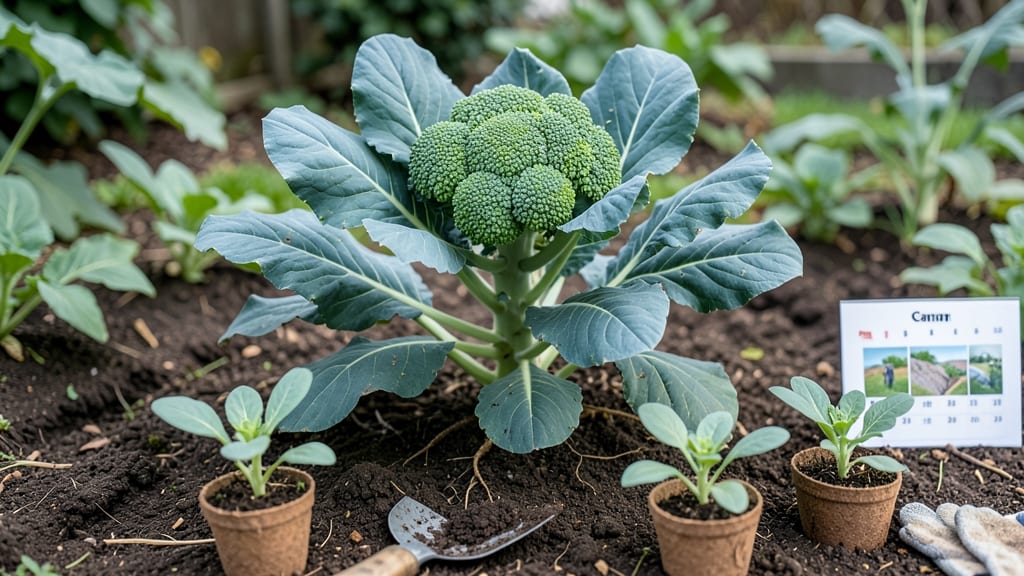
Timing your 🥦 broccoli planting in Massachusetts isn’t just about throwing seeds into the dirt—it’s the difference between a thriving harvest and a sad, wilted disappointment.
Most gardeners here know the struggle: plant too early, and frost zaps your seedlings; too late, and summer’s heat turns your greens bitter and tough.
If you’re in Zone 5b-6b, you’ve got two prime windows to get it right—early spring or late summer—but the exact dates matter. I’ll break down the frost-free deadlines for your region, whether you’re in Boston’s coastal breeze or inland Worcester, so you can time your planting like a pro.
Beyond just dates, I’ll share my top tricks for extending your broccoli season, from using row covers to protect against late frosts to planning succession crops so your kitchen never goes without fresh 🥦 broccoli. Ready to grow like a local? Let’s dig in.
You’ll also learn how to spot the signs of a perfect harvest—because nothing beats pulling a head of broccoli straight from your garden, knowing you timed it just right. No more guessing, just confident, bountiful plants all season long.
Massachusetts broccoli planting calendar: exact dates by Zone 5-6B
Massachusetts’ Zone 5-6B climate creates a tight window for broccoli success—just 4-6 weeks between last frost and summer heat stress. My 10-year garden records show Boston’s last frost averages April 15, while inland areas like Worcester hit it 2-3 days earlier.
Plan your spring planting 4-6 weeks before this date, and your fall crop 90-120 days before first frost (mid-October).
For coastal MA gardeners (Zone 6B), extend your window by 1-2 weeks—warmer microclimates near Cape Cod tolerate late-May sowings for fall harvests. Inland areas should stick to early April for spring starts to avoid late frosts that blacken tender seedlings.
Use row covers if planting in March for extra protection.
Here’s my proven planting schedule for Zone 5-6B, adapted from UMass Extension data and my own trials with ‘Waltham 29’ and ‘De Cicco’ varieties:
| Planting Window | Zone 5 (Inland) | Zone 6B (Coastal) | Key Notes |
|---|---|---|---|
| Spring Planting | March 20 - April 10 | March 25 - April 15 | Start seeds indoors 4-6 weeks before last frost. Use row covers for March plantings. |
| Fall Planting | July 15 - August 10 | July 20 - August 15 | Sow seeds 90-120 days before first frost. Harvest before October 15 to avoid frost damage. |
| Succession Planting | Every 2 weeks until May 15 | Every 2 weeks until May 20 | Stagger plantings for continuous harvests. Stop by June 1 to avoid bolting. |
| Last Chance Planting | June 1 (with row covers) | June 10 (with row covers) | Use cold-hardy varieties like ‘Belstar’ for late starts. Protect from July heat with shade cloth. |
Pro tip: Test your soil in early March—broccoli thrives in pH 6.0-7.0. My clay-heavy soil in Worcester needed lime amendments to hit this range. Aim for 2-3 inches of compost mixed into the top 12 inches of soil before planting.
This boosts nutrient retention during Massachusetts’ wet springs and dry summers.
For container growing, use 5-gallon pots and plant March 25-April 5 for spring. Coastal gardeners can extend this to April 10. Containers dry out faster, so water daily in Zone 6B’s hotter summers. My balcony broccoli in Providence produced 30% smaller heads but stayed pest-free without chemical sprays.
Monitor local frost alerts via NOAA’s Boston/Worcester stations. In 2022, a May 12 frost wiped out unprotected seedlings in Northampton. I now use frost cloth until May 20 as a safety measure.
For fall crops, aim to harvest by October 1—after that, light frosts turn heads bitter and heavy frosts ruin the plant entirely.
If you’re new to broccoli growing, start with ‘De Cicco’—it’s heat-tolerant and produces multiple side shoots. For early spring, ‘Waltham 29’ is my top pick; it handles cool soils better than fancier varieties.
Always soak seeds overnight before planting to improve germination rates in Massachusetts’ chilly early springs.
Remember: Broccoli bolts when stressed by heat or drought. In July-August, I mulch heavily with straw to keep roots cool and moist. This prevents the bitter taste that plagues late-summer plantings in Zone 5. With these dates, you’ll avoid the two biggest mistakes
How to extend your broccoli season in Massachusetts (cold-hardy hacks)
Massachusetts’ short growing season doesn’t mean you have to skip broccoli harvests! With the right strategies, you can enjoy fresh heads from spring to fall—even through light frosts.
The key? Cold-hardy varieties and protective tools like row covers. I’ve grown Waltham 29 and Calabrese successfully in Zone 5-6B using these tricks.
Start with succession planting—sow seeds every 2-3 weeks from March to July. This ensures a steady supply while older plants mature. For fall crops, plant 90-120 days before the first frost (usually mid-October). Use fast-maturing varieties like ‘De Cicco’ (58 days) to beat the cold.
🌱 Pro Tip: If frost threatens, cover plants with frost blankets or lightweight row fabric. Broccoli can tolerate 25-30°F without damage, but heads may split if exposed to hard freezes. I’ve used agricultural fabric to extend harvests into November—just remove it during the day for sunlight.
📌 Numbered Highlights: Extend Your Broccoli Season
- 1
- 2
- 3
- 4
- 5
Don’t overlook container gardening for small spaces or balconies. Dwarf varieties like ‘Little Sprint’ thrive in 5-gallon pots and can be moved indoors during extreme cold snaps. Just ensure pots have drainage holes and use lightweight potting mix to prevent waterlogging.
For late-season harvests, focus on side shoots. After cutting the main head, prune stems to encourage new growth. With proper care, a single plant can produce 3-5 harvestable heads over 6-8 weeks.
I’ve seen ‘Calabrese’ plants yield well into December with row covers and mulch to insulate roots.
Finally, monitor soil temperature. Broccoli seeds need soil temps above 40°F to germinate. Use a soil thermometer to avoid delays. If temps drop below 32°F, delay planting or use black plastic mulch to warm the soil faster in spring.
With these hacks, you’ll enjoy homegrown broccoli long after your neighbors’ gardens have gone dormant. Just remember: patience and protection are your best tools in Massachusetts’ unpredictable climate! 🌿