
Plants
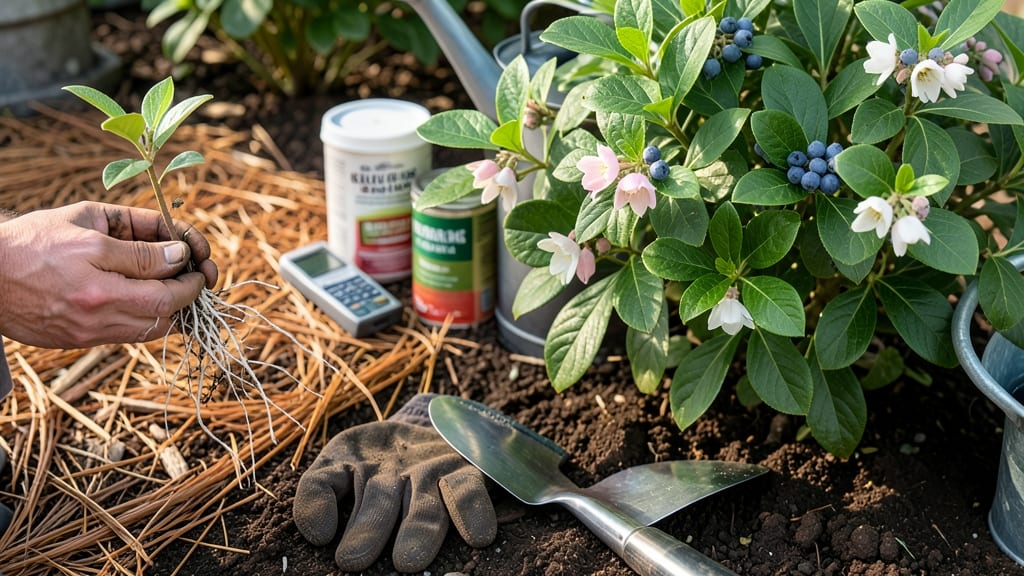
If you're dreaming of a backyard full of juicy 🫐 blueberries but struggling with Mississippi’s tricky climate, planting blueberries at the wrong time could mean missed harvests—or worse, dead plants before they even take root.
The key to success lies in understanding your specific zone—whether you're in 7b or 9a—and working with Mississippi’s unpredictable frost dates. Too early, and your young plants may bake in unseasonable heat; too late, and they’ll miss the critical chill hours they need to thrive.
I’ll walk you through the exact late winter to early spring window (February–March) that works best, plus how to prep your soil for those acid-loving bushes. Whether you’re planting bare-root or container-grown, these tips will set you up for a bountiful harvest from June to August.
Ready to turn your Mississippi garden into a blueberry paradise? Let’s get started with the timing that actually works for our state’s unique conditions.
Optimal planting months for blueberries in Mississippi based on chill hours
Mississippi’s USDA zones 7b-9a create unique challenges for blueberry growers. Unlike northern states, we don’t get harsh winters, but our mild winters mean blueberries still need chill hours (300-900 hours below 45°F) to flower properly.
Southern Mississippi (zone 8a) needs 500-600 chill hours, while northern areas (zone 7b) can handle up to 900 chill hours.
Most Mississippi gardeners should aim for late winter to early spring planting (February-March) when soil temperatures rise above 40°F. This timing lets roots establish before summer heat arrives. Fall planting is possible in northern Mississippi (zone 7b) but risky in southern areas where freeze risks persist.
To check your chill hours, use the USDA Plant Hardiness Zone Map and local weather data from Mississippi State University Extension. For example, Jackson (zone 8a) averages 550 chill hours, while Tupelo (zone 7b) gets 800+ hours.
Choose varieties like ‘Climax’ (500 hours) for southern zones or ‘Duke’ (900 hours) for northern areas.
| Mississippi Region | USDA Zone | Chill Hours Needed | Best Planting Window | Recommended Varieties |
|---|---|---|---|---|
| Northern MS (Tupelo, Oxford) | 7b | 800-900 | Feb 15 - Mar 15 | Duke, Tifblue, Premier |
| Central MS (Jackson, Starkville) | 8a | 500-600 | Mar 1 - Apr 15 | Climax, Centurion, Emerald |
| Southern MS (Biloxi, Gulfport) | 8b-9a | 300-400 | Mar 15 - Apr 30 | Southern Highbush, O’Neal |
For bare-root planting, soak roots in water for 2-4 hours before transplanting.
Dig holes twice as wide as the root ball and mix peat moss or sulfur into native soil to lower pH. Container-grown bushes can be planted year-round but thrive best in cool spring months when roots establish faster.
Mississippi’s last frost dates vary by region—February 15 in northern areas to March 15 in the south. Use frost cloth if planting early to protect young bushes from unexpected cold snaps. Monitor local forecasts and avoid planting after April 15, as summer heat stress increases.
Pro tip: Test soil pH before planting—blueberries need 4.5-5.5 pH. Mississippi’s native soil is often alkaline (pH 6.5+), so amend with elemental sulfur (apply 2-4 lbs per 100 sq ft) 2-3 months before planting. Re-test soil after amending to confirm acidity levels.
Remember, container growing extends your planting window. Use 15-20 gallon pots with acidic potting mix and plant anytime soil isn’t frozen. Just ensure containers get full sun and proper drainage to mimic in-ground conditions.
Mississippi’s humid summers mean blueberries need consistent moisture after planting. Mulch with pine straw (acidic) to retain moisture and suppress weeds. Avoid fresh mulch that can draw nitrogen from soil.
Timing is everything—plant too early, and your bushes may bolt to flower before establishing roots. Plant too late, and they’ll miss critical dormancy periods. Aim for that February-March sweet spot when soil warms but summer heat hasn’t arrived.
Optimal planting months for blueberries in Mississippi based on chill hours
Mississippi’s USDA Zones 7b-9a create unique challenges for blueberry growers. Unlike northern climates, our mild winters mean fewer chill hours—typically 300–800 hours below 45°F—which are critical for dormancy and fruit set. Choose varieties like ‘Climax’ or ‘Premier’, bred for lower chill requirements (200–400 hours).
For northern Mississippi (Zones 7b-8a), aim for late winter to early spring planting (February–March) when soil temperatures rise above 40°F. Southern regions (Zone 9a) can extend planting into early April, but avoid late spring—heat stress weakens young roots.
Fall planting is riskier in Mississippi due to unpredictable freezes. If you plant in October–November, protect bushes with mulch (4–6 inches) and consider container growing for flexibility. Bare-root plants establish faster than container-grown, but both need well-draining, acidic soil (pH 4.5–5.5).
| Zone | Chill Hours Needed | Best Planting Window | Recommended Varieties |
|---|---|---|---|
| 7b–8a (North MS) | 400–800 hrs | Feb–March | ‘Duke,’ ‘Tifblue’ |
| 8b–9a (South MS) | 200–400 hrs | March–Early April | ‘Climax,’ ‘Premier’ |
| All Zones (Fall) | N/A (Dormancy Risk) | Oct–Nov (with protection) | ‘Southland’ (heat-tolerant) |
Use the USDA Plant Hardiness Zone Map to pinpoint your exact chill hours. For example, Jackson (Zone 8a) averages 600 chill hours, while Biloxi (Zone 9a) gets only 300–400 hours.
Match your variety to these numbers—‘Tifblue’ thrives in Zone 8a but may struggle in Zone 9a without extra care.
Test your soil’s pH and drainage before planting. Mississippi’s native soil is often alkaline and clay-heavy, which blueberries hate. Amend with peat moss or sulfur to lower pH, and raise beds if drainage is poor. A soil test kit ($15–$20) from your local extension office is worth the investment.
Once planted, mulch heavily (pine straw or wood chips) to retain moisture and regulate soil temperature. In Zone 9a, shade cloth (30–50%) can protect young bushes from midday sun during summer. With the right timing and prep, your blueberries will reward you with harvests from June to August!