
Plants
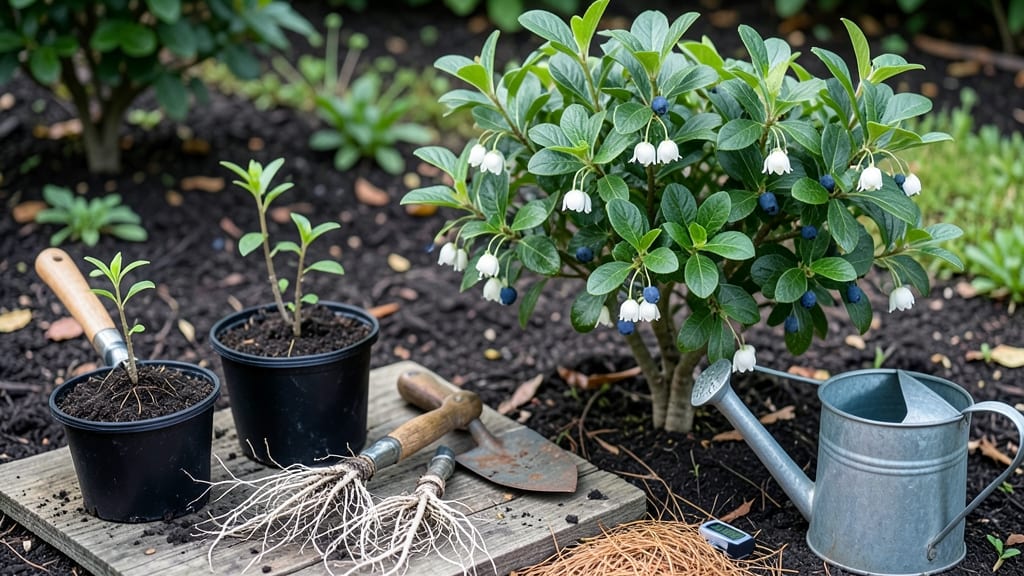
If you’ve ever dreamed of picking fresh, juicy 🫐 blueberries from your Maryland backyard, timing your planting is the first step to success—or failure.
Planting blueberries at the wrong time in Maryland’s 6a-7b zones can mean struggling bushes for years, while the right window sets you up for a thriving harvest every June-July.
Maryland’s climate—with its unpredictable springs and late frosts—demands precision. Whether you’re in the cooler Zone 6a of western Maryland or the milder Zone 7b near the coast, the best months to plant are late winter to early spring (February-April) or fall (September-October).
But here’s the catch: even within these windows, local soil conditions and microclimates can shift your ideal date by weeks. Should you plant in February when the ground is still cold, or wait until April when the soil warms?
Or is fall the better bet? I’ll break it down so you know exactly when to dig in for maximum growth.
Let’s cut through the guesswork. You’ll learn the exact months to plant in your specific Maryland zone, plus soil prep secrets and seasonal cues to ensure your blueberries take root strong. Ready to turn your yard into a berry patch?
Best planting months for blueberries in Maryland by hardiness Zone
Maryland spans USDA hardiness zones 6a to 7b, which dramatically affects your blueberry planting window. In Zone 6a (western MD like Frederick), aim for late March to early April when soil warms above 50°F.
Gardeners in Zone 7a (central MD like Baltimore) have a longer window—February to early May—thanks to milder winters. Eastern MD’s Zone 7b (Annapolis) even allows fall planting in September before first frost.
Spring planting gives roots time to establish before summer heat, while fall planting lets bushes settle before winter dormancy. Maryland’s last frost date (avg. March 15) signals spring readiness, but soil temperature—not calendar dates—is your true guide. Use a soil thermometer to confirm 50-60°F depths before planting.
🌱 Maryland Blueberry Planting Timeline by Zone
Fall planting in Maryland’s Zone 7b offers advantages: cooler temps reduce transplant shock, and bushes establish roots before summer heat. However, avoid planting after October 15—roots need 6–8 weeks to harden before winter. For bare-root plants, soak roots overnight before planting to prevent drying.
Maryland’s microclimates (urban heat islands vs. rural areas) can shift planting by 2–4 weeks. Urban Baltimore may see earlier soil warming than rural Allegany County, so monitor local weather patterns. Pro tip: Plant northern highbush varieties (like ‘Duke’ or ‘Bluecrop’) for Maryland’s climate—they thrive in zones 4–7.
If you miss spring/fall windows, container growing extends your options. Potted blueberries can be planted anytime soil is workable, but move containers indoors during sub-20°F nights. Just ensure pots have drainage holes to prevent root rot—a common issue in Maryland’s humid summers.
Remember: Acidic soil (pH 4.5–5.5) is non-negotiable for blueberries. Test your soil 6 weeks before planting—Maryland’s native clay often needs peat moss or sulfur to adjust pH. Spread 3 inches of organic mulch (pine needles work best) after planting to retain moisture and acidify soil over time.
🫐 Pro Tip: Mark your calendar for Maryland’s average first frost (Nov 15)—this helps time fall planting. For spring, watch for daylilies blooming, a sure sign soil is ready.
Critical factors that determine your exact planting date in Maryland
Maryland’s unpredictable spring weather can throw off even the best-laid planting plans. While February-April and September-October are the ideal windows, your exact date hinges on three key factors: soil temperature, moisture levels, and microclimates. Ignore these, and you risk stunted growth or frost damage.
First, soil temperature is non-negotiable. Blueberries need soil between 50-60°F to root properly. In Zone 6a (western MD), this typically means waiting until late March or early April. But in Zone 7b (coastal areas), soil warms faster—planting in February can work if you’re proactive with mulch.
Next, moisture levels play a critical role. Maryland’s clay-heavy soils drain poorly, so planting in dry spells (like late April) can stress young roots. Aim for consistently moist soil—water deeply 2-3 days before planting to signal roots it’s time to grow.
A simple soil moisture meter ($10 at garden centers) takes the guesswork out of this.
Then there’s microclimates. Urban areas like Baltimore (Zone 7a) may be 2-3 weeks warmer than rural Frederick (Zone 6a).
Watch for last frost dates: Planting too early in Zone 6a risks frost damage, while Zone 7b gardeners can push planting into early February if protected by a microclimate (e.g., near a south-facing wall).
3 Critical Timing Rules for Maryland Blueberries
- Soil temp must reach 50°F+—test with a thermometer or wait until dandelions bloom (a natural indicator).
- Plant 2-3 weeks after last frost in Zone 6a; 1-2 weeks in Zone 7b.
- Avoid planting in drought—blueberries need consistent moisture for root establishment.
Timing also depends on whether you’re planting bare-root (cheaper, best in fall) or container-grown (more flexible, works in spring). Bare-root plants need 6-8 weeks to establish roots before Maryland’s November frosts, so September-October is ideal. Container-grown bushes adapt faster, giving you a 2-week buffer in spring.
Pro tip: Use Maryland’s Maryland Grown frost date map (available online) to pinpoint your exact last frost window. For example, Annapolis (Zone 7b) typically sees its last frost by March 10, while Cumberland (Zone 6a) waits until April 5.
Planting too early in colder zones risks root freeze, while waiting too long delays growth.
Finally, humidity is your friend—but only if managed. Maryland’s summer humidity can lead to fungal diseases if soil stays soggy. After planting, mulch with pine needles (acidic, like blueberries love) to balance moisture and prevent soil-borne pathogens.
This one tweak can mean the difference between a thriving bush and a struggling one.