
Plants
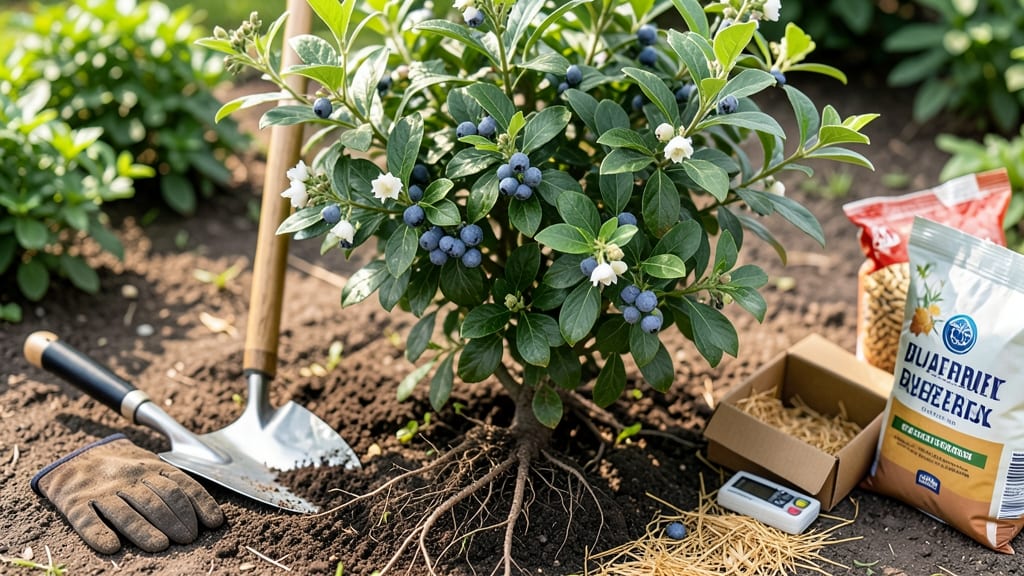
If you're dreaming of a Kansas garden bursting with juicy 🫐 blueberries, timing your planting is the game-changer that separates success from frustration. Kansas' 5b-7a climate demands precision—plant too early, and frost will nip your young bushes; too late, and they won't establish strong roots before winter.
The ideal window? Late winter to early spring (February-April) or fall (September-October), when soil temperatures cooperate and chill hours align with your blueberry variety's needs.
Here's the kicker: not all blueberries are created equal. Some varieties need 900 chill hours to thrive in Kansas, while others adapt to just 300-500 hours. Choosing the wrong type could mean skipped harvests or stunted growth.
I'll break down which varieties suit Kansas best and how to match them to your microclimate—because even within the state, planting timing can shift by 2 weeks from north to south.
Beyond the calendar, soil prep is where most Kansas gardeners trip up. Blueberries are divas about pH—4.5-5.5 is non-negotiable—and our native alkaline soil won't cooperate without intervention.
We'll tackle soil amendments, frost protection hacks, and spacing secrets to ensure your bushes grow strong enough to produce pounds of berries by next summer.
Ready to transform your Kansas yard into a blueberry powerhouse? Let's dive into the exact steps, from soil tests to planting dates, so you can enjoy homegrown 🫐 by mid-summer—without the guesswork. Your future breakfast smoothies will thank you.
Best planting times for blueberries in Kansas by chill-hour needs
Blueberries in Kansas thrive when planted during their dormant season, which aligns with late winter to early spring or fall. The key is matching your chill-hour variety to Kansas’ 400-900 chill hours (USDA Zones 5b-7a).
High-chill varieties like 'Bluecrop' need 800+ hours, while low-chill types like 'Top Hat' thrive with 300-500 hours.
Spring planting (March-April) gives roots time to establish before summer heat, while fall planting (September-October) allows roots to settle before winter. Soil temperature must be above 40°F (4°C) for safe planting—critical in Kansas’ unpredictable late frost risks (average last frost: March 15).
Here’s how to align planting windows with Kansas’ climate zones and chill-hour needs:
| Chill-Hour Range | Best Planting Window | Soil Temp Requirement | Kansas Zone Fit | Frost Risk |
|---|---|---|---|---|
| 800-900 hours | Late March–April (spring) or early September (fall) | 45–55°F (7–13°C) | Zones 5b-6a | High (late frosts) |
| 500-700 hours | April–May (spring) or mid-September (fall) | 50–60°F (10–16°C) | Zones 6b-7a | Moderate |
| 300-500 hours | May–June (spring) or late September (fall) | 55–65°F (13–18°C) | Zones 7a+ | Low |
*Chill hours = # of hours below 45°F (7°C) needed for bud dormancy.
For high-chill varieties (e.g., 'Bluecrop'), plant in late March–April to avoid late frosts. In Zone 5b (e.g., Wichita), wait until April 15 to minimize frost damage. Low-chill varieties (e.g., 'Chippewa') can handle Zone 7a (e.g., Kansas City) and tolerate May planting.
Fall planting is ideal for bare-root blueberries—roots establish before winter, and spring growth kicks off faster. Aim for September–October, ensuring 6 weeks before first frost (average: November 1). Mulch with pine straw to insulate roots and maintain acidic soil (pH 4.5–5.5).
Kansas’ variable climate demands flexibility. Monitor soil moisture and frost forecasts via the National Weather Service. Use row covers for early spring plantings to protect young shoots from 28°F (-2°C) frosts, common in Zone 5b.
Pro tip: Test soil pH 2 weeks before planting. Kansas’ calcareous soils (high pH) require amendments like elemental sulfur (1 lb per 100 sq ft) or peat moss. Aim for pH 4.8–5.2—blueberries won’t thrive above 5.5.
Container growing is another option for small spaces or high-pH yards. Use acidic potting mix and plant in May–June to avoid transplant shock during Kansas’ hot summers. Containers also let you move plants to sunniest spots (6–8 hours of direct sunlight).
Timing isn’t just about months—it’s about chill hours and soil conditions. Match your variety to your zone, amend soil 3 months ahead, and plant when roots can establish before stress. With the right timing, your Kansas blueberries will reward you with juicy, homegrown fruit for years. 🫐
Best planting times for blueberries in Kansas by chill-hour needs
Blueberries in Kansas need precise timing because they rely on chill hours—the number of hours below 45°F needed to set fruit buds. Most Kansas varieties require 400-900 chill hours, so planting too early or late can disrupt their dormancy cycle.
The ideal window is late winter to early spring (February–April) or fall (September–October), when soil temperatures are cool but workable.
Kansas spans USDA Zones 5b–7a, so frost dates vary. In Zone 5b (northwest KS), aim for late March–April to avoid late frosts. In Zone 7a (southeast KS), February–March works best. Fall planting is ideal for bare-root bushes, allowing roots to establish before winter dormancy.
Soil temperature is critical—wait until the ground warms to 40–50°F (test with a soil thermometer). Planting in frozen or waterlogged soil stresses roots. Mulch with pine straw or wood chips after planting to regulate soil temps and retain moisture.
| Chill-Hour Range | Best Planting Window | Soil Temp Requirement | Frost Risk |
|---|---|---|---|
| 400–600 hours | Late March–April (spring) or September (fall) | 40–50°F | High in Zone 5b |
| 600–900 hours | February–March (spring) or October (fall) | 45–55°F | Moderate in Zone 6–7a |
High-chill varieties like 'Bluecrop' (800+ hours) thrive in Zone 5b–6a, while low-chill types like 'Top Hat' (300–500 hours) suit Zone 7a. Test your chill hours using local weather data—most Kansas areas meet 600+ hours, but northern regions may need hardier varieties.
Fall planting is my favorite strategy for Kansas gardeners. Plant 6–8 weeks before the first frost (typically by October 15) to let roots establish. Water deeply after planting, then mulch to insulate roots during winter. Spring planting requires soil work in early February to prep beds before thawing.
Pro tip: Use black plastic mulch in early spring to warm soil faster. This speeds up root growth and extends the planting window by 2–3 weeks in cooler zones. Just remove it after planting to avoid overheating.