
Plants
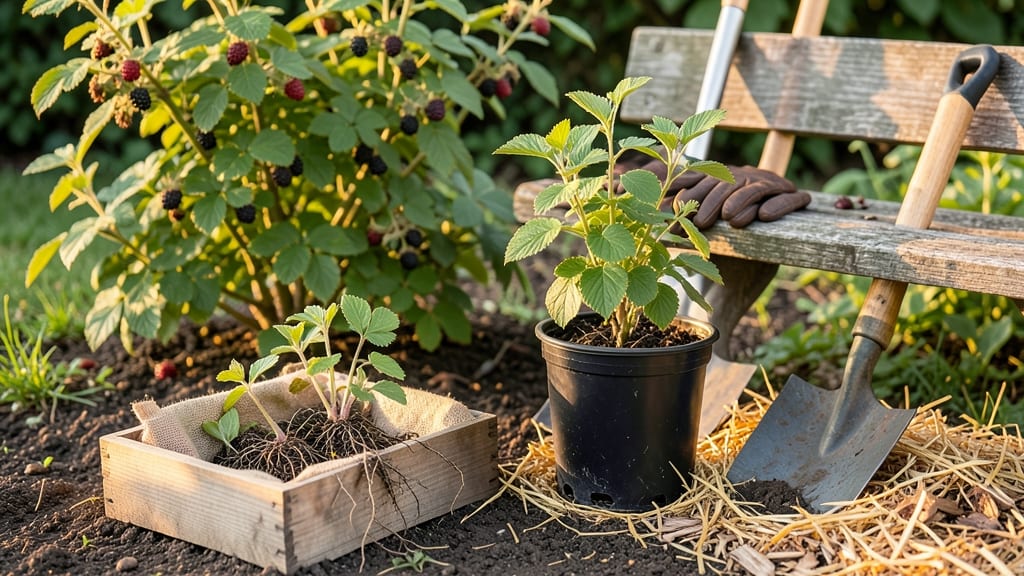
If you're dreaming of juicy, homegrown 🫐 blackberries but don't know when to plant them in Virginia, timing is your secret weapon. The wrong schedule could mean frost damage or weak plants that never thrive—so getting it right makes all the difference.
Virginia's 6a-8a climate gives you two prime windows: late winter to early spring or fall. Planting bare-root canes in February through April lets them establish roots before summer heat, while fall planting (September-October) avoids spring frosts.
The key is knowing your last frost date—whether it's April 15 in Zone 6a or March 1 in Zone 8a.
I'll break down the exact months that work best for Virginia's regions, plus how to prep your soil and choose the right varieties like Chester or Triple Crown. You'll learn why some gardeners swear by early spring while others prefer fall—and which method actually gives them the biggest harvest.
Ready to grow blackberries that produce pounds of fruit? Let's get you planted at the perfect time so you can enjoy fresh berries from July through August—without the guesswork.
Best planting months for blackberries in Virginia’s climate zones
Virginia’s USDA hardiness zones 6a-8a create unique challenges for blackberry planting. The ideal window is late winter to early spring (February–April) or fall (September–October), but exact timing depends on your region.
In Zone 6a (mountains), wait until after the last frost date (April 15), while Zone 8a (Tidewater) can plant as early as February.
Fall planting is often preferred because it gives roots time to establish before winter dormancy. For bare-root plants, order in late winter and plant immediately upon arrival. Potted blackberries can be planted year-round, but summer heat increases transplant shock risk.
Here’s how Virginia’s three main regions differ:
| Region | Best Planting Window | Key Consideration | Soil Temp Threshold |
|---|---|---|---|
| Mountains (Zone 6a) | April 15–May 15 | Late frosts common; use frost cloth | 45°F (7°C) minimum |
| Piedmont (Zone 7a) | March 25–April 30 | Moderate humidity; watch for fungal diseases | 50°F (10°C) minimum |
| Tidewater (Zone 8a) | February 1–March 15 | Early planting risks heat stress; mulch heavily | 55°F (13°C) minimum |
For fall planting, aim for September–October to allow roots to establish before winter. In Zone 8a, you can extend this to early November, but avoid planting when soil temps drop below 50°F (10°C). Use a soil thermometer to check—blackberries need warm soil to root properly.
Virginia’s humid summers make late-spring planting risky. If you miss the spring window, wait until fall—never plant in summer heat, as transplant shock kills up to 70% of blackberries in trials. Always choose thornless varieties like Chester or Triple Crown, which thrive in Virginia’s climate.
Pro tip: Order bare-root plants in late winter and store them in a cool, dark place until planting. For potted plants, soak roots in water for 1–2 hours before transplanting to reduce shock. Both methods work, but bare-root is cheaper and more widely available for Virginia gardeners.
Timing also affects harvest readiness. Blackberries planted in fall often bear fruit 1–2 weeks earlier than spring-planted ones, giving you a jump-start on the July–August harvest season. Plan accordingly if you’re growing for commercial sales or home preserves.
Finally, track your local frost dates using the NOAA Climate Database. In Zone 6a, a late frost in May can devastate young canes, while Zone 8a gardeners must avoid planting too early and risking heat stress.
Adjust your schedule by 1–2 weeks if your microclimate runs cooler or warmer than the zone average.
With the right timing, your Virginia blackberries will thrive—producing juicy, sweet berries for years to come. Start with the fall window for best results, and always prioritize soil prep and sun exposure to maximize success. 🫐
Best planting months for blackberries in Virginia’s climate zones
Virginia’s USDA Zones 6a-8a create distinct planting windows for blackberries, and choosing the right time depends on whether you’re using bare-root canes or container-grown plants.
In Zone 6a (western mountains), aim for March 15-April 15 to avoid late frosts, while Zone 8a (Tidewater) gardeners can plant as early as February 15—just 2 weeks after your last frost date.
The fall window (September-October) is ideal for most Virginia regions because it lets plants establish roots before winter dormancy. This method reduces transplant shock and gives you a head start in spring.
For potted blackberries, you can extend planting into late spring (May), but they’ll need consistent moisture to thrive.
Here’s how Virginia’s three main regions differ:
| Region | Best Planting Window | Key Consideration | Last Frost Date |
|---|---|---|---|
| Mountains (Zone 6a) | March 15–April 15 (spring) or September 1–October 15 (fall) | Cooler temps; avoid late frosts | April 15 |
| Piedmont (Zone 7a) | February 20–March 30 (spring) or August 30–September 30 (fall) | Moderate climate; watch for humidity | March 25 |
| Tidewater (Zone 8a) | February 15–March 15 (spring) or September 1–October 1 (fall) | Warmer winters; extend fall planting | March 1 |
For Virginia’s humid summers, avoid planting in June-August—the heat stresses young plants. Instead, opt for early spring or fall when soil temps are 50–60°F and rainfall is moderate. Pro tip: Use mulch after planting to retain moisture and regulate soil temperature.
If you’re growing thornless varieties like Triple Crown, they’re more forgiving with timing but still prefer cool-season planting. These varieties thrive in Virginia’s climate and produce heavier yields when planted in the optimal fall window.
Check your local NOAA frost dates before planting—even a 2-week delay can mean the difference between thriving brambles and frost damage. For example, Zone 7a’s March 25 last frost means planting in late February could risk cold snaps.
Once you’ve nailed your planting window, focus on soil prep—blackberries crave well-draining, slightly acidic soil (pH 5.5–6.5). Next, we’ll cover how to prep your site for maximum success.