
Plants
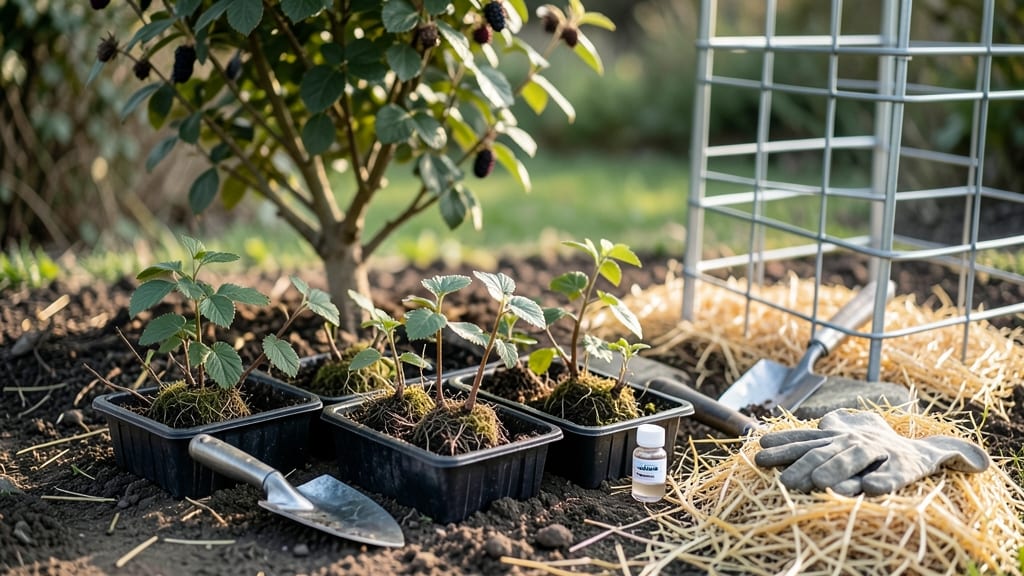
Timing your blackberry 🫐 planting in Oklahoma could mean the difference between a lush, productive vine and a struggling plant that never quite thrives. With Oklahoma's 6a-7b climate zones, getting the window right—whether in late winter or fall—is absolutely critical for establishing strong roots before the heat of summer.
Most gardeners in Oklahoma swear by planting in September or October, when soil temperatures are cooling but still warm enough to encourage root growth. This fall window gives your blackberries a head start before winter dormancy, setting them up for explosive growth come spring.
But if you prefer spring planting, aim for February or March, just as the ground begins to thaw and frost risks diminish.
Why does this matter so much? Blackberries are sensitive to frost, and planting too early can leave young vines vulnerable to damage. Meanwhile, waiting too long risks missing the optimal soil moisture window.
I’ll walk you through the exact frost-free timeline for Oklahoma’s regions, plus soil prep tips to ensure your blackberries take off—no guesswork involved.
Whether you're a first-time gardener or a seasoned grower, mastering these timing details will give you the confidence to plant with precision. Let’s break down the best strategies for Oklahoma’s unique climate so you can enjoy a bountiful harvest from May through August.
Best planting windows for blackberries in Oklahoma’s climate zones
Oklahoma’s diverse climate zones—ranging from USDA Zone 6b in the north to Zone 8a in the southern panhandle—create unique planting opportunities for blackberries. The key is aligning your planting schedule with frost-free dates and soil warmth, which vary dramatically across the state.
In most regions, late winter to early spring (February–March) is ideal, but fall planting (September–October) works well in warmer southern areas.
For northern Oklahoma (Zones 6b–7a), aim to plant bare-root canes in late February to early March, once soil temperatures rise above 45°F. This timing ensures roots establish before the last average frost (March 15).
In contrast, southern Oklahoma (Zones 7b–8a) can start as early as January or even extend planting into early November for fall varieties.
Microclimates add another layer of complexity. The panhandle’s milder winters (Zone 8a) allow for earlier spring planting or even fall planting in November, while eastern Oklahoma’s cooler springs may require waiting until mid-March. Always check your local frost dates—delay planting if late frosts are forecasted.
Here’s how to match your planting window to Oklahoma’s regions:
Spring planting gives blackberries 6–8 weeks to establish roots before summer heat, while fall planting leverages cooler temperatures and soil moisture for root growth. In Oklahoma’s Zone 7a–7b, both windows work, but spring is often preferred for thornless varieties, which need extra time to harden off.
Pro tip: If planting in fall, choose dormant canes and water deeply before the first hard frost (November 15). Mulch heavily with straw or wood chips to insulate roots. For spring planting, avoid working wet soil—wait until it’s crumbly and warm to the touch.
Oklahoma’s variable weather patterns mean flexibility is key. Monitor local weather forecasts and adjust your planting date by 1–2 weeks if late frosts or unusually cold snaps are predicted. Patience now pays off with healthier vines and bigger harvests next season.
For container growing, extend your planting window by 2–4 weeks—pots warm up faster in spring and can be moved to protected microclimates in fall. Just ensure containers have drainage holes and use a lightweight potting mix to prevent root rot.
🌱
Best planting windows for blackberries in Oklahoma’s climate zones
Oklahoma’s diverse climate—from the cooler northern regions to the warmer panhandle—means blackberry planting windows vary significantly. Most gardeners in USDA zones 6b-7b (covering most of the state) should aim for late winter to early spring or fall planting.
The key is avoiding frost while giving roots time to establish before summer heat arrives.
In northern Oklahoma (zones 6b-7a), like Tulsa or Oklahoma City, the last frost typically hits around March 15. This means your best window is February to early March for spring planting or September to October for fall.
In southern Oklahoma (zones 7b-8a), like Lawton or the panhandle, you can plant as early as January or extend fall planting into November.
Here’s how microclimates affect timing: Eastern Oklahoma (like Muskogee) has cooler springs, so wait until mid-March to avoid late frosts. Meanwhile, the panhandle’s warmer winters allow for earlier planting—sometimes as early as January—but avoid planting before February 15 to prevent cold damage.
| USDA Zone | Best Spring Planting Window | Best Fall Planting Window | Last Frost Date |
|---|---|---|---|
| 6b (Northern OK) | Late February - Early March | September - October | March 15 |
| 7a (Central OK) | Early February - Mid-March | September - October | March 1-15 |
| 7b (Southern OK) | January - Early March | October - November | February 15 |
| 8a (Panhandle) | January - February | October - December | January 31 |
For fall planting, aim to get roots established 4-6 weeks before the first frost (usually mid-November in most of Oklahoma). This gives vines time to harden off before winter.
In the panhandle, where winters are milder, you can push fall planting into December—but avoid planting after December 15 to prevent winter dieback.
Pro tip: Check your local Almanac frost dates or use the Oklahoma Mesonet for real-time microclimate data. If you’re in a valley or low-lying area, expect 2-3°F colder nights than higher elevations, which may delay spring planting by a week or two.
Once you’ve nailed the timing, the next step is soil prep—but we’ll cover that in the next section to ensure your blackberries get off to the right start. 🌱