
Plants
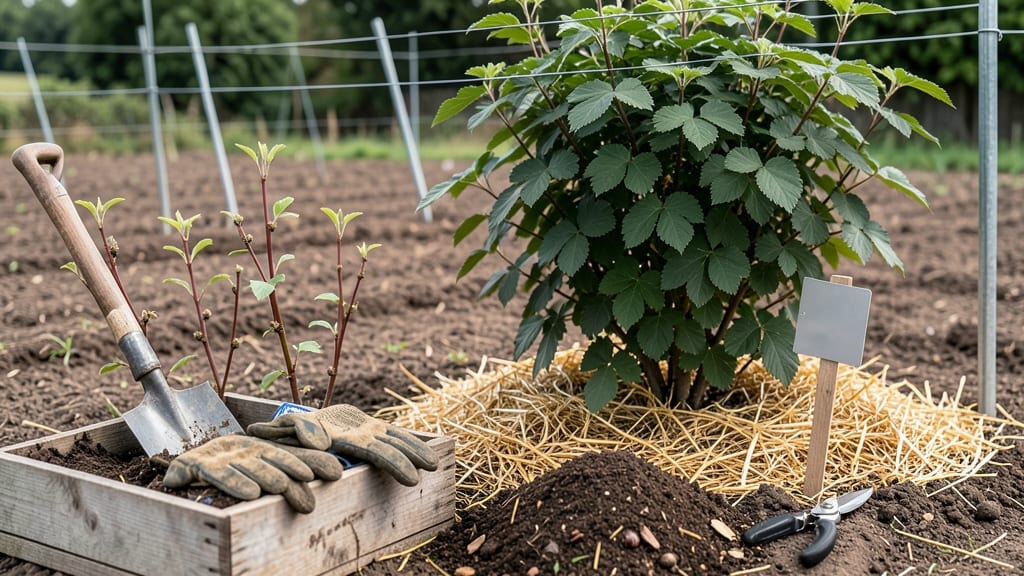
Timing your blackberry planting in Colorado isn't just about following a calendar—it's about outsmarting the state's infamous late frosts and high-altitude quirks. One wrong move, and your 🫐 bushes could end up as frost snacks instead of fruit producers.
Whether you're in Denver's USDA Zone 5 or the Western Slope's Zone 7, knowing the exact window makes all the difference.
Most Colorado gardeners swear by two planting seasons: spring (after your last frost, typically late March to early May) and fall (September to early October). But here's the catch—your elevation and microclimate can shift that window by weeks.
A Front Range gardener might plant in early April, while someone in Grand Junction could wait until May without breaking a sweat.
Why does this matter? Because blackberries need 6-8 hours of sun daily and 300-1,000 chill hours to thrive—and Colorado's weather can throw curveballs.
I'll show you how to read frost forecasts, pick the right varieties for your zone, and give your plants the best shot at survival (and delicious berries by summer).
Let's cut through the guesswork so you can plant with confidence—and start harvesting those sweet, juicy 🫐 by June or July. Ready to turn your backyard into a blackberry bonanza?
Colorado’s blackberry chill-hour zones: matching varieties to your location
Colorado’s diverse elevations create microclimates that demand careful variety selection for blackberries. Most Colorado regions fall within USDA Zones 5-7, but chill-hour requirements (300–1,000+ hours below 45°F) vary dramatically.
For example, Denver’s Front Range typically accumulates 600–800 chill hours, while Grand Junction’s Western Slope may only reach 400–600 hours. This mismatch explains why some varieties thrive in one area but fail in another.
To succeed, choose blackberry varieties that align with your local chill hours. Northern Colorado’s colder zones (5–6) favor hardy types like ‘Triple Crown’ or ‘Chester’, while southern Colorado’s milder zones (6–7) can handle ‘Natchez’ or ‘Ouachita’.
Always verify your chill hours using the USDA Plant Hardiness Zone Map or local Cooperative Extension offices.
Here’s how to match varieties to Colorado’s regions:
High-altitude areas (above 6,000 feet) often experience earlier frosts and shorter growing seasons. To compensate, opt for early-flowering varieties like ‘Black Satin’ or ‘Arapaho’, which mature faster.
Always adjust planting dates based on your specific elevation—add 2–4 weeks later for every 1,000 feet above sea level.
For urban gardeners in cities like Denver or Colorado Springs, microclimates near buildings or fences can add 50–100 extra chill hours. Use this to your advantage by planting heat-loving varieties in sheltered spots. Test your microclimate by placing a minimum-maximum thermometer in your garden for a full winter.
Pro tip: If you’re unsure about your chill hours, start with ‘Triple Crown’—it’s the most adaptable variety for Colorado’s 5–7 zones and handles a wide range of chill-hour conditions.
For organic growers, avoid thornless varieties like ‘Natchez’, as they require more maintenance but produce larger, sweeter berries.
Once you’ve selected the right variety, time your planting to avoid late spring frosts. The next section covers frost-free deadlines for Colorado’s key regions, including how to extend your planting window with protective measures.
Frost-free deadlines by Colorado region: when to plant for maximum survival
Colorado’s last frost dates vary wildly—from mid-April in Denver to early May in Grand Junction. These deadlines are your planting cutoff, but I recommend adding a 4-week buffer for high-risk zones like the Front Range, where late frosts can linger into May.
For example, if your average last frost is April 20, aim to plant by April 1 to give roots time to establish before potential cold snaps.
Bare-root blackberries are tougher to transplant later, so prioritize them in late March to early April (Front Range) or mid-April to May (Western Slope). Potted plants offer more flexibility—you can wait until 2-3 weeks after your last frost without stressing the roots.
Check the Almanac’s Frost Calculator for your exact zip code to avoid costly mistakes.
📅 Colorado Planting Windows by Region
- Denver (Zone 5): March 25–April 15 (bare-root) or April 15–May 1 (potted)
- Colorado Springs (Zone 6): April 1–April 20 (bare-root) or April 20–May 5 (potted)
- Grand Junction (Zone 7): April 15–May 1 (bare-root) or May 1–May 15 (potted)
- Fort Collins (Zone 4-5): March 15–April 5 (bare-root) or April 5–April 20 (potted)
💡 Pro Tip: Add 2 weeks to these dates if your yard is in a cold microclimate (e.g., near a lake or valley).
Fall planting (September–early October) is a hidden gem for Colorado gardeners. Cooler temps mean less transplant shock, and blackberries establish roots before winter dormancy. However, avoid planting after October 10—roots need 4-6 weeks to harden off before freezing.
In high-elevation areas like Leadville (Zone 4), shift your window to late August–early September to beat the early snow.
For extended-season growing, use row covers or black plastic mulch to warm soil by 5–10°F. This lets you plant 2 weeks earlier in spring or 2 weeks later in fall.
Just remove covers when flowers appear to prevent heat stress. I’ve seen gardeners in Boulder push their spring window back by 3 weeks using this trick!
If you’re in a high-risk frost zone (like the San Luis Valley), consider early-flowering varieties like ‘Triple Crown’ or ‘Natchez’. These bloom 2–3 weeks later than standard types, dodging late frosts while still yielding 2–3 lbs of berries per plant.
Pair them with late-flowering ‘Chester’ for a staggered harvest.
Remember: Soil temperature matters more than air temperature. Use a soil thermometer—plant when roots hit 50°F+. In dry climates like the Western Slope, water your planting hole 24 hours before to prevent shock. 🌱