
Plants
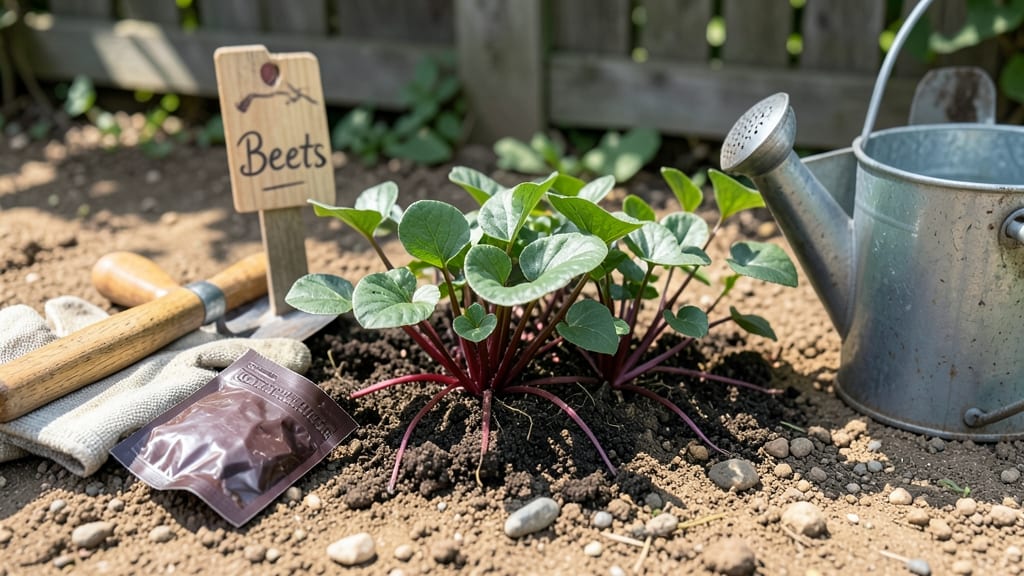
Timing your beet planting in Zone 9 could mean the difference between tender, sweet roots and tough, bitter ones. The key is avoiding those scorching summer months when heat sends them bolting faster than you can say "🍠 harvest."
Most gardeners in Zone 9 swear by two perfect windows: late summer through fall, or early spring before the heat ramps up. These periods give your beets just the right balance of cool weather and daylight to grow properly.
Skip this timing, and you might end up with woody roots that taste more like disappointment than dinner.
I’ve learned the hard way that planting beets in Zone 9 isn’t just about picking a month—it’s about understanding your microclimate. Coastal areas stay cooler longer, while inland spots can bake even in shoulder seasons.
Let me show you exactly how to read your local conditions and adjust your planting schedule for foolproof results.
From soil prep to succession planting, I’ll walk you through every step to maximize your harvest—so you can enjoy crisp, flavorful beets from November through May. Ready to dig in?

Best planting months for beets in Zone 9: avoid heat stress
Zone 9’s warm winters and long summers make beet planting a balancing act. The key is to avoid the scorching summer heat, which causes beets to bolt (go to seed) or develop woody roots.
Instead, focus on fall and early spring when temperatures stay mild—ideal for sweet, tender harvests.
Beets thrive when soil temperatures hover between 50°F and 70°F. In Zone 9, this means planting when daytime highs are below 85°F. Coastal areas can extend this window slightly due to cooler ocean breezes, while inland zones may need to plant even earlier to escape summer’s intensity.
🌱
| Planting Window | Soil Temp | Daylight Hours | Microclimate Tip |
|---|---|---|---|
| September 15–October 15 | 60°F–70°F | 12+ hours | Best for fall harvests; use shade cloth if temps rise above 80°F. |
| February 1–March 15 | 55°F–65°F | 11–12 hours | Avoid late frosts; opt for cold-hardy varieties like 'Detroit Dark Red'. |
| November 1–December 15 | 50°F–60°F | 10–11 hours | Winter planting works in mild microclimates (e.g., near heat-retaining walls). |
For coastal Zone 9 gardens, you can push planting into late October thanks to cooler ocean winds. Inland areas should wrap up by mid-October to avoid heat stress. Use a soil thermometer to confirm temps are ideal—beets won’t germinate well in soil above 80°F.
If you’re eager for a summer harvest, try shade-cloth planting in June or July. Cover seedlings with 30–50% shade cloth to keep soil temps below 75°F. This tricks beets into thinking it’s cooler, delaying bolting. Just be prepared for slower growth.
Pro tip: Plant beet greens separately if you want to harvest them in summer—they’re more heat-tolerant than the roots. Save the roots for fall or spring when conditions are perfect.
🌿
Remember, succession planting is your friend in Zone 9. Sow new seeds every 2–3 weeks during your ideal window to ensure a continuous harvest.
For example, start your first batch in mid-September and follow with another in early October—this way, you’ll have beets ready to pull in November and December.
One common mistake in Zone 9 is assuming beets can handle summer like okra or sweet potatoes. They can’t! Even a few days above 85°F will send them bolting. Pay attention to your local heat advisories and adjust planting dates accordingly.
Finally, test your soil before planting. Beets prefer loamy, well-draining soil with a pH of 6.0–7.0. Amend heavy clay soil with compost or sand to improve drainage—woody roots often result from compacted soil.
Best planting months for beets in Zone 9: avoid heat stress
Zone 9’s warm winters and long summers make beet planting a delicate timing game. Unlike cooler climates, you’ll skip the traditional spring window—summer heat causes beets to bolt (flower prematurely) or develop tough, woody roots. Instead, focus on fall and early spring when temperatures stay mild.
Your two best planting windows are September-October (fall) and February-March (spring). These months offer ideal soil temperatures (55–75°F) and cooler days (below 80°F), which beets thrive in. Coastal areas may extend fall planting into early November, while inland zones should finish by mid-October.
| Planting Window | Soil Temp | Daylight Hours | Key Tip |
|---|---|---|---|
| September-October (Fall) | 55–75°F | 11–12 hours | Plant 6–8 weeks before first frost |
| February-March (Spring) | 60–70°F | 11–12 hours | Avoid planting after March 15 |
| Avoid: June–August | Above 80°F | 14+ hours | Heat stress causes bolting |
Microclimates in Zone 9 add another layer. Coastal areas like San Diego can push fall plantings into early December, while inland valleys (e.g., Phoenix) should finish by mid-October. Test your soil temperature with a soil thermometer—keep it between 55–75°F for optimal germination.
For succession planting, stagger seeds every 2–3 weeks during your chosen window. This ensures a continuous harvest and reduces the risk of bolting from sudden heat spikes. Use shade cloth (30–50%) if planting in late spring to protect seedlings from intense afternoon sun.
Remember: Beets are cool-season crops, so prioritize timing over quantity. A small, well-timed batch in fall or spring will outperform a failed summer attempt. Start with 6–8 weeks before your first frost date to guarantee mature roots before winter chills set in.