
Plants
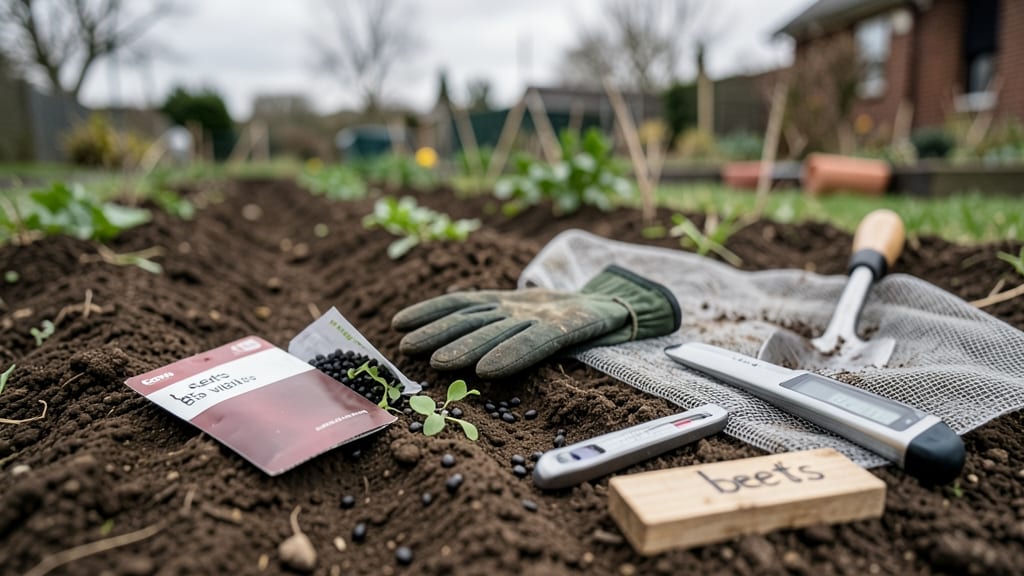
Timing your beet planting in Indiana can make the difference between a bumper crop of sweet, tender roots and a disappointing harvest. The right window ensures your 🍠 thrives in the Hoosier State’s 6a zone, where unpredictable weather can turn a good planting into a gamble.
Indiana’s short growing season demands precision—plant too early, and frost zaps your seedlings; too late, and your beets bolt before reaching peak flavor. But with the right strategy, you can enjoy fresh harvests from late summer through early fall, even in the Midwest’s variable climate.
I’ll walk you through the exact weeks to plant for maximum success, including how to adjust for Indiana’s last frost dates and regional microclimates. Whether you’re a first-time gardener or a seasoned pro, these tips will help you avoid common mistakes and extend your harvest.
From early spring sowings to late-summer succession plantings, you’ll learn how to beat Indiana’s weather challenges and keep your beet patch productive all season. Let’s get those seeds in the ground at the perfect time!
Best planting weeks for beets in Indiana’s hardiness zones 5-6
Indiana’s USDA Zones 5-6 offer two prime windows for planting beets: early spring and late summer. Timing matters because beets thrive in cool soil temperatures (50–70°F) and bolt when exposed to consistent summer heat.
The key is to plant when the ground warms enough to support germination but before the air gets too hot.
For spring plantings, aim for 4–6 weeks before your last frost date (typically March 15–April 15 in most of Indiana).
This gives seedlings time to establish before summer’s heat arrives. Fall plantings should happen 8–10 weeks before the first frost (around August 1–September 15) to ensure a harvest before winter sets in.
Here’s the breakdown of optimal planting weeks based on Indiana’s average frost dates, tailored to maximize your harvest:
| Planting Window | Recommended Weeks | Soil Temp | Notes |
|---|---|---|---|
| Early Spring | March 15–April 15 | 50–60°F | Plant when soil is workable; cover with row fabric if frost threatens. |
| Late Summer | August 1–September 15 | 60–70°F | Choose heat-tolerant varieties like 'Detroit Dark Red' for fall harvests. |
| Succession Planting | Every 2–3 weeks (April–July) | 50–70°F | Extend harvests by sowing small batches; avoid planting after June 1. |
Indiana’s microclimates can shift planting windows by 1–2 weeks. For example, northern Indiana (Zone 5) may need to wait until April 1 for spring plantings, while southern Indiana (Zone 6) can start as early as March 1.
Check your local Indiana State Climate Office for frost date updates each year.
Pro tip: Use a soil thermometer to confirm temperatures. Beets won’t germinate well in cold soil (<50°F), so wait until the ground reaches 50°F consistently before sowing. If you’re eager to start early, try indoor starts in late February under grow lights, then transplant outdoors after the last frost.
For fall harvests, focus on August plantings—this gives beets 8–10 weeks to mature before frost. If you miss this window, consider cold-hardy varieties like 'Ruby Queen' or 'Golden' for storage over winter. Mulch heavily in late fall to protect roots from freezing.
Remember: Beets are biennials, meaning they’ll bolt (flower) in their second year. In Indiana’s climate, this usually happens in late summer if left in the ground. To prevent bolting, harvest or pull plants before June if you’re not planning a fall crop.
🌱
Best planting weeks for beets in Indiana’s hardiness zones 5-6
Indiana’s USDA Zone 5-6 climate means beets must be planted strategically to avoid frost damage or premature bolting. The last average frost date is around April 15, while the first frost typically arrives by October 15.
This leaves a narrow window for optimal growth, but with the right timing, you can enjoy fresh beets from late spring through early fall.
For the sweetest, most tender roots, focus on two planting windows: early spring (as soon as soil is workable) and late summer (for a fall harvest). Indiana’s short growing season demands precision—miss the mark, and you’ll either lose seedlings to frost or watch your beets bolt before reaching maturity.
Here’s the breakdown of ideal planting weeks based on Indiana’s climate patterns:
| Planting Window | Best Weeks in Indiana | Key Considerations |
|---|---|---|
| Early Spring | Mid-March to early April | Soil must reach 40°F; use row covers for frost protection. |
| Late Spring Succession | Late April to mid-May | Plant every 2-3 weeks for continuous harvests. |
| Late Summer for Fall | Mid-August to early September | Aim for 70-80 days to maturity before first frost. |
Adjust these windows based on your microclimate. Southern Indiana (warmer zones) may start earlier, while northern areas should wait until after the last frost. Always monitor soil temperature—beets thrive in 50-85°F soil, so avoid planting when temperatures fluctuate wildly.
For cold-hardy varieties like Detroit Dark Red or Golden, you can even experiment with February sowings under row covers in mild winters. Just be prepared to protect seedlings with cloches or fabric if frost threatens.
The key is balancing frost risk with heat tolerance—beets bolt quickly in Indiana’s summer heat, so avoid planting after June 15.
Pro tip: Use a gardening calendar to track your local frost dates and adjust planting weeks accordingly. Indiana’s climate varies by region, so check with your local cooperative extension for hyper-local advice. With the right timing, you’ll enjoy a steady supply of beets from June through October!