
Plants
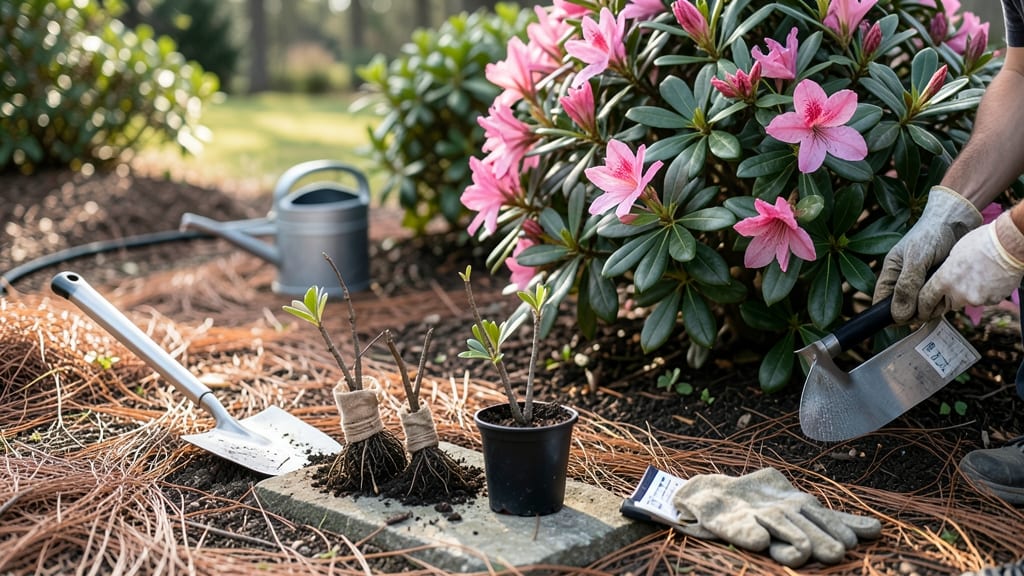
Planting azaleas in Arkansas isn't just about picking a date—it's about syncing your 🌸 azalea with the state's unique climate zones and avoiding the brutal summer heat that can shock tender roots.
Whether you're in the cooler 7a regions or the slightly warmer 8b areas, getting the timing right means the difference between vibrant blooms and struggling shrubs.
Most Arkansas gardeners know fall and early spring are the prime windows, but what you might not realize is how chill hours factor into your choice. Azaleas need a specific number of cold hours to bloom properly, and Arkansas spans two distinct chill-hour zones.
I'll show you exactly how to match your planting schedule to your local conditions for the best results.
From preparing acidic soil to choosing between bare-root and potted plants, there are key steps that make all the difference. Let me walk you through the optimal planting windows, regional variations, and care tips that will help your azaleas thrive in Arkansas' challenging climate.
Whether you're a seasoned gardener or just starting your first azalea bed, these insights will help you avoid common mistakes and create a stunning display that lasts for years. Let's get your azaleas off to the right start!
Arkansas azalea planting calendar by chill-hour zones (500-1000 hours)
Arkansas gardeners know timing is everything when planting azaleas, and the state’s chill-hour zones play a critical role. Northern Arkansas (like Fayetteville) typically requires 500-700 chill hours, while southern regions (such as Little Rock) need 700-1000 chill hours.
These hours determine whether your azaleas will bloom spectacularly or struggle to survive.
For northern Arkansas, the ideal window is October through November or February through March. Southern Arkansas gardeners should aim for November to early December or late February to March.
Planting outside these windows risks exposing tender roots to Arkansas’ extreme heat or late frosts, both of which can be fatal.
To verify your local chill hours, check with your county extension office or use online chill-hour calculators. This ensures you select azalea varieties that match your region’s climate. For example, Southern Indica azaleas thrive in southern Arkansas, while Kurume azaleas are better suited for northern areas.
| Region | Chill Hours | Best Planting Months | Key Varieties |
|---|---|---|---|
| Northern Arkansas | 500-700 | Oct-Nov, Feb-Mar | Kurume, Deciduous |
| Southern Arkansas | 700-1000 | Nov-Early Dec, Late Feb-Mar | Southern Indica, Evergreen |
Fall planting is often preferred because it allows roots to establish before Arkansas’ summer heat arrives. However, if you miss fall, early spring planting works too—as long as the soil isn’t frozen.
Avoid planting in late spring or summer, as the heat can stress azaleas and reduce their chances of survival.
When selecting azaleas, consider their mature size and bloom season. Dwarf varieties like ‘Girard’s Pink’ are perfect for containers, while larger shrubs like ‘Hino Crimson’ need space in garden beds. Always choose acid-loving varieties to match Arkansas’ natural soil conditions.
After planting, mulch with pine straw or shredded bark to retain moisture and regulate soil temperature. This is especially important in Arkansas’ humid summers, where mulch helps prevent root rot and keeps the soil cool. Water deeply once a week for the first month to encourage root growth.
For container-grown azaleas, the timing is slightly different. Plant them in late winter or early spring to avoid shocking their roots with Arkansas’ sudden temperature shifts. Containers also dry out faster, so monitor soil moisture closely and water more frequently during the growing season.
One common mistake is assuming all azaleas have the same chill-hour needs. For example, Evergreen azaleas often require more chill hours than Deciduous azaleas. Always check the variety’s specifications before purchasing to ensure it’s suited for your Arkansas location.
Finally, keep an eye on your local frost dates. In northern Arkansas, the last frost typically occurs around March 15, while southern areas may see frost as late as April 1. Planting too early risks frost damage, while waiting too late can delay root establishment.
Critical mistakes to avoid when planting azaleas in Arkansas’ climate
Planting azaleas in Arkansas can go wrong fast if you ignore the state’s unique climate challenges. One of the biggest mistakes is planting too early—especially in northern Arkansas—where late frosts can still hit after March 15.
Delicate azalea roots can suffer irreversible damage from even a light freeze, so always wait until the soil temperature stays above 50°F for at least a week.
Another common error is overlooking soil acidity requirements. Arkansas’ native soil is often alkaline, but azaleas thrive only in acidic soil (pH 4.5-6.0). Many gardeners skip soil testing and end up with stunted growth or yellowing leaves.
I recommend using a soil test kit from your local extension office before planting—it’s a small step that saves hours of frustration later.
⚠️ Warning: Avoid These Planting Pitfalls
- Planting in full sun: Arkansas’ afternoon sun (especially in summer) can scorch azalea leaves. Provide afternoon shade to protect tender foliage.
- Using alkaline amendments: Lime or wood ash will raise pH and kill your azaleas. Stick to sulfur or peat moss for acidity.
- Overwatering: Arkansas’ humid climate can lead to root rot if soil stays soggy. Ensure well-draining soil and water only when the top 1-2 inches are dry.
- Ignoring container size: Potted azaleas in Arkansas need at least 12-inch pots to prevent root binding. Upgrade containers before planting.
"Azaleas are finicky but rewarding—skip these mistakes, and you’ll enjoy blooms for decades."
Many gardeners also make the mistake of planting azaleas too deeply. The root flare (where roots meet the trunk) should sit just above soil level. Burying it too deep suffocates the plant and causes stem rot.
If your nursery pot has deep grooves, trim excess roots before planting to encourage outward growth.
For container-grown azaleas, timing is critical too. Planting them in summer heat (June-August) shocks their roots, while late fall (after November 15) may not give roots enough time to establish before winter. I’ve seen many gardeners struggle because they assumed containers could handle Arkansas’ extremes—they can’t.
Finally, don’t skip mulching after planting. Arkansas’ summer heat dries out soil quickly, and mulch helps retain moisture while keeping roots cool. Use 3-4 inches of pine straw or shredded bark, but keep it 6 inches away from the trunk to prevent rot.
This simple step can double your azalea’s survival rate in Arkansas’ brutal climate.
Remember: Azaleas in Arkansas need three things—the right chill hours, acidic soil, and protection from extreme heat. Get these right, and your azaleas will thrive for years. Skip any of them, and you’ll be dealing with stressed plants (or worse).