
Plants
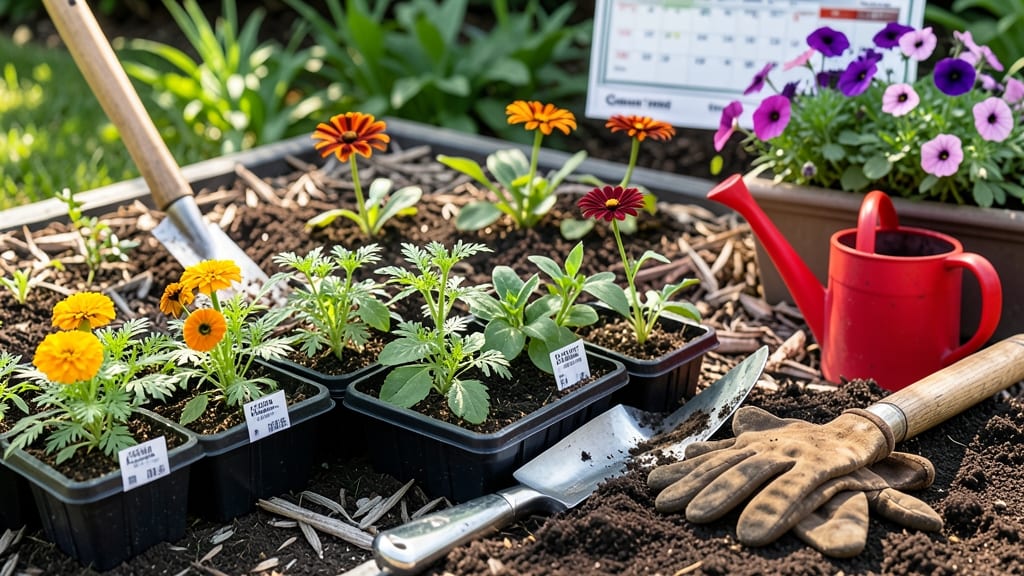
Timing your annuals planting in Ohio can make the difference between a thriving garden full of 🌸 vibrant blooms and a sad pile of frost-nipped seedlings.
The exact window for planting—typically after Ohio’s last frost date—varies more than you’d think, depending on whether you’re in a cozy urban pocket or wide-open rural fields.
Most Ohio gardeners wait until mid-April to early May to plant annuals outdoors, but that’s just the starting point. In Zone 6a, where temperatures can swing wildly, knowing your microclimate is the key to success.
I’ll break down how to read frost forecasts, adjust for early vs. late springs, and even use simple tools like soil thermometers to avoid common mistakes.
Whether you’re dreaming of marigolds, petunias, or crisp lettuce, the right timing ensures your plants get off to a strong start. You’ll discover pro tips for starting seeds indoors, choosing cold-hardy varieties, and extending your planting season—so you can enjoy fresh harvests well into fall.
Let’s dive into the frost-free timeline that’ll have your Ohio garden bursting with color and flavor all season long. Ready to turn your green thumb into a garden masterpiece?
Ohio’s frost-free dates: when to plant annuals by month
Ohio’s Zone 5b climate means frost dates can swing wildly—some years you’re planting by mid-April, others you’re waiting until late May.
To avoid frost damage to tender annuals, I rely on Ohio State University’s historical frost data, which shows the average last frost date falls between April 15–May 1. But don’t let averages fool you: urban areas like Columbus often warm up faster than rural spots in Appalachia.
For cold-hardy annuals like pansies or lettuce, I start as early as late March under row covers. Most warm-season annuals, though—think marigolds or tomatoes—need to wait until soil temperatures hit 60°F+, usually mid-May. I test soil with a thermometer to confirm before planting.
Here’s my month-by-month planting guide for Ohio’s Zone 5b, tailored to both direct sowing and transplanting seedlings:
Pro tip: Use the National Weather Service’s frost prediction maps (available 2 weeks before expected frost) to adjust your timeline. I also set up a mini greenhouse in my garage to give seedlings a head start if April stays chilly.
Microclimates matter! Urban gardens (like those in Columbus) can be 2–3°F warmer than rural areas, so I plant 1–2 weeks earlier in the city. Conversely, Appalachian valleys hold cold longer—wait until May 10 there. Always check your local cooperative extension for hyper-local advice.
For container gardening, I add heat mats to extend the season. Containers warm up faster in spring but also cool down quicker in fall. If you’re using pots, delay planting until mid-May to avoid root shock from temperature swings.
Remember: Frost warnings ≠ frost dates. Even if the forecast says “no frost,” a late April surprise can still happen. I keep row covers and frost cloth handy for late-spring and early-fall plantings.
For example, I’ll plant cosmos seeds in early June but cover them if a 50°F night is predicted.
Ohio’s first frost typically arrives October 15, but heat-loving annuals like portulaca or celosia can handle light frosts. I harvest seeds from these by mid-October to preserve them for next year. For most annuals, though, I pull them by Labor Day to avoid disease pressure from wet fall weather.
To track your own frost-free timeline, record the dates you plant and any frost events for 3 years. Patterns emerge—like how my northern Ohio garden rarely sees frost after June 1, giving me a 120-day growing window for fast-maturing annuals like bush beans.
Ohio’s frost-free dates: when to plant annuals by month
Ohio’s Zone 5b climate means last frost dates can vary wildly—from early April in southern Ohio to late May in the northern hills. To avoid frost damage, I always check the National Weather Service or local Cooperative Extension for updates.
For most of Ohio, the average last frost date falls between April 15 and May 1, but urban areas like Columbus often warm up faster than rural zones.
If you’re eager to start planting, cold-hardy annuals like pansies and snapdragons can go in the ground as early as late March in protected microclimates. However, most warm-season annuals (think marigolds, basil, and tomatoes) need to wait until the soil hits 60°F—usually mid-May for safety.
I’ve learned the hard way that rushing these plants can lead to stunted growth or worse, total loss.
| Month | Cold-Tolerant Annuals | Warm-Season Annuals | Soil Temp Goal |
|---|---|---|---|
| March | Pansies, Snapdragons, Lettuce | None (too early) | 40-50°F |
| April | Calendula, Stock, Spinach | Marigolds (hardened), Basil (late April) | 50-60°F |
| May | Sweet Alyssum, Dianthus | Tomatoes, Peppers, Petunias | 60-70°F |
| June | None (transition to summer) | Zinnias, Sunflowers, Basil | 65°F+ |
Adjust dates 1-2 weeks earlier for southern Ohio or later for northern regions.
For direct sowing, I recommend waiting until two weeks after the average last frost date—this gives Mother Nature a buffer. If you’re starting seeds indoors, begin 6-8 weeks before the last frost date for most annuals.
My go-to rule: If your local forecast predicts a low of 32°F or colder, hold off on planting tender annuals.
Microclimates play a huge role in Ohio. Urban areas like Cincinnati or Columbus often warm up 1-2 weeks earlier than rural spots due to the urban heat island effect.
If you’re in a valley or low-lying area, frost lingers longer—so err on the side of caution. I always keep a frost cloth handy for late surprises!
Pro tip: Use the USDA Plant Hardiness Zone Map to cross-check your exact location. Ohio spans Zones 5b to 6b, so even a 20-mile drive can shift your planting window by a week.
For extra peace of mind, I set up garden markers with planting dates and soil temperature logs to track progress.
Remember, succession planting is your best friend in Ohio’s short season. Start with fast-growing annuals like radishes or lettuce in early spring, then follow up with tomatoes and peppers in late May. This way, you’ll have continuous harvests all summer long—no gaps!