
Planting
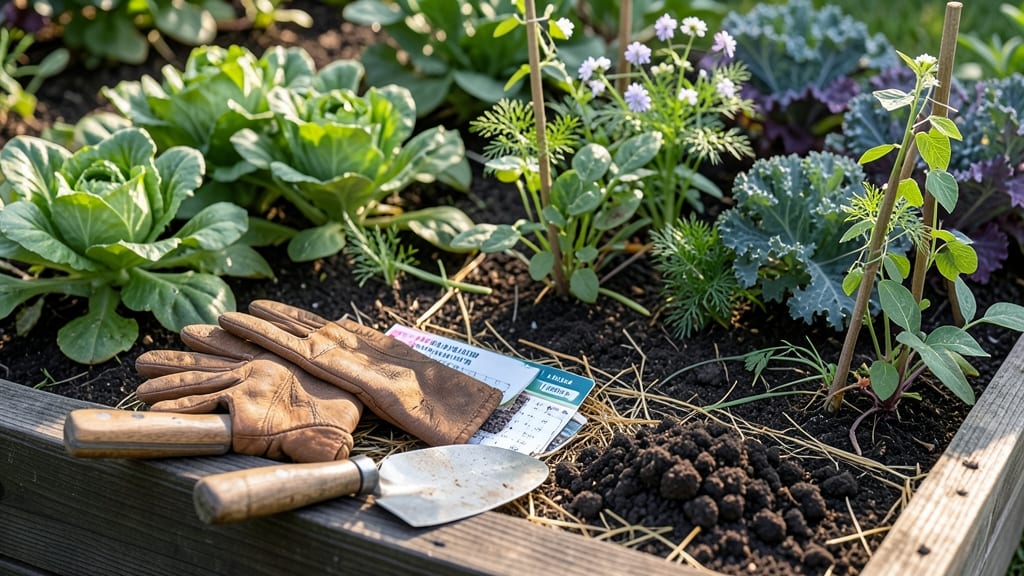
Timing your garden planting in Utah isn’t just about following a calendar—it’s about outsmarting the state’s dramatic elevation shifts and unpredictable frost patterns. One week too early in the Wasatch Front, and a late snowstorm could wipe out your seedlings.
Too late in Southern Utah’s desert climate, and scorching summer heat arrives before your tomatoes even think about fruiting.
I’ve spent years tracking Utah’s microclimates, and the difference between a thriving 🌱 garden and a failed one often comes down to knowing the exact weeks to plant.
Whether you’re in Cache Valley’s cooler pockets or the high-desert stretches of San Juan County, the right timing can mean the difference between a bumper crop and a sad, wilted disappointment.
What you’re about to discover isn’t just theory—it’s a practical roadmap for Utah’s most reliable planting windows, tailored to your specific corner of the state. We’ll break down last frost dates, soil temperature tricks, and even how to use Utah’s monsoon rains to your advantage.
No more guessing games—just proven strategies to turn your backyard into a productive oasis.
Ready to ditch the trial-and-error? Let’s get your Utah garden growing like a pro, with zero wasted effort and maximum harvests from spring through fall.
Utah’s last frost dates by region: planting windows for cold-hardy vegetables
Utah’s last frost dates vary wildly—from March 15 in St. George to June 1 in high-elevation Park City. These differences mean your cool-season crops (like spinach and peas) can thrive in southern Utah while northern gardeners must wait until late spring.
Understanding your microclimate is key to avoiding frost damage and maximizing harvests.
For warm-season crops (tomatoes, peppers), timing matters even more. Plant too early, and a late frost will kill seedlings. Too late, and summer’s intense heat stresses plants before they mature. Utah’s USDA Zones 4-8 add another layer—high-elevation areas (Zone 4-5) have shorter growing seasons than desert lowlands (Zone 7-8).
Below is a region-by-region breakdown of Utah’s average last frost dates, tailored for cool-season starters (hardy greens, root veggies) and warm-season transplants (tomatoes, peppers). Use these as your planting benchmarks, then adjust based on your local microclimate.
| Region | USDA Zone | Avg. Last Frost | Cool-Season Start | Warm-Season Transplant |
|---|---|---|---|---|
| Wasatch Front (Salt Lake City) | Zone 5-6 | April 15–May 1 | March 1 (hardy greens) | May 15–June 1 |
| Southern Utah (St. George) | Zone 7-8 | February 15–March 1 | January 15 (peas, spinach) | March 15–April 1 |
| Cache Valley (Logan) | Zone 5-6 | April 20–May 5 | March 15 (broccoli, cabbage) | May 10–May 25 |
| Eastern Utah (Price) | Zone 5-6 | April 25–May 10 | March 10 (kale, lettuce) | May 20–June 1 |
| San Juan County (Monticello) | Zone 6-7 | April 1–April 15 | February 28 (hardy crops) | April 15–May 1 |
*Adjust dates 2–4 weeks earlier for high-elevation areas (e.g., Park City, Ogden).
Pro tip: Use a soil thermometer to confirm warmth before planting. Cool-season crops (like peas and spinach) can handle 40°F soil, while warm-season crops (tomatoes, peppers) need 60°F+. In Utah’s desert regions, soils warm faster—plant earlier than the table suggests.
For high-elevation gardens (above 6,000 ft), add 2–4 weeks to these dates. For example, in Park City (Zone 4), wait until May 15 for warm-season transplants. Meanwhile, St. George gardeners can start tomatoes in February under row covers for an early harvest.
Utah’s first frost dates also vary—southern Utah sees frost as early as October 15, while northern areas may extend the season until November 1. Plan your fall planting accordingly, focusing on cold-hardy crops like kale, radishes, and carrots for late harvests.
Always monitor local weather forecasts and use frost cloth for an extra 2–4°F protection if late frosts are predicted. In my Salt Lake City garden, I’ve learned that succession planting (staggering seeds every 2 weeks) is the secret to a continuous harvest, even with Utah’s short growing season.
Ready to dive deeper? My next section covers adjusting planting dates for Utah’s unpredictable weather—including how to use monsoon rains to your advantage and when to pull the trigger on second plantings.
How to adjust planting dates for Utah’s unpredictable weather patterns
Utah’s weather can be as unpredictable as a mountain storm, leaving gardeners scrambling to adjust planting schedules. Late frosts in May and early heatwaves in June make timing everything. The key? Flexibility and preparation.
I’ve learned to use soil thermometers and frost watches to fine-tune my plantings, ensuring my cool-season crops survive unexpected chills while my warm-season plants thrive before the heat peaks.
One of my biggest mistakes was planting tomato seedlings too early in Salt Lake City, only to have them nipped by a May frost. Now, I wait until the soil reaches 60°F—a rule of thumb that’s saved my garden multiple times.
For high-elevation areas like Park City, I push planting dates back by 2-3 weeks compared to the Wasatch Front. Even a 1,000-foot elevation gain can shift your frost-free date by 7-10 days.
🌱 Utah Planting Adjustments by Risk Level
Spinach, peas, lettuce
Plant 4-6 weeks before last frost
Broccoli, carrots, radishes
Plant 2-3 weeks before last frost
Tomatoes, peppers, cucumbers
Wait until soil is 60°F+
Pro Tip: Use frost cloth to extend planting windows by 2-4 weeks for heat-loving plants.
Succession planting is my secret weapon against Utah’s short growing season. Instead of one big planting, I stagger lettuce, radishes, and bush beans every 2 weeks from April through June.
This ensures a continuous harvest and reduces the risk of losing everything to a single late frost or heatwave. For example, I’ll plant a first batch of radishes in early April (they mature in 30 days) and a second batch in late May
Utah’s monsoon season (July-August) is another wild card. While it brings much-needed rain, it can also drown young seedlings if they’re not hardened off. I’ve started watering deeply but less frequently in early July to encourage deep root growth, which helps plants survive the intense downpours. For container gardens, I use self-watering pots to prevent soil erosion during storms. If you’re new to Utah gardening, start with cold-hardy crops like kale, Swiss chard, and peas—they’re forgiving and can handle temperature swings. For warm-season lovers, consider starting seeds indoors 6-8 weeks before your last frost date and using row covers to protect tender plants. I’ve even had success with fall planting in September for spinach and carrots, as nights cool down earlier than you’d expect. The bottom line? Monitor your local weather, adjust dates weekly, and keep backup seeds on hand. Utah’s climate rewards the prepared gardener—so stay flexible, and your garden will thank you with bountiful harvests all season long. 🌱🌡️✂️