
Planting
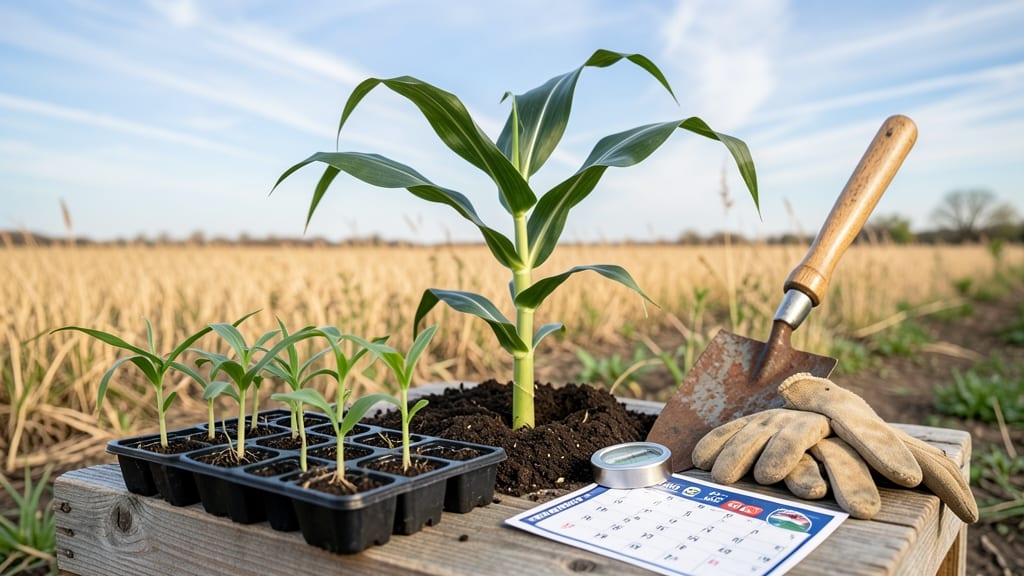
When to plant a garden in Iowa isn’t just about grabbing a trowel—it’s about outsmarting Mother Nature’s unpredictable spring surprises. With frost dates that can shift by weeks, planting too early risks turning your seedlings into crispy snacks, while waiting too long means missing the sweet spot for harvests. Whether you're dreaming of juicy tomatoes or crisp lettuce, knowing your Zone 5a-6a deadlines is the difference between a thriving 🌱 General Garden and a frustrating gamble.
Iowa’s climate throws curveballs, but the secret lies in mastering the 165 frost-free days that separate your last spring chill from the first autumn nip. From cool-loving peas in early April to heat-craving cucumbers by mid-May, each crop has its own window—and missing it means weeks of wasted effort.
Let’s break down the exact dates you need to maximize your harvests, whether you’re in Des Moines or Dubuque.
You don’t need a degree in meteorology to get this right. I’ll show you how to use simple tools like soil thermometers and local frost charts to fine-tune your planting schedule.
Plus, I’ll share pro tips for extending your season with row covers and cold frames, so you can squeeze every last bite out of your garden—even when Iowa’s weather feels like a rollercoaster.
Ready to turn your garden from guesswork to goldmine? By the end, you’ll know exactly when to plant every crop in your 🌱 General Garden, from the first seeds in March to the final harvests in October. Let’s get those plants in the ground at the perfect moment.
Iowa’s frost-free dates by Zone 5a vs 5b: planting windows explained
Iowa’s Zone 5a and Zone 5b climates mean your planting timeline could shift by 2-3 weeks depending on where you live. Northern Iowa (Zone 5a) typically sees its last frost around May 15, while southern Iowa (Zone 5b) often warms up by May 1.
These differences matter for warm-season crops like tomatoes and peppers that need consistent warmth.
But here’s the catch: microclimates—like urban heat islands or sheltered garden spots—can push your frost dates earlier or later. For example, Des Moines (Zone 5b) might see 30% fewer frost days than a rural area in Zone 5a like Mason City.
Always check local records from the Iowa State University Extension for your county’s trends.
For cool-season crops like spinach and peas, you’ll want to plant 4-6 weeks before your average last frost date. That means mid-March to early April in Zone 5b and late March to mid-April in Zone 5a. These hardy greens can even handle light frosts, turning sweeter after a freeze!
Warm-season crops like tomatoes, cucumbers, and corn need to wait until soil temperatures hit 50°F+ and all frost risk has passed. In Zone 5a, that’s usually late May, while Zone 5b gardeners can start mid-April for early varieties. Use row covers to extend your window if needed.
🌱Pro Tip: Bookmark the National Weather Service’s Frost/Freeze Forecast for real-time updates. A late frost in April can delay planting by 2-3 weeks, so flexibility is key.
If you’re growing perennials like asparagus or strawberries, plant crowns in early spring (March-April) so roots establish before summer heat. These plants need 2-3 years to mature, so don’t rush—they’ll reward you for patience!
For fall planting, aim to sow seeds 90-120 days before your first frost (typically September 15 in Zone 5a and October 1 in Zone 5b). Crops like kale, radishes, and spinach thrive in cooler temps and can handle light frosts, giving you a second harvest before winter.
🌿Remember: Iowa’s growing season is short (165 frost-free days), so prioritize fast-maturing varieties and succession planting to maximize yields. Start seeds indoors 6-8 weeks before your last frost for head starts on tomatoes, peppers, and herbs.
Need a backup plan? Row covers can push warm-season planting back by 2-3 weeks, while cold frames extend fall harvests into November for hardy greens. Test your soil temperature with a soil thermometer—it’s the final word on when to plant!
How to use the 100-Day rule for warm-season crops in Iowa
Iowa’s warm-season crops like tomatoes, peppers, and corn need a long, frost-free growing window to thrive. The 100-day rule is your secret weapon: subtract the number of days to maturity from your frost-free date to pinpoint the exact planting window.
For example, if your last frost is May 15 and your tomato seeds need 80 days to harvest, plant them by March 15—but that’s too early for Iowa’s soil! Adjust for soil warmth and seedling readiness.
Start by checking the maturity days on your seed packet. Most tomatoes and peppers take 70-90 days, while corn needs 90-120 days. Use this formula: Frost-free date - maturity days = planting date.
For Zone 5a (northern Iowa), aim for April 20-May 10 for most warm-season crops. In Zone 5b (southern Iowa), you’ve got a 10-day buffer—plant by April 10-May 1.
Here’s where it gets tricky: Iowa’s soil temperature must reach 50°F for warm-season seeds to germinate. Use a soil thermometer ($10 at garden centers) to check—cold soil delays sprouting. If your soil is still chilly, opt for transplants instead of direct sowing.
For example, tomato transplants can handle cooler soil, so you can plant them 2 weeks earlier than seeds.
🌱 5 Key Steps to Nail the 100-Day Rule
- 📅 Step 1: Note your last frost date (Zone 5a: May 15; Zone 5b: May 1).
- 🌱 Step 2: Subtract maturity days from your frost date to find your planting window.
- 🌡️ Step 3: Wait until soil reaches 50°F (use a thermometer!).
- 🌿 Step 4: For seeds, plant 2-3 weeks before your calculated date; for transplants, plant 1 week before.
- ⏰ Step 5: Set a harvest reminder by adding maturity days to your planting date.
Pro tip: Succession planting is your ticket to continuous harvests. After your first planting of bush beans (60-day maturity), sow a second batch 3 weeks later to stretch your harvest into late summer.
For lettuce or radishes, you can even plant every 2 weeks until July 15—they bolt in the heat! Just remember: nothing beats the 100-day rule for warm crops.
Mistakes happen—even to seasoned gardeners. Planting tomatoes too late? You’ll miss the sweet spot for ripening before frost. Skipping the soil temp check? Your seeds might rot underground.
To avoid these pitfalls, bookmark Iowa State University’s frost date maps and keep a garden journal to track your own planting successes (or oops!).
With the 100-day rule mastered, you’ll transform Iowa’s short growing season into a harvest goldmine. Start with one test crop, like cherry tomatoes, to practice timing. Soon, you’ll be planting with the confidence of a local Iowa pro—no more frozen seedlings or sad, underripe veggies! 🌱