
Plants
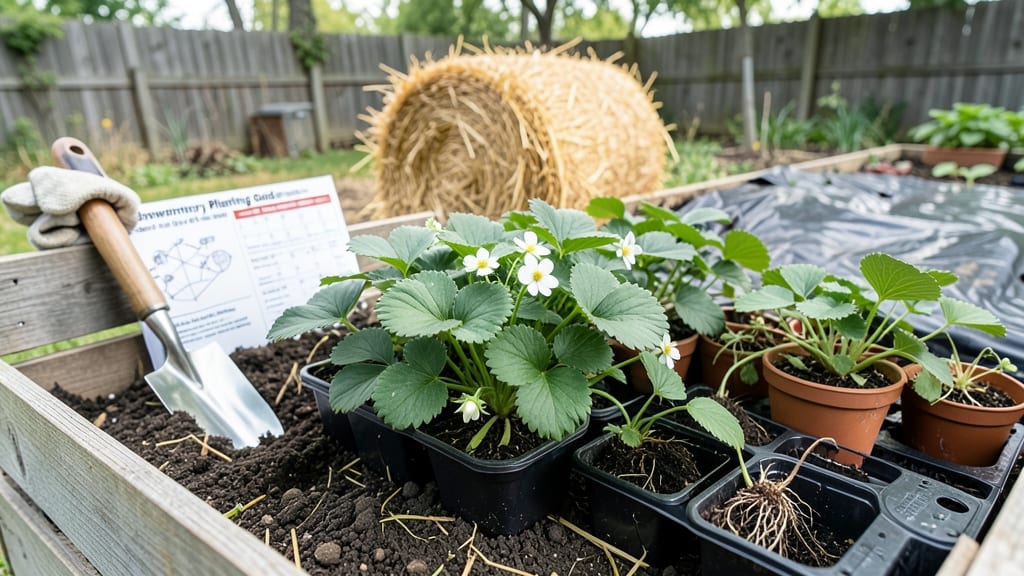
Timing your strawberry planting in Ohio can mean the difference between a bountiful harvest and wasted effort—especially when unpredictable frosts lurk around every corner. With Ohio’s USDA Zone 6a climate, getting the window right ensures your 🍓 plants thrive instead of shriveling under late-spring freezes or summer heat.
Most gardeners swear by early spring planting (March-April), but fall offers a secret advantage for everbearing varieties. The key? Understanding your last frost date (around April 15 in most of Ohio) and soil temperatures that should stay above 40°F before planting.
Get this wrong, and you’ll watch your tender plants turn to mush overnight.
Whether you’re planting in-ground beds or containers, I’ll walk you through Ohio-specific strategies to maximize your yield. From hardening off nursery plants to choosing the right mulch for moisture control, these tips will help you avoid common mistakes that derail even the most eager gardeners.
Ready to turn your backyard into a strawberry patch? Let’s dive into the exact planting schedule, soil prep, and frost-proofing techniques that’ll have you harvesting plump, sweet berries by June or August, depending on your approach. Your taste buds will thank you!
Ohio frost-free dates by planting zone: best months for strawberries
Ohio’s USDA zones 5b–6b mean your frost-free dates can vary by 2–3 weeks depending on location. For northern Ohio (zone 5b), average last frost arrives around April 15, while southern Ohio (zone 6b) typically sees frost-free conditions by April 1.
These dates are your golden window for spring planting—but timing matters even more for June-bearing vs. everbearing varieties.
June-bearing strawberries need cool spring nights to set fruit, so planting 4–6 weeks before last frost (early March–mid-April) gives them time to establish roots before flowering. Everbearing types, however, are more flexible and can handle late spring or even fall planting for staggered harvests.
Check your local Ohio State University Extension frost maps for precise dates—some years, late frosts linger into May.
Here’s how to use frost dates to plan your strawberry harvest timeline:
| Zone | Avg. Last Frost | Spring Planting Window | Fall Planting Window | Harvest Time |
|---|---|---|---|---|
| 5b (Northern OH) | April 15 | March 15–April 15 | July 15–August 15 | June–July |
| 6a (Central OH) | April 1 | March 1–April 15 | July 1–August 15 | May–July |
| 6b (Southern OH) | March 15 | February 15–April 1 | June 15–August 1 | April–June + Aug–Sept |
*Harvest times for everbearing varieties extend into fall.
For June-bearing strawberries, aim to plant 4–6 weeks before last frost to ensure roots establish before flowering.
This means early March in southern Ohio and mid-March in northern regions. Everbearing varieties, like Albion or Seascape, are more adaptable and can handle late spring or even fall planting for a second harvest.
Ohio’s unpredictable weather means you should always have a backup plan. Use frost cloth for late spring frosts or plant everbearing varieties in containers to move indoors if needed. Local weather apps, like the NOAA Climate Data tool, can give you real-time updates on frost risks.
If you’re planting bare-root strawberries, soak roots overnight before planting to revive dormant plants.
For container-grown varieties, wait until soil temperatures hit 40°F—use a soil thermometer to check. Southern Ohio gardeners can push the envelope and plant as early as February under row covers for a head start.
Pro tip: June-bearing strawberries produce one massive harvest in June–July, while everbearing types give you fruit in spring, summer, and fall. If you want year-round berries, mix both varieties in your garden. Fall-planted everbearers often yield sweeter fruit in autumn because they avoid summer pests.
Don’t forget to space plants 12–18 inches apart in full sun (6+ hours daily). Ohio’s clay-heavy soils? Amend with compost or sand to improve drainage—strawberries hate soggy roots. Mulch with straw after planting to retain moisture and suppress weeds.
For container growing, use pots at least 12 inches deep with drainage holes. Place containers in south-facing spots and water daily in summer. Containers warm up faster than soil, so fall planting works well—just protect plants with row covers if frost threatens.
Ohio’s extended growing season (about 165 frost-free days) lets you experiment with fall planting for autumn harvests. Plant everbearing varieties in July–August for fruit in September–October. Just avoid planting after August 15—plants need 6–8 weeks to establish roots before winter.
How to prepare strawberry plants for Ohio’s spring planting: soil, mulch, and hardening tips
Preparing your strawberry plants for Ohio’s spring planting is half the battle—especially when chilly nights still threaten after your last frost (April 15).
The key is giving your plants a strong start by focusing on three critical areas: soil health, mulching strategies, and hardening off nursery-bought plants. Skip these steps, and you risk weak roots or frost damage before your berries even form.
Start by testing your soil pH—strawberries thrive in acidic soil (5.5–6.5). If your yard’s soil tests higher, amend it with peat moss or sulfur 2–3 weeks before planting.
Ohio’s clay-heavy soils often need extra organic matter, so mix in compost or well-rotted manure to improve drainage and nutrient retention. A quick soil test kit from your local Ohio State University Extension office makes this easy.
For container growers, use a lightweight potting mix with perlite or vermiculite to prevent soggy roots. Fill pots with at least 6 inches of depth and ensure they have drainage holes—strawberries hate wet feet!
If you’re planting in-ground, consider raised beds for better control over soil conditions, especially in low-lying areas prone to spring frost pockets.
| Prep Step | Ohio-Specific Tip | Why It Matters |
|---|---|---|
| Test soil pH | Use OSU Extension kit; aim for 5.5–6.5 | Strawberries absorb nutrients best in acidic soil |
| Amend with compost | Mix 2–3 inches into top 6 inches of soil | Improves drainage in clay-heavy Ohio soils |
| Hardening off plants | Expose to outdoor temps for 1 week before planting | Prevents shock from Ohio’s temperature swings |
| Mulch heavily | Use straw (not wood chips); 2–3 inches thick | Retains moisture and insulates roots from frost |
If you’re planting bare-root strawberries (a common choice for Ohio gardeners), soak the roots in lukewarm water for 1–2 hours before planting to rehydrate them. This is especially important if you’ve stored them in a cool, dry place over winter.
For potted plants, gently loosen the roots if they’ve become root-bound—this encourages faster establishment in your garden.
Mulching is non-negotiable in Ohio’s unpredictable spring weather. Apply 2–3 inches of straw mulch (not wood chips, which can compact) around your plants after planting. This mulch layer acts like a blanket, keeping roots 5–10°F warmer during cold snaps and locking in moisture during dry spells.
Replenish mulch as it breaks down—it’s your first line of defense against Ohio’s late frosts.
Finally, don’t rush into planting! If you buy nursery plants in early spring, harden them off for at least 5–7 days before transplanting. Place them in a sheltered spot (like a cold frame or under a porch) during the day and bring them in at night.
Gradually increase their exposure to Ohio’s wind and sun to mimic outdoor conditions. This simple step reduces transplant shock and gives your strawberries a fighting chance against April’s rollercoaster temps.
With these prep steps, your strawberry plants will hit the ground running—literally. By the time your June-bearing varieties start flowering, they’ll be rooted deep and ready to produce plump, sweet berries instead of struggling to survive.
And if a late frost sneaks in? Your mulch and hardened plants will thank you.