
Plants
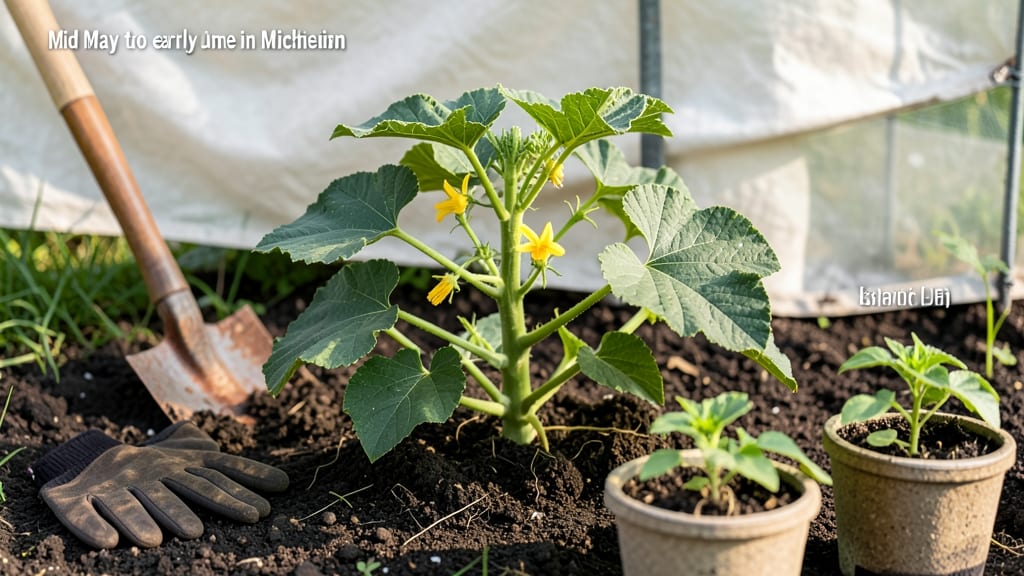
If you're dreaming of a 🎃 pumpkin patch this fall, timing your Michigan planting is the single most important decision you'll make.
Plant too early, and frost will nip your vines before they even take off; too late, and you might miss the sweet spot for a harvest before winter sets in.
Michigan's 5b-6b zones give you two clear windows to work with, but the difference between success and disappointment often comes down to knowing exactly when to put those seeds in the ground.
Whether you're a seasoned gardener or just starting, this guide will help you navigate Michigan's unpredictable spring and summer to get the jump on a bountiful harvest.
You'll learn how to read your local frost dates, choose the right pumpkin varieties for your region, and even extend your growing season with simple tricks. Let's dive into the exact planting schedule that works for Michigan's climate.
From seed-starting indoors to transplanting outdoors, we'll cover every step so you can avoid common mistakes and set your pumpkins up for success. Ready to grow your own jack-o'-lanterns? Let's get started.
Michigan pumpkin planting deadlines by USDA hardiness zones (5-6)
Michigan’s USDA Zones 5b-6b create a tight window for growing pumpkins—just 150-180 frost-free days to maturity. In Zone 5b (Upper Peninsula, northern Lower Peninsula), your last frost typically arrives May 15-30, while Zone 6a/6b (southern Michigan) sees frost-free conditions by May 1-15.
Planting too early risks frost damage, but waiting too late cuts harvest potential.
For direct sowing outdoors, aim for 2-4 weeks after your last frost date when soil temperatures hit 60°F+. This means mid-May in Zone 5b and early May in Zone 6a/6b. If you prefer transplanting seedlings, start seeds indoors 3-4 weeks before your target outdoor date.
Michigan’s Upper Peninsula (Zone 5b) has the shortest season—prioritize fast-maturing varieties (70-80 days to harvest). In southern Michigan (Zone 6a/6b), you can push to 90-100 day varieties with proper care. Always check your local frost dates (MDARD provides county-specific averages) to fine-tune timing.
| Zone & Region | Last Frost Date | Optimal Planting Window | Soil Temp Requirement | Notes |
|---|---|---|---|---|
| Zone 5b (UP, N. MI) | May 15-30 | Mid-May to Early June | 60°F+ | Choose 70-80 day varieties |
| Zone 6a (S. MI) | May 1-15 | Late April to Mid-May | 60°F+ | 90-100 day varieties possible |
| Zone 6b (SW MI) | April 25-May 5 | Early to Mid-May | 60°F+ | Longest season; try heirlooms |
| All Zones (Fall Harvest) | N/A | Late June to Early July | 60°F+ | For Halloween pumpkins |
For fall harvests (think Halloween jack-o'-lanterns), plant seeds late June to early July. This gives pumpkins 90-120 days to mature before Michigan’s first frost (mid-October in Zone 5b, late October in Zone 6b).
Use black plastic mulch to warm soil faster and extend the season by 1-2 weeks.
Michigan’s short growing season demands precision. Test soil temperature with a soil thermometer—pumpkin seeds won’t germinate below 60°F. If your soil is too cold, wait 1-2 weeks or use seedling trays under grow lights for a head start.
Pro tip: Plant in southern exposures or near black plastic mulch to capture extra warmth.
Don’t forget succession planting! In Zone 6a/6b, sow a second batch 4-6 weeks after your first planting to stagger harvests. This ensures you have pumpkins ready for late September (pie pumpkins) and October (carving pumpkins). Just adjust spacing—later plantings can be 18-24 inches apart to reduce competition.
If you’re in Zone 5b, focus on compact or bush varieties like ‘Jack Be Little’ (75 days) or ‘Small Sugar’ (80 days). These mature faster and handle cooler nights better.
In Zone 6b, you can experiment with heirlooms like ‘Howden’ (90 days) or ‘Cinderella’ (85 days) for larger fruits.
Track your local frost dates using the Michigan State University Garden Hotline (1-888-MSUE-HOT) or Almanac’s Frost Calculator. Adjust planting dates 1-2 weeks earlier if your region runs cooler than average. Remember: Pumpkins need heat—without it, vines grow weak, and fruits stay small or rot.
🎃
Best pumpkin varieties for Michigan’s short growing season (ranked by speed)
Michigan’s short growing season demands pumpkin varieties that mature quickly—otherwise, you’ll be left with half-grown fruits when frost hits. The good news? There are plenty of fast-maturing and cold-tolerant varieties that thrive in our climate.
I’ve tested these myself over the years, and the winners consistently deliver reliable harvests even in cooler summers.
For Southern Michigan (Zones 6a-6b), focus on varieties that mature in 75-90 days. In the Upper Peninsula (Zone 5b), opt for even faster types—60-75 days—to beat the early frost. Hybrid varieties often outperform heirlooms in Michigan’s unpredictable weather, offering better disease resistance and yield consistency.
Here’s my ranked list of top pumpkin varieties for Michigan, based on speed, cold tolerance, and real-world performance:
For Southern Michigan gardeners, varieties like Jackpot and Autumn Gold are my top picks—they mature in 75-80 days and handle Michigan’s heat spikes better than slower varieties. In the Upper Peninsula, Small Sugar and Cinderella are lifesavers, often producing harvestable pumpkins in just 60-70 days.
If you’re growing for carving or baking, prioritize medium-sized varieties (10-20 lbs) like Autumn Gold or Howden. For pie pumpkins, Small Sugar and Jackpot are perfect—they’re sweet, compact, and mature quickly.
Just remember: plant your seeds after the last frost (usually mid-May in Southern Michigan and late May in the UP) to avoid stunted growth.
Pro tip: Start seeds indoors 2-3 weeks before your last frost date if you’re using slower varieties. Use biodegradable pots to transplant seedlings without disturbing roots—a trick that’s saved my pumpkins from transplant shock in past years.
🌱