
Companion Plants
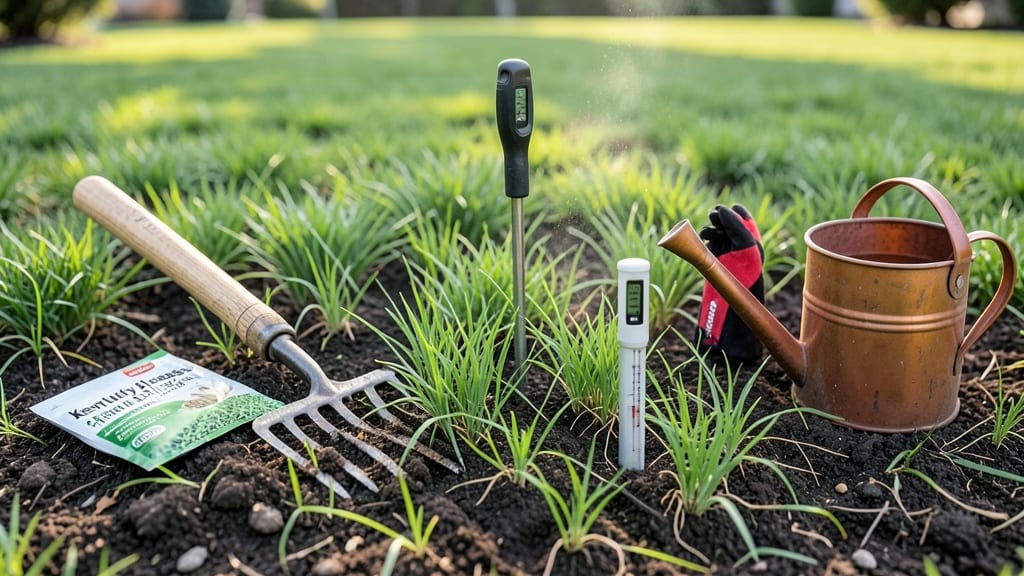
Planting grass at the wrong time in spring can mean slow germination, patchy growth, or even wasted seed—so timing isn’t just important, it’s everything.
Whether you're in a cooler USDA Zone 6a or a warmer region, getting your 🌱 lawn started right means checking soil temps before the first seeds go in.
Most homeowners think "spring" is a single window, but the truth is fast germination depends on whether you're planting cool-season or warm-season grass. Too early? Frost will kill your efforts.
Too late? Weeds will outcompete your new turf. Let me show you exactly how to nail the timing for your climate.
You’ll discover the ideal soil temperatures for your grass type, plus how to test your soil without fancy tools. I’ll also share my top tricks for prepping the ground so your seeds sprout in just 7-14 days—no waiting months for a half-decent lawn.
Ready to transform your yard? Let’s cut through the guesswork and get your grass growing thick and green from day one. The secret starts with knowing when to plant.
Best soil temperature ranges for spring grass planting by region
Timing your grass planting to match soil temperatures is the secret to fast germination and a thick, lush lawn. Cool-season grasses like fescue and ryegrass thrive when soil hits 40-55°F, while warm-season types such as Bermuda and Zoysia need 60-75°F.
Getting this wrong can delay growth by weeks—or worse, leave you with patchy, uneven coverage.
Your local climate zone dictates the perfect window. In Northern states (Zones 3-5), aim for late April to early May when frost risk fades. Meanwhile, Southern regions (Zones 7-10) can start as early as February to March, but only if soil warms consistently.
Even a 5°F swing can stall seedling development.
Don’t guess—test your soil! Use a soil thermometer (just $10 at garden centers) or the DIY finger test: Push your hand 2-3 inches deep.
If it feels cool but not freezing, it’s likely in the ideal range. Pro tip: Check temps in the late afternoon for the most accurate reading.
Regional frost dates add another layer. Plant 4-6 weeks before your last frost for cool-season grasses, giving seedlings time to establish before summer heat arrives. For warm-season types, wait until after the last frost—early planting risks seed rot in chilly, damp soil.
| Grass Type | Ideal Soil Temp (°F) | Best Planting Window | Regions |
|---|---|---|---|
| Cool-Season (Fescue, Ryegrass) | 40-55°F | Late April–Early May | Zones 3-6 |
| Warm-Season (Bermuda, Zoysia) | 60-75°F | Early March–April | Zones 7-10 |
| Transition Zone (Kentucky Bluegrass) | 50-60°F | Early April–Mid-May | Zones 4-7 |
Microclimates matter too. Shady spots or northern exposures stay cooler longer—plant 2 weeks later than sunny areas. If your yard has uneven sun, test soil temps in both shaded and sunny patches before committing to a schedule. A 10°F difference can mean the difference between success and failure.
One more pro move: Pre-warm cold soil by covering bare patches with black plastic for 1-2 weeks before planting. This raises temps by 5-10°F, speeding germination. Just remove the plastic 24 hours before seeding to avoid overheating the seed.
Finally, track your local frost dates using the USDA Plant Hardiness Zone Map or apps like Old Farmer’s Almanac. Bookmark your last frost date and count backward—this is your planting deadline. Miss it, and you’ll be fighting weeds instead of enjoying your lawn.
Ready to dive deeper? Next, we’ll cover the 5 signs your soil is truly ready—and the 3 planting mistakes that sabotage even the best-laid plans. Spoiler: Skipping soil prep is the #1 culprit behind thin, weak grass.
5 Signs your spring soil is ready for grass seed (and 3 mistakes to avoid)
Spring’s fleeting window for planting grass means you can’t afford to guess whether your soil is ready. Cool-season grasses like Kentucky bluegrass need soil temps between 40-55°F, while warm-season varieties like Bermuda thrive at 60-75°F.
But temperature alone isn’t the full picture—soil moisture, texture, and even weed activity send clear signals about readiness.
Before you scatter seed, check for these 5 key signs that your lawn’s foundation is primed for success. Skipping these checks often leads to patchy germination or wasted seed, so don’t rush the prep work. A little patience now saves hours of frustration later.
🌱 5 Signs Your Soil Is Ready for Grass Seed
- Weeds are actively growing – If crabgrass or clover are sprouting, your soil’s 50°F+ and moist enough for grass seed.
- Moisture retention test passes – Press your hand into the soil; if it holds shape but isn’t muddy, it’s ideal for seed-to-soil contact.
- No standing water – Puddles or soggy spots mean poor drainage, which smothers seeds. Rake or amend these areas first.
- Soil crumbles easily – When dry, it should break apart like cookie crumbs—not stick together like clay.
- Ground feels warm to the touch – Use your palm: if it feels like a lukewarm bath, it’s in the perfect 55-65°F range.
Now, let’s talk about the 3 biggest mistakes that derail even well-timed grass planting. First, planting too early—when soil temps dip below 40°F—causes seeds to rot instead of sprout.
Second, ignoring soil compaction (common after winter) blocks roots from penetrating deeply. Third, skipping pre-planting fertilization starves new grass of the nitrogen it needs to compete with weeds.
To fix these issues, start by aerating compacted soil with a garden fork or rented aerator. Then, apply a starter fertilizer (high in phosphorus) to encourage root growth.
For early spring plantings, consider a light mulch layer (like straw) to retain moisture and regulate soil temperature—this is especially helpful in northern climates where frost lingers.
Pro tip: If your soil feels too cold for planting, try black plastic sheeting for 1-2 weeks to warm it naturally. This trick adds 5-10°F to soil temps without chemicals. Just remove it before seeding to avoid smothering sprouts.
Remember, spring’s planting window closes fast. Once soil temps hit 75°F+, cool-season grasses go dormant, and warm-season varieties struggle to establish before summer heat. Stay vigilant with your checks—and your lawn will thank you with lush, even coverage all season long. 🌿