
Trees
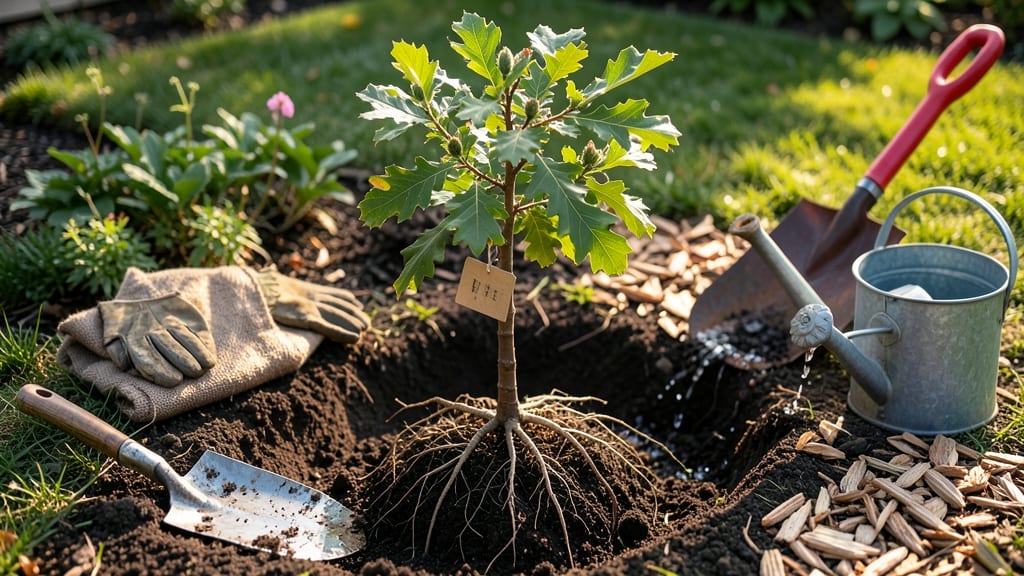
Timing your tree planting in Wisconsin isn't just about the calendar—it's about giving your 🌳 the best chance to thrive in the state's shifting seasons. If you plant too early, frost can stunt young roots, while waiting too long risks exposing bare roots to winter's bite.
The best window for planting trees in Wisconsin actually depends on whether you're in the northern 4b zones or southern 5b regions, where frost dates can vary by weeks.
Most Wisconsin gardeners swear by early spring planting between April and May, when soil temperatures rise but the risk of hard frost has passed.
But fall planting in September or October offers another prime opportunity—just be sure to plant at least 4-6 weeks before the first frost hits your area. This timing lets roots establish before winter dormancy sets in.
What makes Wisconsin's planting schedule tricky is the state's microclimates, where urban areas might warm up faster than rural spots. Evergreen trees like spruce or pine need slightly different care than deciduous varieties like oak or maple, and container-grown trees can be planted outside these windows if handled properly.
Let's break down exactly how to match your tree species to Wisconsin's planting calendar for maximum success.
Whether you're restoring a backyard canopy or adding shade to your property, getting the timing right means healthier trees that grow stronger and live longer.
I'll walk you through the specific months that work best for your Wisconsin location, plus pro tips to avoid common planting mistakes that could set your new trees back for years.
Wisconsin’s tree planting zones: when to plant by region and climate type
Wisconsin’s USDA hardiness zones 4b-5b create distinct planting windows, where timing is everything for root establishment. The state’s northern regions (like Superior) experience earlier frosts, while southern areas (Madison, Milwaukee) enjoy longer growing seasons. Understanding these zones helps you avoid frost heave in spring or dormancy stress in fall.
For most of Wisconsin, early spring (April-May) and fall (September-October) are ideal. Bare-root trees planted in early spring take advantage of thawing soil, while fall planting lets roots establish before winter. Container-grown trees offer more flexibility but still thrive best outside extreme heat or frost.
🌱 Microclimates matter: Wisconsin’s Driftless Region (southwest) often sees 10-14 days earlier frost-free dates than northern areas. Check your last frost date (typically mid-April to early May) and first frost (usually mid-October) for your specific county.
Soil temperature is critical—roots need 40°F+ soil to grow. Use a soil thermometer to confirm readiness. In northern Wisconsin, wait until late April or May, while southern regions can plant as early as March-April for hardy species like oak or maple.
🌿 Fall planting (September-October) is ideal for bare-root trees because cooler temps reduce transplant shock and encourage root growth before dormancy. Aim to plant 4-6 weeks before the first hard frost—typically by October 15 in most zones.
Here’s how Wisconsin’s zones break down for planting:
🌳 Pro tip: Use container-grown trees in late spring (June) if you miss the ideal window—they adapt better to established soil. However, avoid planting in summer heat (July-August), as high temperatures stress roots.
For evergreen trees (like spruce or pine), plant in early fall to allow roots to establish before winter dormancy. Deciduous trees (oak, maple) handle spring planting best, as their roots grow rapidly with leaf emergence.
Always amend soil with compost or peat moss to improve drainage, especially in clay-heavy soils common in Wisconsin. Mulch heavily (3–4 inches) to retain moisture and regulate soil temperature—critical for root zone protection.
💧 Watering matters: Newly planted trees need 1–1.5 inches of water weekly (deep soak, not frequent light watering). Use a soaker hose to avoid disturbing roots, and monitor for wilting leaves in dry spells.
Best tree species for Wisconsin planting: matching varieties to seasonal windows
Wisconsin’s diverse climate means not all trees thrive in the same planting window. Deciduous trees like oak and maple prefer the early spring (April-May) when soil warms, while evergreens such as pine or spruce handle fall planting better due to their slower growth.
Native species like serviceberry or dogwood adapt well to Wisconsin’s variable frost dates, making them ideal for both seasons.
For bare-root trees, the fall planting window (September-October) is critical—roots establish before winter dormancy.
Container-grown trees, however, offer flexibility; they can be planted almost year-round, but avoid extreme heat or frost. Fast-rooting varieties like birch or hackberry are perfect for fall, while drought-resistant red oak or bur oak excel in spring.
Here’s how to match your tree species to Wisconsin’s planting calendar for maximum success:
| Tree Species | Best Planting Window | Root Establishment Tip | Wisconsin Adaptability |
|---|---|---|---|
| Oak (White, Red, Bur) | Early spring (April-May) | Deep watering weekly | Drought-tolerant once established |
| Maple (Sugar, Red, Silver) | Fall (September-October) or early spring | Mulch heavily to retain moisture | Thrives in USDA Zones 3-5 |
| Birch (Paper, Yellow) | Fall (September) or early spring | Fast root growth—water bi-weekly | Adapts to clay soils common in WI |
| Pine (White, Red, Scotch) | Fall (September-October) | Avoid waterlogging—drainage is key | Evergreen—ideal for windbreaks |
| Serviceberry | Early spring (April) or fall | Partial shade tolerance | Native pollinator magnet |
| Dogwood (Flowering) | Fall (September) or early spring | Rich, moist soil preferred | Susceptible to anthracnose—watch for fungal spots |
If you’re planting container-grown trees, Wisconsin’s late spring (June) or early fall (August) can work, but avoid summer heatwaves or winter frosts.
For bare-root trees, stick to the 4-6 week window before the first frost—this gives roots time to knit before dormancy. Native species like hackberry or tulip tree are low-maintenance choices for Wisconsin gardeners, while ornamental varieties like Japanese maple need extra care in colder zones.
Pro tip: Test your soil before planting—Wisconsin’s clay-heavy soils in the north benefit from compost amendments, while sandy soils in the south may need organic matter to retain moisture. Adjust your planting timeline based on soil temperature: roots need 40°F+ soil to grow actively.
For urban areas like Milwaukee or Madison, microclimates can shift planting windows by weeks. Check local frost-free date maps (available from UW Extension) to fine-tune your schedule. With the right species and timing, your Wisconsin trees will establish strong roots and thrive for decades.