
Plants
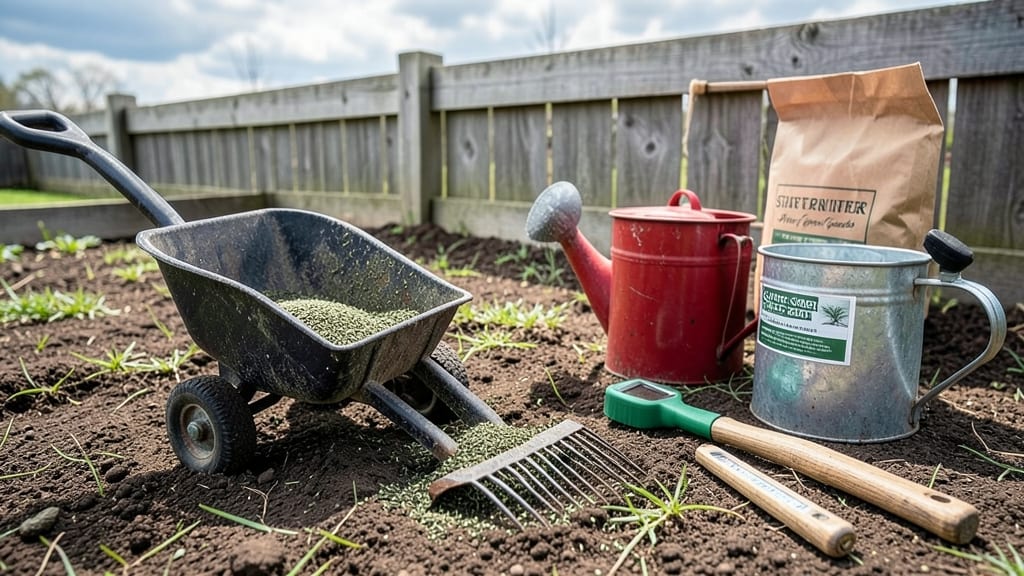
Optimal Indiana grass seed planting windows by soil temperature and season
Indiana’s USDA Zone 5-6 climate creates unique challenges for lawn care, but timing your grass seed planting right can transform your yard from patchy to picture-perfect.
The best planting windows align with soil temperatures between 50°F and 65°F, which typically occur in early spring and fall—avoiding the extreme heat of summer or freezing winter months.
For cool-season grasses like Kentucky Bluegrass and Tall Fescue (the most popular choices for Indiana), late August to early October is ideal. These grasses establish roots before winter, giving them a head start in spring.
Meanwhile, warm-season grasses like Bermuda or Zoysia prefer late spring to early summer, though they’re less common in Indiana’s cooler climate.
Here’s why these seasons work best: Spring planting (March-April) lets seeds germinate as soil warms, while fall planting (September-October) avoids summer heat stress. Both periods offer consistent moisture and moderate temperatures—critical for seedling success.
In Indiana’s humid climate, proper timing also reduces disease risks like fungal growth, which thrives in hot, wet conditions.
🌱
Indiana’s northern regions (like Gary or South Bend) may need to adjust planting 1-2 weeks later than southern areas (like Evansville or Indianapolis) due to cooler soil temperatures.
Use a soil thermometer ($10 at garden centers) to confirm your lawn’s readiness—aim for consistent daytime temps above 50°F for at least 5 days before planting.
Pro tip: If you’re overseeding an existing lawn, late summer (August) is perfect because warm soil speeds up germination while cooler nights reduce stress on mature grass. For new lawns, early fall gives seeds time to establish before winter dormancy.
Always test your soil’s pH (ideal range: 6.0-7.0) before planting—Indiana’s clay-heavy soils often need lime or sulfur adjustments for optimal growth.
Remember, Indiana’s unpredictable weather can throw off timing. Check the National Weather Service for 7-day forecasts before planting, and avoid seeding after heavy rain or during droughts.
With the right timing, your grass will germinate in 14-21 days and reach mowing height in 6-8 weeks—transforming your yard into a lush, green carpet by next summer.
🌿
How to check soil temperature and prepare Indiana lawns for planting success
Before you rush out to buy grass seed and start planting, Indiana’s variable climate demands careful preparation. The key to a thriving lawn begins with understanding your soil temperature—it’s the silent factor that determines whether your seeds will sprout or rot.
Most cool-season grasses (like tall fescue and Kentucky bluegrass) thrive when soil temps hover between 50°F and 65°F, while warm-season grasses (like Bermuda) prefer 65°F to 75°F. If you plant too early or late, you risk slow germination or seed death.
Testing your soil temperature is simpler than you think. Grab a soil thermometer (available at garden centers for under $10) and check the temperature about 2 inches deep—this mimics the depth where seeds will germinate.
For Indiana’s spring planting, aim for 50°F or warmer consistently for at least a week. In fall, shoot for 60°F to 65°F and plant 4-6 weeks before frost to allow roots to establish before winter sets in.
Once your soil is prepped, choose the right grass seed for your Indiana climate. Tall fescue and Kentucky bluegrass are top picks for their drought tolerance and resilience to Indiana’s humid summers and cold winters.
Spread seeds evenly with a broadcast spreader, then lightly rake to ensure seed-to-soil contact. A thin layer of straw mulch (¼ inch thick) helps retain moisture and protect seeds from birds.
After planting, water deeply and frequently—keep the top 2 inches of soil moist but avoid soggy conditions, which can suffocate seeds. Watering in the early morning reduces evaporation and fungal risks.
Within 7–14 days, you should see sprouts emerging. If germination is slow, check for consistent moisture and adequate sunlight—both are critical for young grass to thrive.
Pro tip: Mark your calendar for 6–8 weeks post-planting to apply a starter fertilizer (high in phosphorus) to encourage root development. This small step can make the difference between a thin, weak lawn and a lush, resilient carpet that stands up to Indiana’s unpredictable weather. 🌱