
Plants
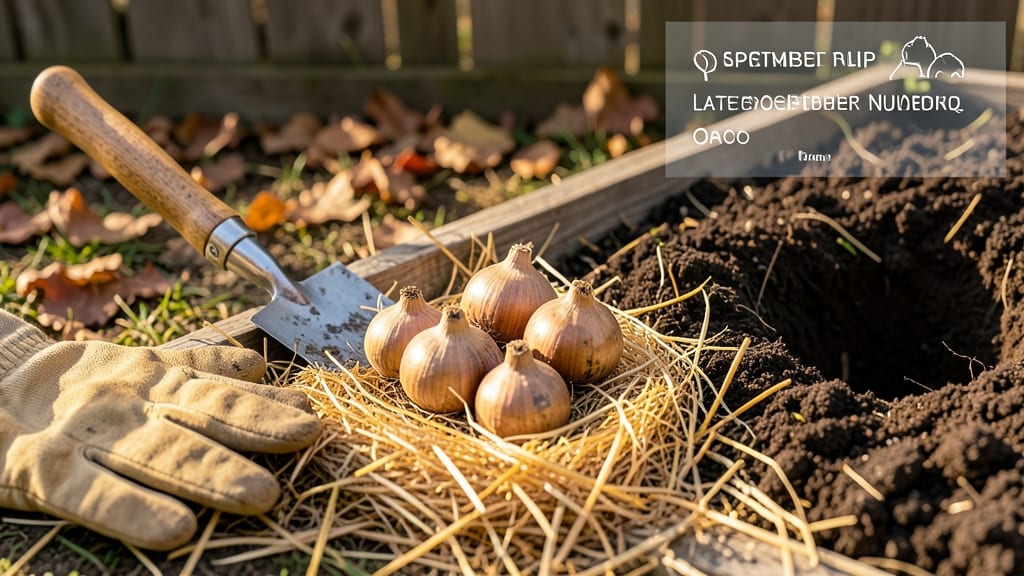
Planting tulips in Ohio isn't just about grabbing bulbs and digging holes—it's about catching a narrow window that guarantees those vibrant 🌷 blooms next spring.
With Ohio's USDA Zone 6a climate, timing matters more than you might think, and missing the mark could leave you staring at bare soil where colorful flowers should be.
Most gardeners in Ohio know the general rule: plant in fall, but the exact dates can feel like a moving target. Between October and November, the ground cools just enough to encourage root growth while still protecting bulbs from freezing.
This 4-6 week window before the ground freezes is your golden opportunity to set up next year's spring display.
Why does this matter? Because tulips need time to establish roots before winter dormancy kicks in. Plant too early, and bulbs might sprout prematurely. Plant too late, and they won't have enough time to anchor themselves before the cold sets in.
The key is understanding how Ohio's climate—especially in zones like yours—affects that perfect planting moment.
In this guide, I'll break down exactly when to plant tulips in Ohio, what to watch for in your specific zone, and how to prepare your soil for maximum success.
Let's get those bulbs in the ground at the right time so you can enjoy a burst of color come spring.
Ohio tulip planting dates by hardiness Zone: exact months for best results
Ohio’s USDA Zones 5-6 create a 6-week window for planting tulip bulbs, but timing varies by region. In northern Ohio (Zone 5), aim for mid-October to early November, while southern Ohio (Zone 6) gardeners can plant until late November—just before the ground freezes.
The key is planting when soil temperatures drop to 40–50°F—this triggers root growth before winter dormancy. Miss this window, and your tulips may not bloom as vigorously the following spring.
For example, Columbus (Zone 6a) typically plants in October 15–November 15, while Toledo (Zone 5b) should plant by October 20–November 1.
🌱 Ohio Tulip Planting Timeline by Zone
| USDA Zone | Ideal Planting Window | Last Safe Planting Date | Soil Temp Threshold |
|---|---|---|---|
| Zone 5 (Northern OH) | Mid-October to early November | October 20–November 1 | 40–50°F |
| Zone 6 (Southern OH) | Late October to late November | November 15–25 | 40–50°F |
| Columbus (Zone 6a) | October 15–November 15 | November 15 | 45–50°F |
| Toledo (Zone 5b) | October 20–November 1 | October 31 | 40–45°F |
💡 Pro Tip: Use a soil thermometer to confirm temperatures before planting.
If you’re in Zone 5 and miss the window, store bulbs in a cool, dry place (35–40°F) until you can plant. For Zone 6, late November plantings are riskier but possible if the ground hasn’t frozen solid. Always plant 6–8 inches deep and 4–6 inches apart for optimal growth.
For spring blooms, focus on planting in October–November. If you want fall foliage (like Darwin Hybrid tulips), plant early September—they’ll bloom slightly earlier in spring but also produce striking leaves in autumn.
Ohio’s first hard frost (typically October 15) signals the start of the planting rush. Rush-hour gardeners often see 50% fewer blooms if they plant too late, so mark your calendar now! Use a planting calendar or local frost date guide to stay on track.
In Columbus, where I garden, I always aim to finish planting by November 1. Last year, I planted a few bulbs on November 10, and they barely bloomed—lesson learned! For Toledo, I push the deadline to October 31 to account for earlier frosts.
Don’t forget: Bulbs need chilling to bloom. If you plant too early (e.g., September), they may sprout but won’t flower until the following year. The 6-week rule before freezing is your best friend for reliable blooms.
For container gardening, plant tulips in October and move pots to a garage or shed before winter. This extends your planting window by 2–3 weeks and protects bulbs from freeze-thaw cycles.
Finally, soil preparation matters just as much as timing. Amend your soil with compost and a balanced fertilizer (5-10-10) before planting. This ensures your tulips have the nutrients they need to push through Ohio’s chilly springs and bloom beautifully.
With these Ohio-specific dates, you’ll be well on your way to a showstopping spring display—just in time for Mother’s Day or Easter celebrations! 🌷
Critical factors that determine your Ohio tulip planting timeline
Ohio’s tulip planting success hinges on three critical factors: soil temperature, frost dates, and bulb chilling requirements. Get these wrong, and your bulbs might rot before winter or sprout too early.
The ideal soil temperature for planting is between 40–50°F, signaling the ground is cool enough for root growth but not yet frozen.
Most of Ohio falls under USDA Zone 6a, where the first hard frost typically arrives around October 15. This means you’ve got roughly 4–6 weeks to plant bulbs before the ground freezes solid.
If you miss this window, your tulips won’t establish roots properly, leading to weak or no blooms next spring.
Tulip bulbs also need a period of vernalization—a cold snap—to trigger flowering. Ohio’s winters naturally provide this, but if you’re planting late or in a warmer microclimate (like near a heat-retaining wall), bulbs may not get enough chill.
This is why October is the safest month for most gardeners in the state.
⚠️ Warning: Late Planting Risks
Planting tulips too late—after November 15 in most of Ohio—can lead to:
- Rot before winter: Bulbs won’t dry out enough before freezing.
- Weak root growth: Roots won’t establish before dormancy.
- No blooms next spring: Bulbs may sprout but fail to flower.
🌱 Pro Tip: Use a soil thermometer to confirm temps are below 50°F before planting.
Another key factor is your local frost date. While Columbus and Cincinnati average their first frost around October 15–20, Toledo and northern Ohio (like Cleveland) can see frost as early as October 5.
Check your last frost date and plant bulbs 4–6 weeks before to ensure roots have time to grow.
If you’re unsure about timing, consider storing bulbs in the fridge (at 35–40°F) until soil temps drop. This mimics natural chilling and gives you flexibility. Just avoid planting after the ground freezes—frozen soil is a death sentence for tulip bulbs.
Finally, don’t overlook soil preparation. Tulips thrive in well-draining, slightly acidic soil (pH 6.0–7.0). Amend heavy clay soil with compost or sand to prevent bulb rot. A quick soil test before planting can save you from costly mistakes.
By paying attention to these factors, you’ll give your tulips the best shot at vibrant, long-lasting blooms next spring. And remember: the earlier you plant within the window, the stronger your roots will be by winter. 🌿