
Flowers
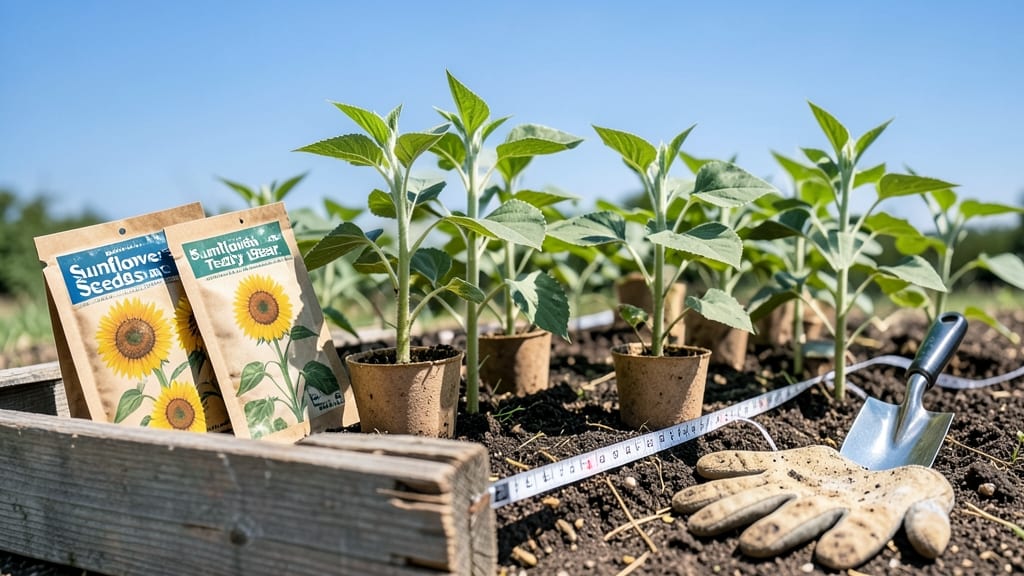
Planting sunflowers in Tennessee isn’t just about dropping seeds in the dirt—it’s about unlocking towering stalks and vibrant blooms that thrive in Zone 7a’s unique climate. The perfect window starts as early as mid-April, but timing matters more than you might think.
Too soon, and frost can stall growth; too late, and your sunflowers might never reach their full height potential.
Most gardeners in Tennessee focus on spring planting, but did you know fall options exist for late-season varieties? I’ll break down the exact months to plant for maximum height, plus how to adjust for your specific microclimate—whether you’re in the Nashville hills or the Memphis plains.
With the right approach, you could end up with sunflowers that rival your neighbor’s fence.
Beyond dates, soil prep and seed depth play a critical role in getting those 8–12-foot giants off to a strong start. We’ll cover everything from warming cold soil to spacing seeds correctly for optimal airflow.
Whether you’re a first-time gardener or a seasoned pro, these tips will help you grow sunflowers that turn heads—and maybe even attract some feathered friends to your yard.
Ready to transform your garden into a sunflower paradise? Let’s dive into the step-by-step guide that’ll have your plants reaching for the sky by summer. Your tallest, healthiest sunflowers are just a few weeks away—if you plant them right.
Best sunflower planting times in Tennessee (Zone 7a) for maximum height
Sunflowers thrive in Tennessee’s Zone 7a climate, but timing your planting is critical to unlock their full 8–12-foot potential. The ideal window spans from mid-April to late June, aligning with soil temperatures and frost-free conditions.
Planting too early risks frost damage, while late sowing may yield shorter stalks due to shorter daylight hours.
For tallest sunflowers, aim to sow seeds when soil temperatures consistently reach 50°F or warmer. In Tennessee, this typically occurs 4–6 weeks after the last frost date, which varies by region.
Urban areas like Nashville may experience warmer microclimates, allowing earlier planting, while rural zones might need to wait until late April.
Here’s the exact planting timeline for Tennessee’s Zone 7a:
| Planting Stage | Zone 7a Window | Key Considerations |
|---|---|---|
| Early Varieties | Mid-April to early May | Soil temp ≥50°F; risk of late frost |
| Standard Varieties | Late May to early June | Optimal for tallest stalks (8–12 ft) |
| Late Varieties | Mid-June to early July | Shorter season; choose fast-maturing types |
🌱 Pro Tip: Use black plastic mulch to warm soil faster for early plantings.
Tennessee’s frost-free days (typically 160–200 days) dictate your planting window. For maximum height, prioritize planting in May, when days are longest and temperatures are stable. Early May plantings benefit from 6+ hours of sunlight daily, which sunflowers crave for robust growth.
Adjust for microclimates: Urban gardens in Memphis may plant 2 weeks earlier than rural areas in the Cumberland Plateau. Monitor local frost dates—use the National Weather Service or Almanac tools to refine your schedule.
A late frost in April can devastate seedlings, so err on the side of caution.
For tallest sunflowers, focus on soil preparation. Amend your garden with compost to improve drainage, and avoid over-fertilizing with nitrogen, which promotes leafy growth over stems. A balanced 10-10-10 fertilizer applied at planting time supports strong root development.
If you’re aiming for cut flowers or seed production, plant in early June to extend the season. Late plantings may not reach maturity before Tennessee’s first frost in mid-October, but varieties like ‘Autumn Beauty’ can tolerate cooler temperatures better than standard types.
Remember: Sunflowers are fast growers—some varieties reach 5 feet in just 60 days. By planting in the optimal Zone 7a window, you’ll ensure your sunflowers have enough time to bolt, flower, and mature before winter sets in.
For urban gardeners, consider container planting to create microclimates. Large pots with heat-retaining fabric can extend the growing season by 1–2 weeks, giving your sunflowers a competitive edge in Tennessee’s shorter summer.
🌻
Best sunflower planting times in Tennessee (Zone 7a) for maximum height
In Tennessee’s Zone 7a, the ideal window for planting sunflowers spans from mid-April to late June, but the exact timing depends on your last frost date and variety. Most gardeners aim for 4–6 weeks after the average last frost (typically mid-April in Nashville or late March in Memphis).
Planting too early risks frost damage, while late planting may result in shorter stalks before winter.
For tallest sunflowers (8–12 feet), prioritize early-to-mid spring planting. Varieties like ‘Russian Giant’ need a full growing season, so don’t wait past early June. If you’re in a cooler microclimate (like the Appalachian foothills), start seeds indoors 2–3 weeks before the last frost to extend your season.
| Planting Window | Soil Temp | Best Varieties | Height Potential |
|---|---|---|---|
| Mid-April to May 15 | 50°F+ | Russian Giant, Mammoth | 10–16 ft |
| May 16 to June 15 | 55°F+ | Autumn Beauty, Teddy Bear | 5–8 ft |
| June 16–July 1 (late) | 60°F+ | Moulin Rouge, Sunspot | 3–6 ft |
Soil temperature is critical—wait until it hits at least 50°F at a 2-inch depth. Use a soil thermometer to check; cold soil slows germination. In urban areas with heat islands (like downtown Nashville), soil warms faster, so you can plant 1–2 weeks earlier than rural zones.
Conversely, higher elevations (e.g., Great Smoky Mountains) may need a delayed start.
For maximum height, plant seeds 1 inch deep and 6 inches apart in rows spaced 2–3 feet apart. Thin seedlings to 12–18 inches apart once they’re 4–6 inches tall—this reduces competition and encourages taller growth.
If you’re short on space, dwarf varieties like ‘Teddy Bear’ (3–4 feet) work well in containers or small gardens.
Pro tip: Warm your soil faster by covering beds with black plastic mulch 1–2 weeks before planting. This raises soil temps by 5–10°F, giving seedlings a head start.
Just remove the plastic once seeds sprout to avoid overheating. Pair this with morning watering to keep roots cool during Tennessee’s summer heat.
Don’t overlook fall planting for late-season varieties like ‘Moulin Rouge.’ Sow seeds in early August for blooms before frost. Just ensure they have 90+ days to maturity—most Tennessee zones support this with proper care. With the right timing, you’ll have sunflowers reaching for the sky by summer’s end! 🌻