
Flowers
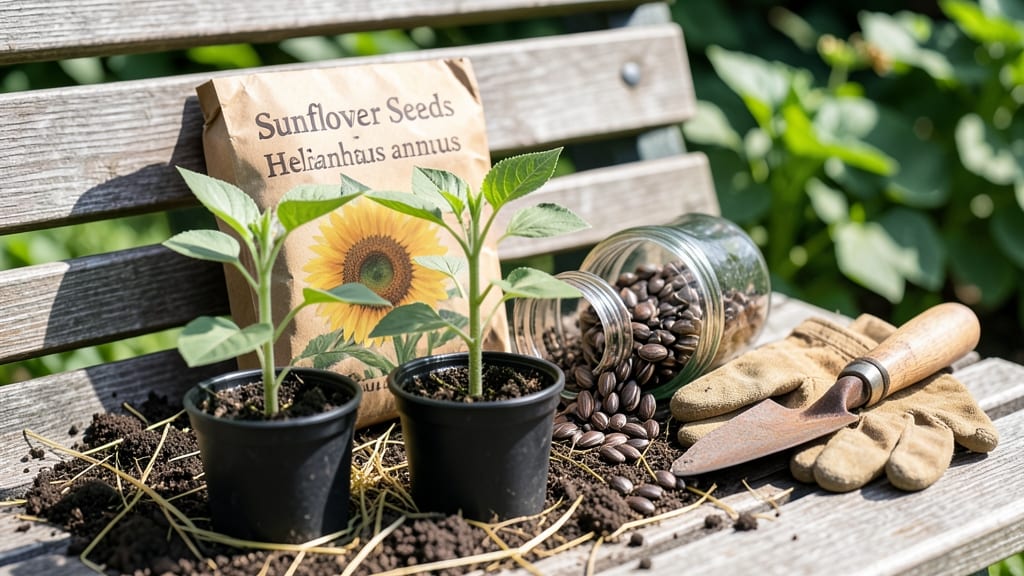
Timing your sunflower 🌻 planting in Oklahoma can mean the difference between towering 12-foot stalks and disappointing shrubs. With Oklahoma’s USDA zones 6a-7b and unpredictable spring weather, getting the window right is everything.
Most gardeners in Oklahoma plant between mid-April and early June, but your exact deadline depends on whether you’re in windy Panhandle plains or humid southeast valleys. The key is waiting until soil warms to 50°F—too early, and frost will nip your seedlings.
I’ll break down the perfect planting schedule for your specific microclimate, plus pro tips to extend your growing season for maximum height. Whether you’re aiming for giant Mammoth varieties or cheerful Autumn Beauty blooms, this guide ensures you don’t miss your chance.
Ready to grow sunflowers that rival Oklahoma’s skyline? Let’s dive into the exact dates—and avoid common mistakes—that’ll have your garden buzzing with success.
Oklahoma sunflower planting deadlines by USDA zone (with microclimate adjustments)
Oklahoma’s sunflower planting window is tight—just 8-10 weeks to reach maturity before the first frost. In USDA zones 6b-7b, your best bet is mid-April to early June, but microclimates like the Panhandle (hotter, drier) or Arkansas River Valley (humid) demand adjustments.
Urban areas like Oklahoma City may experience heat islands that push planting 2 weeks earlier than rural zones.
Sunflowers need soil temperatures of at least 50°F (10°C) to germinate. Use a soil thermometer—Oklahoma’s clay-heavy soils in the southeast can stay cold longer.
In northern Oklahoma (zone 6b), wait until after May 1 to avoid late frosts, while southern Oklahoma (zone 7b) gardeners can start as early as late March in protected microclimates.
Here’s your zone-specific planting timeline with microclimate tweaks:
| USDA Zone | Optimal Planting Window | Microclimate Adjustments | Soil Prep Tip |
|---|---|---|---|
| 6b (Northern OK) | Mid-April to May 15 | Wait until soil warms; use black plastic mulch | Add compost to improve drainage |
| 7a (Central OK) | Late March to early June | Urban areas: plant 2 weeks early | Test pH; amend if below 6.0 |
| 7b (Southern OK) | Late February to mid-June | Humid zones: use raised beds | Mulch to retain moisture |
| Panhandle (Zone 7a/8a) | Early April to late May | Windbreaks needed; plant near fences | Water deeply at planting |
For late-season sunflowers, try a succession planting in early July—just 60 days before your average first frost. Varieties like ‘Autumn Beauty’ thrive in cooler fall temps and produce stunning bicolor blooms. In humid southern Oklahoma, this avoids powdery mildew that plagues summer plantings.
Pro tip: Oklahoma’s clay soil can suffocate sunflower roots. Mix in 2-3 inches of compost or sand to improve aeration. In sandy soils (common in the Panhandle), add organic matter to retain moisture. Always plant seeds 1 inch deep—deeper plantings risk rot, while shallower ones fail to germinate.
If you’re in zone 6b and worried about frost, opt for ‘Mammoth’ sunflowers—they mature in 80-100 days, giving you a buffer. For southern Oklahoma’s longer season, ‘Russian Giant’ can reach 14+ feet with proper care.
Just remember: overcrowding stunts growth, so space seeds 6-12 inches apart depending on variety.
Monitor your local frost dates—Oklahoma’s last frost averages March 15, but urban areas can be 2 weeks later. Use a frost calendar from your county extension office for precise timing. For container growing, plant 2 weeks later than in-ground—pots heat up faster and dry out quicker.
Once planted, consistent moisture is key. Oklahoma’s summer heat can dry soil quickly, but overwatering causes root rot. Aim for 1-2 inches of water weekly, delivered in the early morning to reduce fungal risks. Mulch with straw or wood chips to lock in moisture and keep roots cool.
Don’t forget: Sunflowers are heliotropic—they follow the sun! In Oklahoma’s intense sunlight, this means sturdy stems and larger blooms. If you notice leaning stalks, add a light stake early to prevent snap-off in windy conditions, especially in the Panhandle.
How to extend Oklahoma’s sunflower growing season for maximum height
Oklahoma’s sunflowers thrive with 180-220 frost-free days, but late summer heat can cut their growth short. To coax 12-foot stalks or taller, I’ve found three key strategies: succession planting, shade management, and mulching techniques that keep roots cool.
The right approach depends on whether you’re in windy Panhandle or humid southeast Oklahoma.
Start by choosing heat-tolerant varieties like ‘Mammoth’ (12-16 ft) or ‘Autumn Beauty’ (5-10 ft), which handle Oklahoma’s 100°F+ spells better than standard types. These varieties also resist bolting—when plants flower too early due to stress.
Plant your first batch in late April for northern zones, then stagger 2-week intervals through early June to ensure continuous blooms.
For northern Oklahoma (USDA 6b), focus on early spring planting (April 15-May 1) paired with late summer succession (August 1). The second crop benefits from longer daylight in September, giving flowers time to mature before first frost (mid-November).
In southern Oklahoma (USDA 7b-8a)July 15-August 15—just ensure soil stays above 60°F for germination.
My secret weapon? Reflective mulch (aluminum foil under black plastic) near the base of young plants. It boosts sunlight by 20% and keeps roots 5°F cooler during Oklahoma’s brutal July.
Pair this with drip irrigation set to early morning (before 8 AM) to prevent fungal diseases like powdery mildew, which thrives in Oklahoma’s 90% humidity spells.
Don’t forget companion planting! Pair sunflowers with bush beans or marigolds to improve soil nitrogen and deter pests. In windy areas (Panhandle)corn stalks or tall grasses as natural windbreaks. These tricks have helped my ‘Russian Giant’ sunflowers hit 14 feet in USDA Zone 7a—despite Oklahoma’s unpredictable weather.
Finally, harvest strategically: Cut stems when back of flower head turns yellow-brown (not when petals droop). Hang heads upside-down in a dry, dark place for 2-4 weeks to dry seeds completely.
Save the best seeds for next year’s succession plantings—they’ll be adapted to Oklahoma’s climate and ready to grow even taller.