
Plants
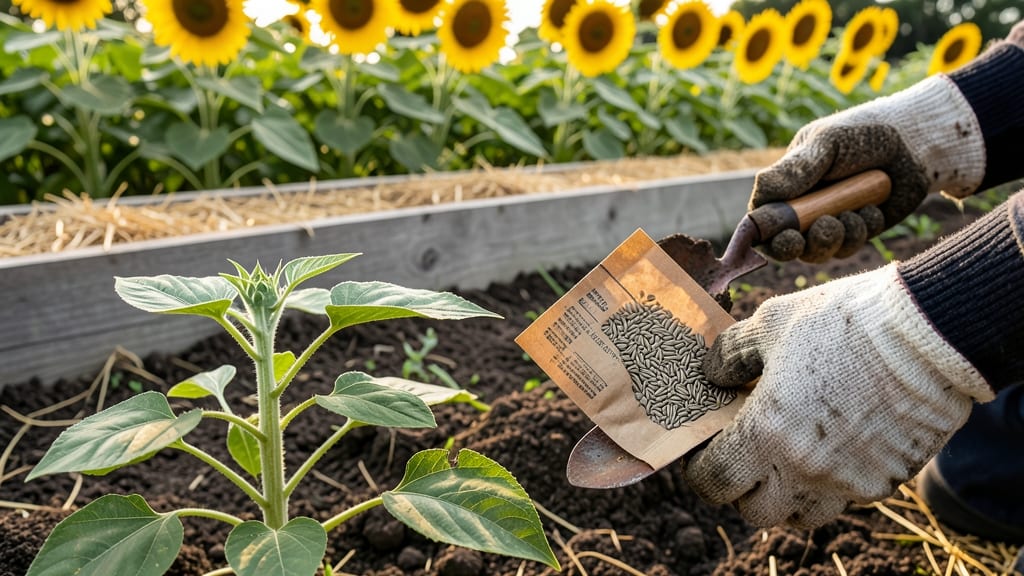
Planting sunflower seeds in Ohio at the right time means the difference between a stunning summer garden and a sad, wilted disappointment. With Ohio's variable climate—especially in Zone 6a—knowing when to plant your 🌻 seeds can feel like a gamble.
But don’t worry: timing these cheerful giants correctly ensures they thrive from mid-April through early June, giving you those iconic blooms from late summer to fall.
Most gardeners in Ohio wait until after the last frost date—typically around April 15—when soil temperatures hit at least 55°F. This window aligns perfectly with sunflowers' love for warmth, but Ohio’s unpredictable springs mean you’ll need to stay flexible.
Whether you’re sowing directly into the ground or starting indoors, getting this timing right is the key to avoiding stunted growth or early frost damage.
What if you miss the ideal window? No stress—Ohio’s growing season is forgiving if you choose the right varieties. Some sunflowers, like early-blooming dwarf types, can handle cooler soils, while taller varieties need that perfect balance of warmth and moisture.
I’ll break down the best types for Ohio’s climate and how to adjust your planting schedule based on your specific zone.
Ready to grow sunflowers that reach for the sky? Let’s dive into the exact planting dates, soil prep tips, and variety recommendations that will turn your Ohio garden into a sunflower paradise.
You’ll learn how to beat frost, extend your blooming season, and even troubleshoot common mistakes—so your 🌻 stand tall and proud all season long.
Ohio sunflower planting dates by hardiness Zone (5-7) and frost-free guidelines
Ohio’s sunflowers thrive when planted after the last frost, but the exact timing varies by zone and microclimate. Most of Ohio falls within USDA Zones 5-7, where frost-free dates range from mid-April in southern Ohio to late May in the northern regions.
For example, Columbus typically sees its last frost around April 15, while Cleveland may wait until May 1. Always check your local frost date averages from the Ohio State University Extension for precision.
Sunflower seeds need soil temperatures of at least 55°F (13°C) to germinate properly. In Ohio, this usually aligns with late April to early May, but cooler springs may delay planting until early June.
Use a soil thermometer to confirm readiness—planting too early in cold soil can stunt growth or cause rot. If you’re eager to start, consider indoor seed starting 2-3 weeks before your last frost date for a head start.
Direct sowing is the best method for sunflowers in Ohio, as they hate transplanting. Sow seeds 1 inch deep and 6-12 inches apart, depending on the variety. For succession planting, stagger seeds every 2-3 weeks from mid-April through early June to enjoy blooms all summer.
This strategy also helps extend your harvest window for seeds and cut flowers.
Ohio’s hardiness zones play a critical role in timing. Zone 5 (northwest Ohio) has a later last frost (May 10), while Zone 7 (southern Ohio) can plant as early as March 20 in mild winters.
Use this zone-specific guide to avoid common mistakes like planting too early in cold soil or missing the window entirely due to late frosts.
| Zone | Last Frost Date | Ideal Planting Window | Soil Temp Requirement | Notes |
|---|---|---|---|---|
| 5 (NW Ohio) | May 10 | Late May - Early June | 55°F+ | Wait for warm soil; use row covers if frost threatens. |
| 6 (Central Ohio) | April 15 | Mid-April - Late May | 55°F+ | Columbus area; plant early varieties first. |
| 7 (Southern Ohio) | March 20 | Late March - Early June | 50°F+ (earlier starts possible) | Warmest zone; great for early blooms. |
If you miss the spring window, don’t despair—sunflowers can handle late starts! Plant seeds as late as early June for fall blooms, though expect smaller flowers. For container gardening, dwarf varieties like ‘Teddy Bear’ can tolerate slightly cooler soils and later plantings.
Always choose disease-resistant varieties like ‘Autumn Beauty’ or ‘Moulin Rouge’ to combat Ohio’s humid summers.
Ohio’s microclimates add another layer of complexity. Urban areas like Cincinnati may experience heat islands, allowing earlier planting, while rural areas might see later frosts. Monitor local weather forecasts and use frost cloth if nighttime temperatures dip below 40°F (4°C) after planting.
This extra protection can buy you 2-3 extra weeks of growing time in unpredictable springs.
For transplanting seedlings, start seeds indoors 4-6 weeks before your last frost date. Harden off seedlings by placing them outdoors for 2-3 hours daily before transplanting after the frost-free date.
Avoid transplant shock by watering seedlings deeply the day before moving them to the garden. This method is ideal for short-season varieties or gardeners in Zone 5 with limited growing time.
Remember, sunflowers are drought-tolerant once established, but young plants need consistent moisture to germinate. Mulch around seedlings with straw or grass clippings to retain soil moisture and suppress weeds. This simple step can improve germination rates by 20-30% in Ohio’s variable spring rains.
Pair this with morning watering to prevent fungal diseases like powdery mildew, common in Ohio’s humid summers.
By aligning your planting with Ohio’s frost-free dates and soil conditions, you’ll set your sunflowers up for vibrant blooms from July through October. Whether you’re growing for cut flowers, birdseed, or sheer joy, mastering the timing ensures a bountiful harvest every season. Happy planting! 🌻
Best sunflower varieties for Ohio gardens: height, bloom time, and cold tolerance
Ohio’s diverse climate—from Zone 5’s cooler northern regions to Zone 7’s warmer southern areas—means not all sunflower varieties thrive equally. Some varieties, like 'Autumn Beauty', tolerate cooler soils and shorter growing seasons, while others, like 'Moulin Rouge', need warmth to reach their full height.
Choosing the right variety ensures your sunflowers bloom vibrantly from late summer through fall, even if your spring starts late.
For Ohio gardeners, dwarf varieties (1–3 feet tall) are ideal for containers or small spaces, while standard varieties (8–14 feet) dominate backyard borders.
Cold-tolerant types like 'Teddy Bear' can handle Ohio’s 55°F soil temperatures earlier in the season, while heat-lovers like 'Russian Giant' need the full warmth of June to thrive. Let’s break down the best options for your Ohio garden.
🌱 Variety Selection Guide for Ohio
| Variety | Height (ft) | Days to Bloom | Cold Tolerance | Best for Ohio |
|---|---|---|---|---|
| Teddy Bear | 1–3 | 60–70 | High (50°F soil) | Containers, early planting |
| Autumn Beauty | 3–5 | 80–90 | Moderate (55°F soil) | Cut flowers, succession planting |
| Moulin Rouge | 8–12 | 90–100 | Low (60°F soil) | Tall borders, full sun |
| Russian Giant | 10–14 | 100–120 | Low (65°F soil) | Late summer blooms, heat lovers |
| ProCut | 5–7 | 75–85 | Moderate (55°F soil) | Disease-resistant, cut flowers |
If you’re in northern Ohio (Zone 5), prioritize early-blooming varieties like 'Teddy Bear' or 'Autumn Beauty' to avoid frost damage. For southern Ohio (Zone 7), taller varieties like 'Russian Giant' can handle the heat and extend your blooming season into October.
Pro tip: Mix varieties for a continuous color show—plant dwarf types in May for early blooms, then sow taller varieties in early June for late-summer height.
Spacing is critical for Ohio’s sunflowers. Dwarf varieties need 12–18 inches apart, while giants like 'Russian Giant' require 24–36 inches to avoid crowding and disease. In tight spaces, consider semi-dwarf types like 'ProCut', which balance height and disease resistance perfectly for Ohio’s humid summers.
Mulch around your plants to retain moisture and keep roots cool during Ohio’s hot July afternoons.
For the best results, save seeds from your healthiest sunflowers to replant next year. Ohio’s climate favors open-pollinated varieties, so you’ll get true-to-type plants from saved seeds.
Just ensure they’re fully dry before storing in a cool, dark place—this ensures your sunflower legacy blooms year after year in your Ohio garden. 🌻