
Plants
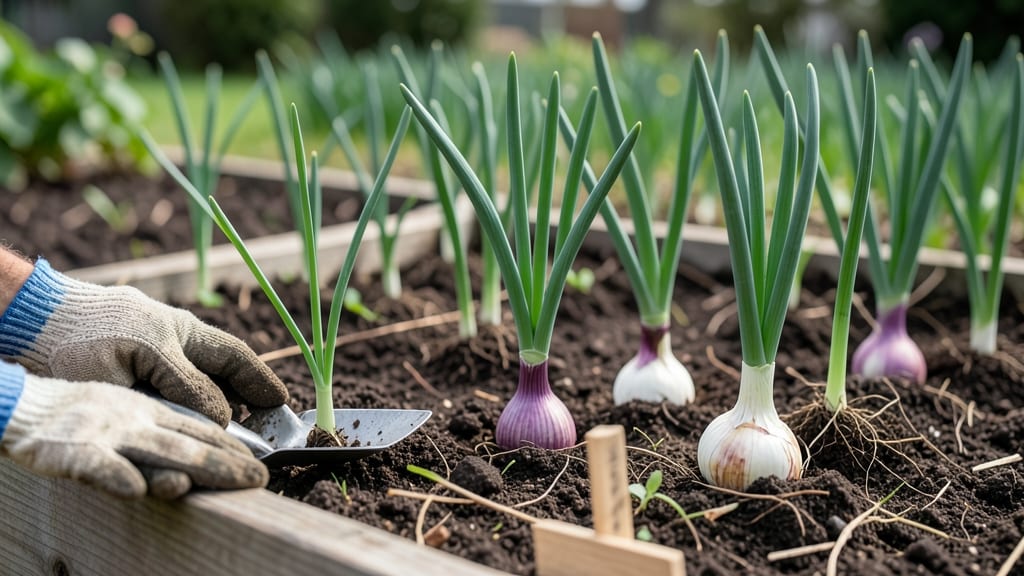
Planting onions in Oklahoma at the wrong time can turn your 🧅 dreams into disappointment—skipping the ideal window means bolting greens instead of plump bulbs. With USDA zones 6b-7a, you’ve got two golden chances: early spring or late summer/fall, each with its own secrets for success.
Most gardeners assume spring is the only option, but fall planting actually gives you an edge—especially for overwintering varieties that mature earlier. The key? Avoiding frost-sensitive stages while working with Oklahoma’s unpredictable weather patterns.
Whether you’re a first-timer or a seasoned gardener, getting the timing right means bigger yields and fewer headaches. I’ll break down exactly when to plant for your specific microclimate, plus pro tips to beat heat stress and erratic rainfall.
Ready to grow onions that actually bulb up? Let’s dive into the best planting windows and variety choices tailored for Oklahoma’s climate—so you can enjoy that fresh, homegrown harvest from May through September.
Oklahoma onion planting calendar: spring vs fall deadlines by variety
Timing your onion planting in Oklahoma is all about beating the heat and frost—two forces that can turn your plump bulbs into sad, bolted greens. Whether you're growing short-day, intermediate-day, or long-day varieties, the key is planting when soil temps hit 50°F and days are cooling.
For most of Oklahoma (USDA zones 6b-7a), that means two main windows: early spring and late summer.
Spring planting gives you summer harvests, while fall planting lets you overwinter bulbs for early spring meals. But here’s the catch: Oklahoma’s microclimates (think rural vs. city heat islands) can shift ideal dates by 2-3 weeks.
Rural areas stay cooler longer, while Oklahoma City’s urban sprawl traps heat, pushing planting deadlines earlier.
For direct-sowing (planting seeds or sets outdoors), aim for March 1-15 in spring or August 15-September 15 in fall. If you’re starting seeds indoors (for transplants), begin 8-10 weeks before your target outdoor date—so January for spring or June for fall plantings.
| Variety Type | Ideal Planting Window | Best For | Oklahoma City Deadline | Rural OK Deadline |
|---|---|---|---|---|
| Short-Day (e.g., 'Texas Early White') | Spring: Feb 20-Mar 10 Fall: Aug 15-Sep 1 |
Bulb production, storage | Spring: Mar 15 Fall: Sep 10 |
Spring: Mar 25 Fall: Sep 20 |
| Intermediate-Day (e.g., 'Yellow Granex') | Spring: Mar 1-15 Fall: Aug 15-Sep 15 |
Green onions, mild bulbs | Spring: Mar 20 Fall: Sep 20 |
Spring: Apr 1 Fall: Sep 25 |
| Long-Day (e.g., '1015Y') | Fall only: Aug 1-Sept 1 | Overwintering, large bulbs | Fall: Sep 5 | Fall: Sep 15 |
Pro tip: Use soil thermometers to confirm 50°F+ temps before planting—cold soil slows germination. In Oklahoma City, March 15 is your last frost date, but rural areas like Tulsa or Lawton can safely plant 2 weeks later.
For fall plantings, aim to harvest before first frost (Nov 15), or use row covers to extend the season.
If you miss the spring window, don’t panic—fall planting is your backup. Just choose long-day varieties like '1015Y' for overwintering success. These bulbs mature slowly, storing energy for next year’s harvest.
For green onions, you can even sow seeds every 2 weeks from spring to fall for a continuous supply!
Remember: Onion sets (pre-grown bulbs) are faster than seeds and ideal for Oklahoma’s short season. Plant them 1 inch deep, 4-6 inches apart, and mulch with straw to retain moisture. This method skips the slow germination phase, giving you a head start on bulbs.
For container growing, stick to short-day varieties in 5-gallon pots—they’ll tolerate Oklahoma’s heat better. Place containers in morning sun to avoid afternoon scorching. And if you’re in southern Oklahoma (zone 8), you can push spring planting to April 1 without risking frost damage.
One more critical note: Daylength matters. Short-day onions need less than 14 hours of light to bulb, while long-day types need 15+ hours. Oklahoma’s summer days exceed 14 hours, so spring-planted long-day onions will bolt (go to seed) instead of forming bulbs. Save those for fall!
🌱
How to adjust planting dates for Oklahoma’s unpredictable weather patterns
Oklahoma’s weather can throw curveballs—one day it’s 60°F, the next it’s 90°F with a surprise frost warning. These swings force onion growers to adapt planting dates or risk bolting or frost damage. The key is tracking soil temperatures and frost-free dates, not just calendar months.
For spring plantings, wait until the soil warms to 50°F (usually mid-March in Oklahoma City). Use a soil thermometer—cold soil delays germination and invites rot. Fall plantings? Aim for 8-10 weeks before first frost (late August in most zones), but push earlier if your microclimate runs cooler.
🌱 Pro Tip: Check the Oklahoma Mesonet for real-time soil temps and frost alerts. Their 30-day forecasts help you adjust planting by 1-2 weeks if extreme heat or cold is predicted.
⚠️ Warning: Avoid These Planting Mistakes
Planting too early in cold soil causes seed rot and slow germination.
Ignoring heat waves after planting leads to bolting (premature flowering).
Skipping row covers in fall extends the season by 2-3 weeks.
Use black plastic mulch in spring to warm soil faster, or straw mulch in fall to insulate roots. Both tricks let you plant 2 weeks earlier or later than the norm.
For example, in Tulsa’s Zone 7a, you might plant Texas Early White onions as early as February 15 with mulch.
If frost threatens young seedlings, cover them with frost cloth at night. This buys you 10-14 extra days of growth before transplanting. Conversely, if summer heat arrives early, opt for shade cloth to prevent bolting—especially for long-day varieties like 1015Y.
🌡️ Remember: Oklahoma’s microclimates vary wildly. Rural areas near Wichita Mountains stay cooler longer, while urban Oklahoma City can hit 100°F by June. Adjust your dates based on your specific location’s history.