
Plants
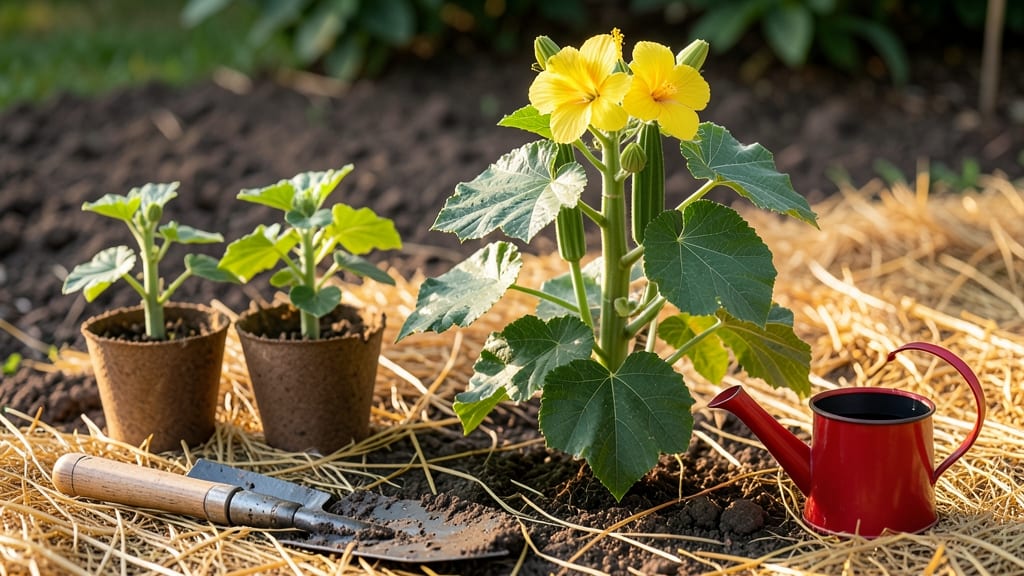
If you've ever wondered when to plant okra in Texas, timing is everything—especially when you're aiming for a bumper crop of those tender pods.
The Lone Star State's varied climate means North Texas gardeners have different rules than those in South Texas, where the heat arrives earlier and stays longer.
For most Texans, the sweet spot is between March and May, when soil temperatures finally climb above 60°F—the magic threshold for okra seeds to sprout without risking frost damage.
But don't wait too long; planting after June in North Texas can leave you scrambling to harvest before the first frost sneaks in around December 15.
Here’s the game-changer: heat-resistant varieties like 'Clemson Spineless' or 'Emerald' thrive in Texas summers, but they need the right start.
Whether you're in Zone 8a or 10b, I’ll break down the exact months to plant, how to extend your growing season, and which tricks keep your okra 🌱 producing pods from spring until fall.
Ready to turn your garden into a pod-producing powerhouse? Let’s dive into the best planting windows—and why a little patience now means bigger harvests later.
Best planting months for okra in Texas by region (with heat zones)
Texas’ diverse climate means okra planting times vary wildly—from North Texas’ chilly springs to South Texas’ early starts. I’ve grown okra across USDA Zones 7-10, and the difference between a bountiful harvest and a fizzled attempt often comes down to one month of perfect timing.
Let’s break it down by region so you can plant with confidence.
Okra thrives in heat and humidity, but it hates frost. In Texas, that means waiting until soil temperatures hit 60°F+—a rule I learned the hard way after losing seedlings to late-spring freezes in Dallas.
The key? Plant when your last frost date is at least 2 weeks behind you and the nighttime temps stay above 50°F.
Here’s the region-by-region breakdown of when to plant okra in Texas, including heat-resistant varieties that perform best in each zone. Use this as your planting calendar to avoid common mistakes like bolting or poor pod development.
🌱
In North Texas (Zones 7-8), like Amarillo or Fort Worth, you’ll want to wait until March to plant okra. The soil needs to warm to at least 60°F, and nighttime temps should stay above 50°F.
I’ve seen gardeners rush it in February only to watch their seedlings wilt overnight when a 30°F frost rolls in. Clemson Spineless is my go-to for this region—it’s fast-growing and heat-tolerant, giving you pods in 5
How to extend okra’s growing season in Texas heat (succession planting & shade tips)
Texas summers can turn okra into a heat-stressed mess if you don’t plan ahead. The key to maximizing pods lies in succession planting and protecting young plants from intense afternoon sun.
I’ve learned that staggered plantings every 2-3 weeks keep your harvest going from late spring to early fall—even in our brutal 100°F heat waves.
Start your first planting when soil temps hit 60°F+ (usually mid-March in North Texas and late February in South Texas). Then, sow new seeds every 2 weeks until mid-June.
This ensures you’re always harvesting fresh pods while older plants mature. For example, my Clemson Spineless plants in Zone 9 gave me pods from May through October using this method.
🌱Visual Tip: Use a soil thermometer to confirm temps before planting—okra seeds won’t germinate below 60°F, and soggy soil from cold snaps can rot them. I keep mine buried near seedling trays as a reminder.
🔹 Numbered Highlights for Texas Okra Success
- 1. Shade Cloth for Young Plants: Use 30-50% shade cloth for the first 2-3 weeks to protect seedlings from direct afternoon sun. My Emerald okra seedlings bolted last year when I skipped this step—now I never do!
- 2. Mulch Like a Pro: Apply 2-3 inches of straw mulch to retain moisture and keep roots 10°F cooler. Black plastic mulch also works but requires more frequent watering.
- 3. Drip Irrigation is Non-Negotiable: Water at the base of plants in the morning to avoid fungal diseases. I set my drip system to run for 30 minutes daily during peak heat.
- 4. Late-Season Care