
Plants
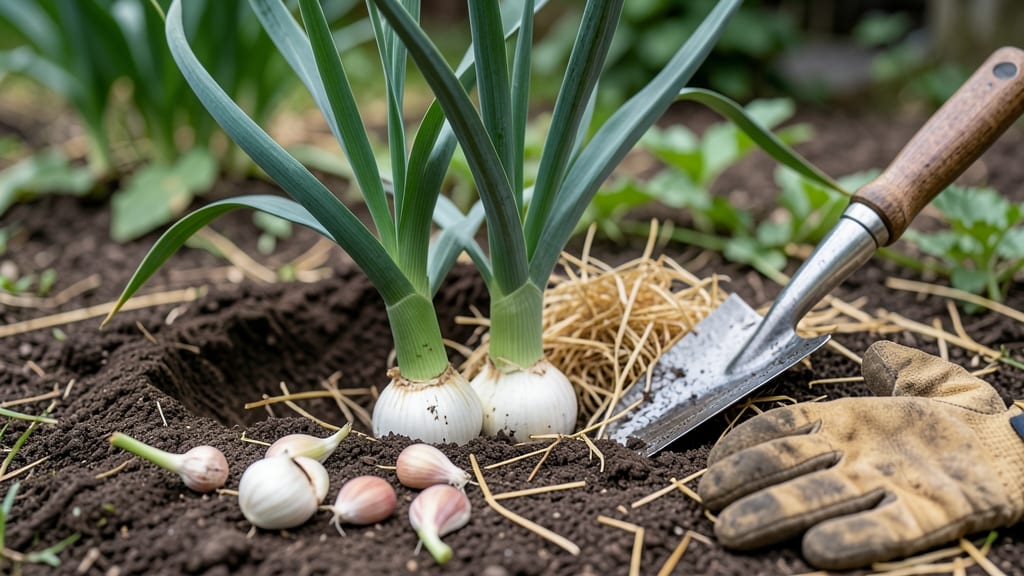
Planting garlic in Oklahoma isn’t just about tossing cloves into the dirt—it’s about matching your variety to the chill hours your zone delivers. With USDA zones 6b-7a bringing cold snaps and unpredictable winters, timing is everything for that perfect 🧄 harvest.
If you plant too early, your garlic might bolt before forming bulbs. Too late, and frost could damage emerging shoots. The ideal window—October through November—lets you sync growth with Oklahoma’s natural freeze-thaw cycle, ensuring strong roots before winter sets in.
But here’s the kicker: not all garlic thrives equally. Hardneck varieties need more chill hours than softnecks, and your location (northern vs. southern Oklahoma) shifts the perfect date. I’ll break down exactly when to plant each type—and how to prep soil for maximum success.
Skip the guesswork and get a foolproof schedule tailored to your microclimate. Let’s turn your garden into a garlic goldmine by nailing the timing.
Oklahoma garlic planting calendar: chill-hours breakdown by variety
Oklahoma’s chill-hour requirements (5,000–7,000 hours) dictate when to plant garlic varieties for optimal bulb development. Hardneck varieties like Rocky Mountain and Purple Stripe thrive with 6,000+ chill hours, while softneck types like Silverskin need fewer (4,000–5,000 hours).
Planting at the wrong time can stunt growth or prevent bulb formation entirely.
Northern Oklahoma (USDA Zone 6b) gets more chill hours than southern regions (Zone 7a). This means northern gardeners can plant earlier in fall, while southern gardeners should wait until late October or November to avoid premature sprouting.
Timing isn’t just about months—it’s about soil temperature and moon phases too.
Most Oklahoma gardeners plant garlic between October 15 and November 15, but this window shifts based on variety. Hardnecks like German Red or Chesnok Red need the full chill period, while softnecks like Artichoke can handle shorter winters. Let’s break down the best planting windows for each type.
🌱 Oklahoma Garlic Planting Calendar by Variety
| Variety Type | Chill Hours Needed | Best Planting Window | Notes |
|---|---|---|---|
| Hardneck (Rocky Mountain) | 6,000–7,000 hours | October 1–15 (North OK) October 15–31 (South OK) |
Best for flavor; needs full winter chill |
| Hardneck (Purple Stripe) | 5,500–6,500 hours | October 10–25 (All regions) | Adaptable to shorter winters |
| Softneck (Silverskin) | 4,000–5,000 hours | November 1–15 (All regions) | Stores longer; good for mild winters |
| Softneck (Artichoke) | 3,500–4,500 hours | November 10–30 (All regions) | Best for southern OK; minimal chill needs |
For northern Oklahoma (e.g., Oklahoma City or Tulsa), aim to plant by mid-October to ensure garlic gets enough cold before spring. In southern Oklahoma (e.g., Oklahoma City’s southern edge or Lawton), wait until late October or November to avoid early sprouting.
Even a few degrees difference in soil temperature can affect bulb size and strength.
Pro tip: Use a soil thermometer to check temps before planting. Garlic cloves should go into soil that’s 40–50°F. If your soil is warmer, wait a few weeks—rushing planting can lead to weak, small bulbs. Patience pays off with larger, more flavorful garlic.
Another key factor is moon phases. Planting during a waxing moon (when the moon is growing) is said to boost root development, while a waning moon may encourage top growth. While not scientifically proven, many Oklahoma gardeners swear by this method for stronger garlic plants.
If you’re new to growing garlic, start with hardneck varieties like Rocky Mountain or German Red. They’re more forgiving in Oklahoma’s climate and produce larger bulbs with flavorful cloves. Save softnecks for milder winters or if you prefer garlic that stores longer. Either way, timing is everything.
Remember: Garlic planted in fall will mature the following summer. In Oklahoma, this means harvesting between June and July, just as the lower leaves turn brown. Miss the window, and you might end up with bolting garlic (flowering) or poor bulb formation. Plan ahead!
For extra protection, especially in northern Oklahoma, add a 2–3 inch layer of mulch after planting. This insulates the soil and helps maintain consistent temperatures, which is crucial for bulb development. Use straw or leaves—just avoid heavy mulch that could compact the soil.
Best months to plant garlic in Oklahoma: soil temperature and moon phase tips
Timing your garlic planting in Oklahoma isn’t just about picking a month—it’s about syncing with soil temperatures and even the moon’s phases. The ideal window spans October through November, when daytime temps hover between 40–50°F and nights dip below freezing.
This chilly window triggers root growth before winter dormancy sets in.
Southern Oklahoma’s milder winters (USDA 7a) may allow planting as late as mid-November, while northern areas (USDA 6b) should aim for early October to avoid early freezes. Always check your local first frost date—Oklahoma’s typically lands around November 15—and plant 4–6 weeks before that date.
- Soil temp check: Use a soil thermometer—garlic roots need 40–50°F to establish.
- Moon phase: Plant during the waning moon (after full moon) for stronger bulbs.
- Northern OK: Aim for October 1–15 to avoid early freezes.
- Southern OK: Extend to November 1–15 for milder winters.
- Soil prep: Work in compost 2 weeks before planting for warm roots.
Don’t overlook moon phases—Oklahoma gardeners swear by planting garlic during the waning moon (the 7 days after a full moon). This timing supposedly channels energy downward, encouraging bulb development rather than leafy growth. While science may debate lunar effects, many report larger, firmer bulbs when following this ancient practice.
For soil prep, focus on drainage—garlic hates soggy roots. Amend heavy clay soil with sand or compost to create loose, crumbly beds. Test your soil’s pH too; garlic thrives in 6.0–7.0 range. If your soil is acidic, add lime 2 months before planting to adjust the balance.
Pro tip: Use cloves from organic sources to avoid disease. Break apart bulbs and plant individual cloves 2 inches deep, pointed end up. Space them 4–6 inches apart in rows 12 inches apart for easy harvesting.
Mulch heavily with straw or leaves after planting to insulate roots through winter’s fluctuations.
Remember, garlic planted in late fall will bolt in spring, but the bulbs will form properly with enough chill hours. If you miss the fall window, you can try a spring planting (February–March), but yields will be smaller and flavor milder.
The key? Don’t wait until December—your garlic needs time to establish roots before winter’s chill sets in.