
Companion Plants
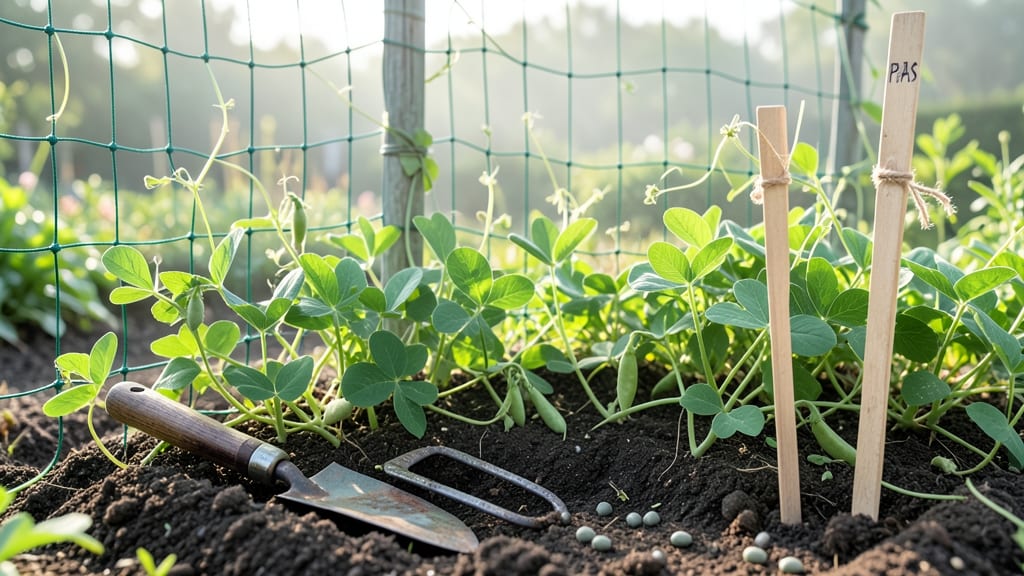
Planting peas in the UK at the right time means the difference between a bountiful harvest and wasted effort. Whether you're in frost-prone Scotland or milder Cornwall, timing your sowing to avoid late frosts is the key to success with these sweet little 🌱 pods.
Most gardeners in zones 8-9 (like London or Cornwall) can start sowing outdoors as early as March, while cooler regions like Scotland (zone 7a) should wait until late April to play it safe.
The secret? Planting 4-6 weeks before your last frost date ensures strong, frost-resistant seedlings ready to thrive.
But here's where it gets tricky: early varieties like 'Meteor' can go straight into the ground, while later types may need a head start under cloches or in a greenhouse. I'll show you exactly how to adjust your planting schedule based on your region and the peas you're growing.
Ready to avoid common mistakes and get your peas off to the best possible start? Let’s dive into the perfect planting timeline—plus soil prep tips and frost-proofing tricks—that’ll have you picking fresh peas all summer long.
UK pea planting timeline by region: frost-free dates explained
Peas thrive in cool weather but are frost-sensitive once sprouted. In the UK, planting too early risks frost damage, while late planting can reduce yields. The last frost date varies dramatically across regions—London averages mid-March, while Scotland often waits until mid-April.
Understanding your local frost window is key to timing sowing perfectly.
For optimal growth, aim to plant peas 4-6 weeks before your area’s last frost date. This gives seedlings time to establish roots before temperatures rise. In warmer regions like Cornwall, you can start as early as late February, while cooler Highland areas may wait until late March.
Always check your local Met Office frost forecast to refine timing.
Soil temperature matters too—peas germinate best in soil above 45°F (7°C). In colder regions, wait until soil warms naturally or use cloches to create a microclimate. A simple soil thermometer (£5-£10) ensures you’re ready to sow when conditions are ideal.
🌱
Autumn planting is another option for a late-season harvest. Sow peas in August-September for crops ready by October-November. This works best in milder regions like Cornwall, where first frosts arrive later. In colder areas, use row covers to extend the season and protect tender shoots.
For climbing varieties, plant near a fence or trellis to save space. Dwarf varieties (like 'Little Marvel') thrive in containers and can be moved indoors if frost threatens. Always choose frost-hardy varieties like 'Meteor' or 'Douce Provence' for early sowing.
Test your soil’s drainage before planting—peas hate waterlogged roots. Amend heavy clay with compost or grit to improve aeration. A pH of 6.0-7.0 is ideal; test kits (£10) are worth the investment for repeat growers.
🌿
Pro tip: Mark your last frost date on a calendar each year. Over time, you’ll spot local patterns—like urban areas warming faster than rural spots. Adjust your planting schedule accordingly for consistent success**.
How to adjust pea planting for early vs late varieties
Not all peas are created equal—and neither are their planting windows! Early varieties like 'Meteor' or 'Feltham First' can handle cooler soils, while late varieties such as 'Douce Provence' or 'Homesteader' need warmer conditions to thrive. The trick? Stagger your planting to enjoy a continuous harvest from June through October.
For dwarf varieties (like 'Little Marvel'), start sowing outdoors in late March to early April in most of England and Wales. These compact plants mature faster—typically in 60-70 days—so they’re perfect for early-season harvests. In cooler regions like Scotland, wait until mid-April to avoid frost damage.
Climbing varieties (e.g., 'Sugar Snap' or 'Telephone') take longer to mature—often 80-90 days—so I recommend sowing them 2-3 weeks later than dwarf types. This gives their vines time to establish before the rush of summer growth. Use trellises or pea netting to save space and improve air circulation, which reduces disease risk.
🌱 Pro Tip: If you’re eager for an early harvest, try sowing a few seeds under cloches or fleece in February. This creates a microclimate that warms the soil and speeds up germination. Just remove the protection once true leaves appear to harden off seedlings.
For a late-summer crop, aim to sow shelling peas like 'Douce Provence' in late July to early August. These varieties tolerate cooler autumn temperatures better and often produce sweeter peas when grown in mild weather.
In Northern Ireland or Scotland, push this back to early August to avoid early frosts cutting the season short.
💡 Succession Planting: To keep picking peas all season, sow a new batch every 2-3 weeks from March to July. This works especially well for mixed varieties: plant dwarf peas first, followed by climbing types, and finish with shelling peas for a staggered harvest.
✂️ Watch for Bolting: If your peas flower too quickly (a sign of bolting), they’ll produce seeds instead of pods. This often happens when days get longer or temperatures spike. To prevent it, choose late-flowering varieties and keep soil moist—drought stress triggers early flowering.