
Watering
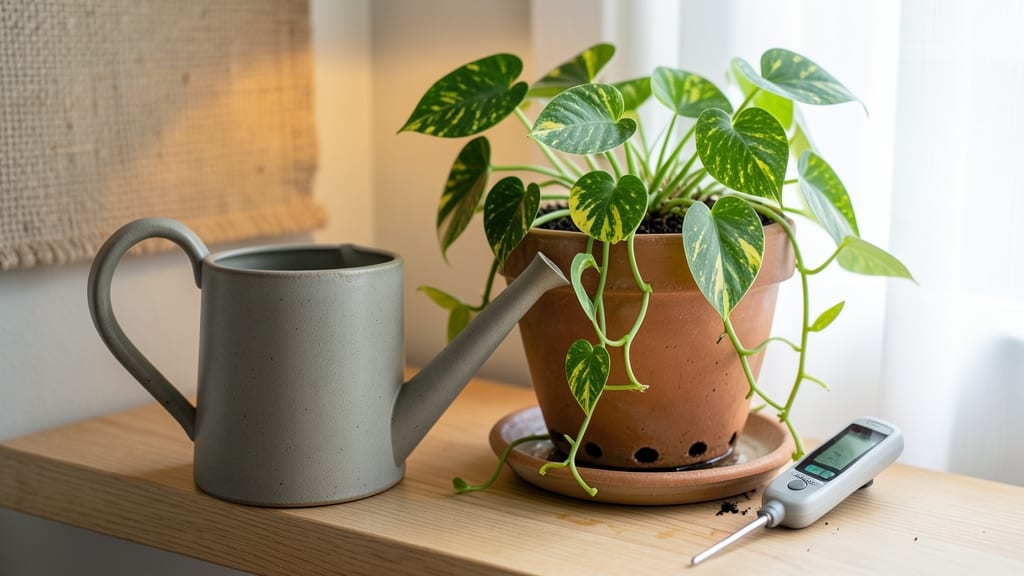
If your 💵 Money Plant how much water it needs is the secret to keeping it thriving, especially when it starts showing yellow leaves or crispy edges—most beginners simply get the balance wrong.
The truth is, unlike thirsty houseplants, Money Plants prefer their soil to dry out slightly between waterings, but they hate soggy roots. I’ve learned the hard way that overwatering is the #1 killer of these resilient plants, yet many gardeners still drown them with good intentions. Let’s fix that together.
In this guide, I’ll break down the exact watering routine your Money Plant craves—from seasonal adjustments to the telltale signs of over- or underwatering. You’ll discover how to check soil moisture like a pro and adjust for humidity, pot size, and even winter dormancy.
By the end, you’ll have a foolproof system to keep your Money Plant lush and vibrant year-round, without the guesswork. Ready to give your plant the care it deserves?

How much water does a money plant need? Ideal watering schedule by season
Money plants (Pachira aquatica) thrive on a consistent but cautious watering routine. Unlike thirsty succulents, they prefer their soil to stay slightly moist—never soggy. The key is checking the top 1-2 inches of soil before watering.
Stick your finger in: if it feels dry, it's time to water. If damp, wait another day or two. This simple test prevents both overwatering and underwatering, the two biggest killers of money plants.
Seasonal changes dramatically affect your money plant's water needs. Spring and summer bring active growth, so you'll water more frequently—about every 5-7 days. In fall and winter, growth slows, and you can stretch watering to every 10-14 days.
Even indoor plants feel the shift in humidity and temperature, so adjust accordingly. A humidifier nearby or pebble tray can help maintain moisture levels during dry winter air.
Your money plant's pot size plays a huge role in watering frequency. Smaller pots dry out faster, while larger containers hold moisture longer. For a 6-inch pot, water every 5-7 days in summer. A 12-inch pot might only need watering every 10-14 days.
Always use pots with drainage holes—water should escape freely to prevent root rot. Pro tip: Group your money plant with others on a self-watering tray to create a microclimate that retains moisture longer.
Light levels also influence water needs. A money plant basking in bright indirect light will dry out faster than one in a dim corner. If your plant is near an east or west-facing window, expect to water 2-3 days sooner than one tucked in a north-facing room.
In low-light spots, reduce watering to every 10-14 days to avoid waterlogged soil. Always pair watering with light checks—more light means more water, but never skip the soil test first.
| Season | Watering Frequency | Soil Check | Humidity Tip |
|---|---|---|---|
| Spring | Every 5-7 days | Top 1-2" dry | Increase humidity with misting |
| Summer | Every 5-7 days | Top 1-2" dry | Use pebble trays for moisture |
| Fall | Every 7-10 days | Top 2" dry | Reduce watering gradually |
| Winter | Every 10-14 days | Top 2-3" dry | Avoid cold drafts near plant |
New money plant owners often make the mistake of watering on a strict schedule rather than checking soil conditions. I learned this the hard way when my first money plant developed yellow leaves from overwatering—turns out, I was watering every 3 days regardless of the season!
Now, I always water in the morning (between 8-10 AM) to allow excess moisture to evaporate during the day. Evening watering can lead to fungal issues like powdery mildew, especially in humid climates.
For outdoor money plants (if you're brave enough to try them in zones 10-12!), increase watering during hot spells—up to every 3-4 days if temperatures exceed 90°F. Always water at the base of the plant, avoiding leaves to prevent leaf burn.
Mulch around the base with orchid bark or coconut coir to retain moisture and regulate soil temperature. This trick works wonders for both indoor and outdoor money plants, keeping roots happy and healthy.
One of my favorite money plant watering hacks is the "ice cube test" for sensitive varieties. Place 1-2 ice cubes on the soil surface instead of pouring water. This mimics natural rainfall, cools the roots, and prevents shock from sudden moisture changes.
It’s especially useful for newly repotted plants or those recovering from underwatering. Pair this with a well-draining soil mix (like 60% potting soil, 20% perlite, and 20% orchid bark) for the perfect balance.
If your money plant is drooping but the soil feels dry, it’s likely thirsty. Give it a deep drink—water until it drains from the bottom, then empty the saucer after 10 minutes. For wilting leaves with crispy edges, it’s often underwatering.
Soak the pot for 10-15 minutes in room-temperature water, then let it drain. Repeat this 2-3 times over a week to revive an underwatered plant. Patience is key—money plants bounce back faster than you’d expect!
Remember, every money plant is unique. Factors like pot material (terracotta dries faster than ceramic), room temperature, and air circulation all play a role. Keep a simple journal near your plant, noting when you water and how the soil feels.
Over time, you’ll develop an instinct for your money plant’s perfect watering rhythm. With this seasonal guide and a little practice, your money plant will stay lush, green, and full of good fortune all year round. 💵🌱
Overwatering vs. underwatering money plant: 7 warning signs to save your plant
Your Money Plant is a resilient little charmer, but even it can’t handle watering mistakes for long. The most common issue? Overwatering—it’s sneaky and often happens when we’re just trying to be extra caring.
I’ve seen it happen to beginners who think more water equals happier plants, but the truth is, soggy roots are the silent killer of Money Plants. Let’s decode the warning signs so you can rescue your plant before it’s too late.
First, let’s talk overwatering symptoms. If your Money Plant’s leaves start turning yellow with brown edges, that’s your first clue. The edges might even feel mushy to the touch—a sure sign of root rot setting in.
Another red flag? Stunted growth or leaves that drop off suddenly. These are all cries for help from your plant, telling you it’s drowning in its own pot. Don’t ignore them!
- 🌿 Yellow leaves with brown edges
- 🌿 Mushy stems or wilting
- 🌿 Root rot (smells foul)
- 🌿 Slow growth or no new leaves
- 💧 Crispy, dry leaf edges
- 💧 Drooping leaves that don’t bounce back
- 💧 Soil pulls away from pot edges
- 💧 Leaves curl inward or turn brown
Now, let’s tackle underwatering signs. If your Money Plant’s leaves are crispy and dry to the touch, that’s a clear signal it’s thirsty. You might also notice the leaves curling inward or dropping off entirely.
The soil will pull away from the pot edges, and the plant might look completely wilted, even after watering. The good news? Underwatering is easier to fix—just give it a good drink and watch it perk up!
Here’s a quick diagnosis guide: Stick your finger about an inch into the soil. If it feels damp, hold off on watering—your plant is still happy. If it’s completely dry, it’s time to water.
Pro tip: Use room-temperature water to avoid shocking the roots. I’ve made the mistake of using cold water straight from the tap, and it stressed my plant out for days!
Don’t panic if you spot these signs—most Money Plants bounce back quickly if you catch the issue early. For overwatered plants, let the soil dry out completely before watering again.
For underwatered plants, give it a thorough soak and place it in a humid spot. Within a week, your Money Plant should be back to its happy, leafy self. 🌱