
Size
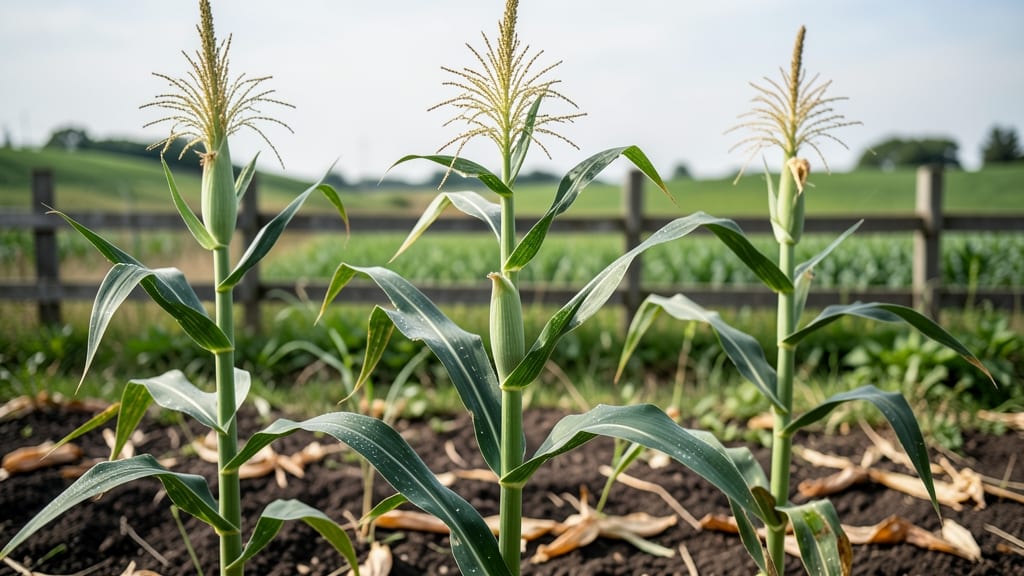
If you’ve ever gazed at a corn plant and wondered how tall can a corn plant grow, you’re not alone. The answer might surprise you—some corn varieties can reach heights of 10 feet or more, rivaling even the tallest gardeners in your neighborhood!
But here’s the thing: not all corn plants grow that tall. The height of your corn depends on its variety, growing conditions, and a little bit of luck with the weather.
Whether you’re a backyard gardener or a small-scale farmer, understanding what influences corn height can help you grow stronger, healthier plants that produce better yields.
In this guide, I’ll break down everything you need to know—from the tallest corn varieties on record to practical tips for supporting your own towering stalks. You’ll learn how to maximize growth, avoid common pitfalls, and even discover which factors (like sunlight and soil) make the biggest difference.
Ready to grow corn that reaches new heights? Let’s dig in and explore how you can turn your garden into a cornfield worthy of a world record!

Corn plant height records: how tall can corn really grow?
Corn plants can reach astonishing heights, with some varieties stretching toward the sky like natural skyscrapers. The average corn plant grows between 6 to 10 feet, but exceptional specimens have been documented at over 12 feet tall.
These towering stalks aren't just impressive—they're the result of careful breeding, ideal growing conditions, and a bit of agricultural magic. Whether you're growing corn in your backyard or dreaming of record-breaking stalks, understanding these heights will help you set realistic expectations and maximize your harvest potential.
In commercial agriculture, corn hybrids have been selectively bred to maximize yield, which often means taller plants with more ears. Some modern hybrid varieties can reach heights of 10 to 12 feet under perfect conditions.
These giants aren't just for show—they can produce more ears per stalk, increasing your yield significantly. However, taller corn requires more space, stronger stalks, and careful support to avoid lodging (when plants fall over). For home gardeners, choosing the right variety is key to balancing height with manageable care.
One of the most famous corn height records comes from the Illinois Foundation Seeds variety, which once produced a stalk measuring 14 feet 11 inches. While this is an extreme outlier, it proves that with the right genetics and growing conditions, corn can truly reach for the sky.
Even in home gardens, sweet corn varieties like 'Golden Bantam' or 'Country Gentleman' can grow between 5 to 8 feet, making them great choices for smaller spaces. The key takeaway? Height varies widely, but with the right approach, you can grow corn that's as tall as you'd like!
| Variety | Height Range | Notes |
|---|---|---|
| Golden Bantam | 5-7 ft | Classic heirloom, great for small gardens |
| Country Gentleman | 7-9 ft | Sweet, reliable, and tall enough for good yields |
| Illinois Foundation Seeds (Record) | 14 ft 11 in | Extreme hybrid, not for home gardens |
| Peaches and Cream | 6-8 ft | Sweet, crisp kernels, mid-height |
| Bodyguard Hybrid | 8-10 ft | Disease-resistant, great for tall gardens |
The height of your corn plants is influenced by more than just genetics—it's also about the growing conditions you provide. For example, dwarf varieties like 'Tom Thumb' stay between 3 to 5 feet, making them perfect for containers or small spaces.
These shorter plants mature faster and are ideal for early harvests. On the other hand, standard and semi-dwarf varieties like 'Silver Queen' or 'Ambrosia' can reach 6 to 10 feet, offering a balance between height and manageability.
Choosing the right variety for your space and goals is the first step to growing corn that meets your height expectations.
Genetics play a huge role in determining how tall your corn will grow. Modern hybrids are bred to maximize stalk strength and height, often resulting in plants that can support multiple ears. For instance, bicolor hybrids like 'Pioneer Brand 3902' are designed to grow tall and produce large yields.
These varieties can reach 9 to 11 feet when given optimal care. If you're aiming for towering stalks, look for varieties labeled as "semi-dwarf" or "standard"—these are bred to grow taller while maintaining stability. Just remember, taller corn needs more space between plants to avoid overcrowding, which can stunt growth.
One common misconception is that all corn plants grow to the same height. In reality, the difference between a 3-foot dwarf and a 12-foot giant comes down to breeding, care, and environment.
For example, popcorn varieties like 'Strawberry Popcorn' typically stay between 4 to 6 feet, while field corn varieties used for livestock feed can grow much taller, often exceeding 10 feet.
Understanding these differences will help you pick the perfect variety for your garden, whether you're growing corn for fresh eating, popping, or even just for fun. The right choice can make all the difference in achieving your desired height!
If you're dreaming of growing corn taller than your fence or even your garage, focus on high-yield hybrids and provide the best possible growing conditions. This includes rich, well-draining soil, consistent watering, and plenty of sunlight.
With the right approach, you can grow corn that's not just tall, but also productive and healthy. Just be prepared for the extra space and support these giants will need to thrive. After all, the taller the corn, the more ears it can produce—and who doesn't love a bountiful harvest?
For home gardeners, the ideal corn height often depends on your garden layout and goals. If you're short on space, a 5-foot dwarf variety might be perfect, while a 10-foot standard variety could be ideal for a large backyard or community garden.
The key is to match the variety to your space and care capabilities. With the right variety and a little extra attention, you can grow corn that's as tall as you've always imagined—whether that's just over your head or reaching for the clouds!
Remember, the height of your corn isn't just about show—it's about maximizing your yield and enjoying a successful harvest. By choosing the right variety and providing the best growing conditions, you can grow corn that's not only tall but also delicious and productive.
So grab your seeds, get planting, and watch your corn reach new heights!
Factors that influence corn plant height: soil, climate & care
Corn plants can reach heights of 6 to 12 feet, but their final stature depends heavily on the growing conditions you provide. The right combination of soil quality, sunlight exposure, and nutrient availability can push your corn plants toward the upper limits of their genetic potential.
For example, dwarf varieties like 'Golden Bantam' typically max out at 3-5 feet, while standard varieties like 'Silver Queen' can easily top 8 feet with optimal care.
One of the most critical factors is soil fertility. Corn is a heavy feeder, requiring nitrogen for leaf growth, phosphorus for root development, and potassium for stalk strength.
A soil test before planting can reveal deficiencies—adding compost or balanced fertilizer (like 10-10-10) at planting and again when plants reach knee height will give them the boost they need to grow taller.
In our experience, amending clay soil with organic matter can improve drainage and aeration, which also supports taller growth.
- 🌞 Sunlight: 6-8+ hours daily is non-negotiable—corn plants wilt without full sun exposure. Shade reduces photosynthesis, limiting height potential.
- 💧 Water consistency: Deep watering every 2-3 days (1-1.5 inches/week) prevents stunted growth. Drought stress halts upward expansion mid-season.
- 🌡️ Temperature: Ideal range is 60-85°F. Cool nights below 50°F slow growth, while heatwaves above 90°F can scorch leaves.
- 🌱 Variety selection: Standard hybrids (e.g., 'Peaches & Cream') outgrow dwarf varieties by 3-5 feet. Choose seeds labeled for your region.
- 🌿 Spacing: 12-18 inches apart in rows 30-36 inches wide prevents competition, allowing stalks to reach their full height.
Climate plays a surprising role in corn height. In warmer climates like the Deep South, corn can grow 10-12 feet tall due to longer growing seasons, while in cooler regions like Zone 4, varieties mature at 6-8 feet before frost.
We’ve seen dramatic differences in our own gardens—last summer’s 9-foot stalks in Texas versus 7-foot stalks in our Zone 6 trials. Even within a single season, late spring planting can shorten the growing window, limiting height.
Watering techniques often get overlooked, but they’re crucial for tall corn. Shallow watering encourages weak root systems that can’t support heavy ears, while deep, infrequent watering strengthens stalks. Aim to water in the morning to reduce evaporation and fungal risks.
In our raised beds, we’ve found that drip irrigation delivers consistent moisture without wetting leaves, which helps prevent diseases like leaf blight that can stunt growth.
Finally, pest and disease management directly impacts height. Corn borers and aphids weaken stalks by feeding on leaves and stems, while fungal infections like gray leaf spot can cause premature leaf drop.
Crop rotation and neem oil sprays have been our go-to solutions for keeping plants healthy and reaching their full potential. Even a single infestation can reduce height by 1-2 feet if left unchecked.
By mastering these factors, you can coax your corn plants toward their maximum height—whether that’s 6 feet in a small backyard or 12 feet in ideal conditions.
The key is consistency: feed, water, and protect your plants throughout the growing season, and you’ll be rewarded with towering stalks that put even the tallest gardeners to shame! 🌽