
Plants
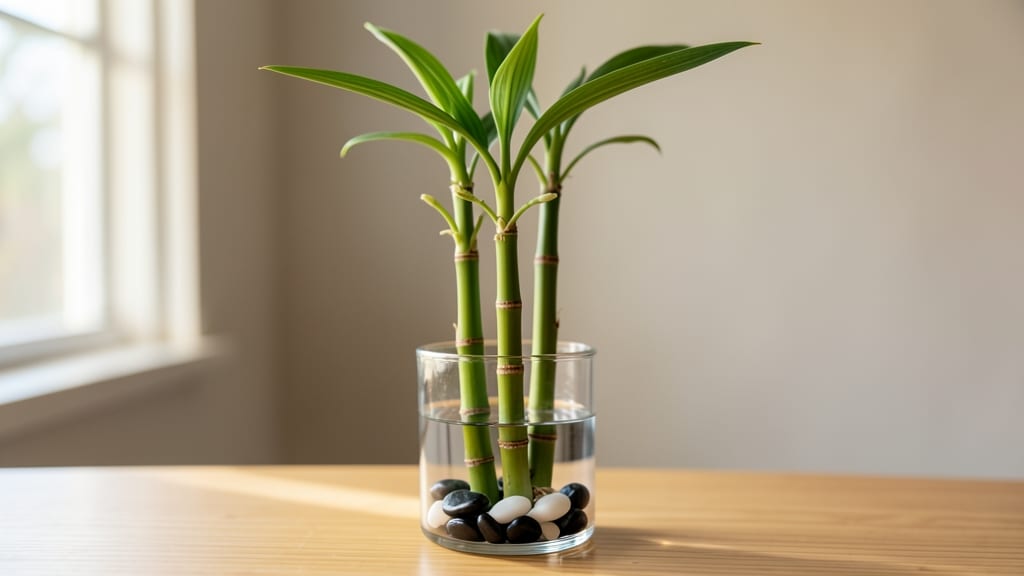
If you're wondering how tall can a bamboo plant grow, the answer might surprise you—some species reach heights of 100 feet or more, while others stay neatly under 6 feet.
Whether you're dreaming of a lush privacy screen or a compact garden accent, bamboo offers options for every space and style.
Bamboo isn't just one plant—it's a diverse family with giant tropical varieties and dwarf clumping types that thrive in cooler climates like USDA Zone 6a. The key to choosing the right type lies in understanding growth habits, from fast-spreading runners to slow-growing clumpers.
Let’s break down the differences so you can pick the perfect fit for your garden.
Planting bamboo in spring (March-April) gives it the best start, but growth speed varies wildly. Some species shoot up 3 feet per year, while others take decades to reach their full height.
With the right care—like proper soil, sunlight, and containment—you can enjoy bamboo’s beauty without the worry of it taking over your yard.
Ready to transform your space? Discover which bamboo varieties stay small, which ones grow tall, and how to manage their height—whether you want a tropical jungle vibe or a neat, controlled border. Let’s get started!

Bamboo height by species: from dwarf to towering giants
If you’re considering bamboo for your garden, the first question is almost always: how tall can a bamboo plant grow? The answer varies wildly—from 3-foot dwarf varieties that fit in containers to 100-foot giants that rival redwoods.
The key lies in choosing the right species for your space and climate. Let me break down the height ranges, growth habits, and real-world examples so you can pick the perfect fit for your landscape.
Bamboo falls into two main growth categories: running bamboo (aggressive spreaders) and clumping bamboo (tight, controlled growth). Running types like Phyllostachys bambusoides can shoot up to 60 feet tall and spread aggressively, while clumping varieties like Fargesia robusta typically stay under 10 feet.
Your choice depends on whether you want a privacy screen or a small accent plant.
Growth rates also vary dramatically. Some tropical bamboos can grow 3 feet per year, while temperate species might only add 6 inches annually. Even within the same species, climate and care play huge roles—sunlight, soil quality, and water availability can double or halve expected heights. For example, Bambusa multiplex (a dwarf clumper) stays around 5 feet tall in ideal conditions but may only reach 3 feet in shade.
Here’s the most important distinction: height at maturity isn’t the same as initial growth speed. A 30-foot bamboo might only grow 2 feet per year in cooler climates, while a 10-foot species could shoot up 3 feet annually in tropical heat.
Always check mature height labels when shopping, not just the plant’s current size.
Now, let’s dive into the height spectrum with real-world examples. Whether you’re after a backyard privacy hedge or a container-friendly patio plant, there’s a bamboo for every height goal.
| Variety | Type | Mature Height | Growth Rate | Best For |
|---|---|---|---|---|
| Bambusa multiplex | Clumping | 3–8 ft | 6–12 in/year | Containers, small yards |
| Fargesia robusta | Clumping | 8–12 ft | 12–18 in/year | Privacy screens, shade gardens |
| Phyllostachys aureosulcata | Running | 15–25 ft | 2–3 ft/year | Tall hedges, windbreaks |
| Phyllostachys bissetii | Running | 30–50 ft | 3–4 ft/year | Large estates, rural properties |
| Dendrocalamus asper | Running | 60–100+ ft | 4–6 ft/year (tropical) | Tropical landscapes, large screens |
As you can see, clumping bamboos are the safest bet for small spaces, while running types dominate in height but require aggressive containment. If you’re in a USDA Zone 6–9, temperate species like Fargesia or Sasa will thrive, while tropical varieties like Dendrocalamus need Zone 10+ heat.
Always verify your local climate matches the species’ hardiness zone to avoid stunted growth.
Pro tip: Dwarf bamboos like Bambusa ‘Tiny Tower’ (under 6 feet) are perfect for containers or urban gardens. They grow slowly and rarely need pruning, making them ideal for beginners.
Meanwhile, medium-height runners like Phyllostachys nigra (black bamboo) reach 20–25 feet but can be managed with root barriers to prevent spread.
For maximum height, tropical species like Bambusa vulgaris or Gigantochloa apus can exceed 100 feet in ideal conditions. These are best suited for large estates or commercial landscapes where their rapid growth and towering canopies create dramatic visual impact. Just be prepared for regular pruning and soil
Bamboo height by species: from dwarf to towering giants
If you’re wondering how tall can a bamboo plant grow, the answer depends entirely on the species. Some varieties stay under 6 feet, making them perfect for containers or small gardens, while others shoot up to 100 feet or more, creating dramatic tropical backdrops.
The key difference lies in their growth habits: clumping bamboos stay contained, while running bamboos spread aggressively—and their height varies just as widely.
For example, Bambusa multiplex ‘Tiny Tower’ tops out at just 3–6 feet, ideal for urban patios, while Phyllostachys bissetii (a running type) can reach 50–60 feet in ideal conditions. Even within clumping varieties, heights range from 4 feet (like Fargesia murielae) to 25 feet (like Fargesia robusta).
Let’s explore the full spectrum so you can pick the perfect fit for your space.
Clumping bamboos like Fargesia species are ideal for small spaces because they don’t spread—their height is their only concern. In contrast, running bamboos like Phyllostachys can double in size yearly if unchecked, making them better suited for large, open areas or where you’ve installed root barriers.
Even within clumpers, tropical varieties (e.g., Bambusa) grow faster and taller than temperate types (e.g., Fargesia).
Soil and sunlight also play a role. Rich, well-draining soil with partial shade encourages slower, more controlled growth in dwarf varieties, while full sun and moist conditions fuel rapid height gains in giant species.
For instance, Phyllostachys aureosulcata (yellow groove bamboo) can grow 3 feet per year in ideal conditions, while Fargesia denudata ‘Fountain’ stays under 6 feet even with optimal care.
If you’re planting in USDA Zone 6a, opt for cold-hardy clumpers like Fargesia nitida (6–8 ft) or Fargesia scabrida ‘Umbrella’ (8–10 ft). These varieties handle winter temperatures down to -10°F without losing their compact form.
For warmer climates, tropical runners like Bambusa vulgaris (50–65 ft) thrive but require aggressive containment.
Remember: height isn’t the only factor. Running bamboos may reach 100 feet, but their aggressive roots can damage foundations or overtake your yard. Clumping types stay put but may still need annual pruning to maintain shape.
Choose based on both vertical growth and horizontal spread—your future self will thank you! 🌿