
Plants
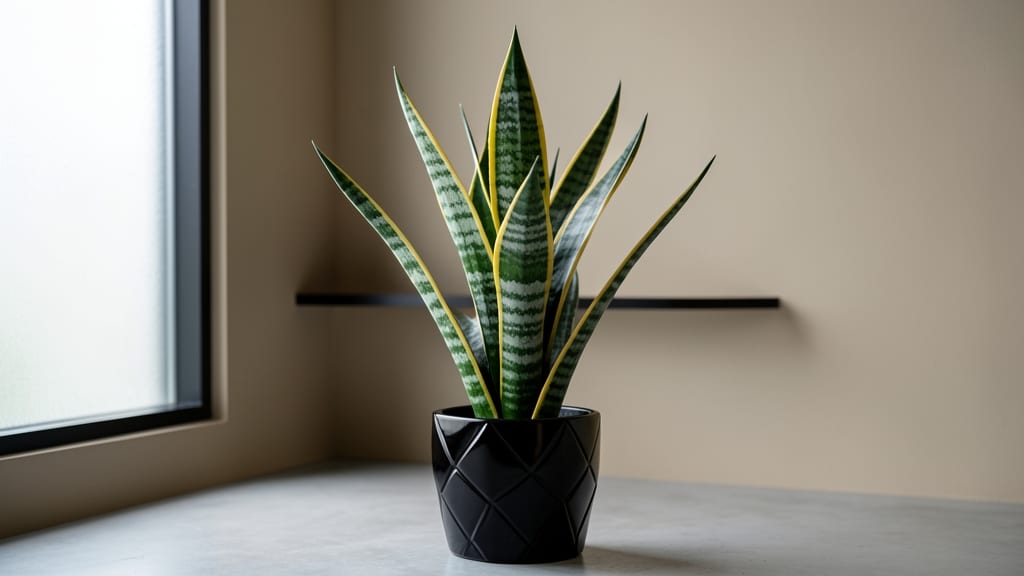
If your rattlesnake plant 🌿 is struggling with brown edges or droopy leaves, you’re probably dealing with the wrong light conditions—but how much light does a rattlesnake plant need? The answer is easier to fix than you think.
This stunning plant thrives in bright but indirect sunlight, making it a perfect fit for most homes, but getting the balance right is key.
The secret lies in mimicking its natural habitat under dappled forest light. Too much direct sun scorches its delicate leaves, while too little dims those signature patterns.
I’ll show you exactly where to place it—whether you’ve got a north-facing window or just a sunny corner—and how to spot the signs when it’s not happy.
You don’t need fancy equipment to nail this. A simple trick like using sheer curtains or rotating your plant weekly can make all the difference. Let’s dive into the simple adjustments that’ll turn your rattlesnake plant from wilting to vibrant in no time.
From common mistakes (like assuming all calatheas need the same light) to seasonal tweaks, I’ve got the insider tips to keep your plant thriving year-round. Ready to give it the perfect light setup?
 Best Window Placement
Rattlesnake plant light requirements: the ideal spectrum for lush growth
The rattlesnake plant (Calathea orbifolia) thrives in bright indirect light, mimicking its native understory habitat. Too much direct sun causes brown leaf tips, while too little light fades its striking patterns.
Aim for 4-6 hours of filtered light daily, like an east-facing window or 2-3 feet from a north window.
Direct sunlight is the #1 killer of rattlesnake plants—it burns their delicate leaves within hours. Even morning sun can be too intense unless diffused through a sheer curtain. South-facing windows are off-limits unless you use a light filter.
Your rattlesnake plant’s leaf patterns are nature’s light meter. Dull, pale foliage signals insufficient light, while crispy edges mean too much. The perfect balance keeps leaves vibrant green with bold stripes.
Seasonal adjustments are key. In summer, move plants further from windows to avoid overheating. In winter, supplement with a grow light if natural light drops below 4 hours daily.
🌿
Rattlesnake Plant Light Needs Summary
| Light Type | Ideal Conditions | Signs of Stress |
|---|---|---|
| Bright Indirect | East/west window, 2-3 ft away | Vibrant green leaves |
| Low Light | North window or room corner | Pale, stretched leaves |
| Direct Sun | South window without filter | Brown crispy edges |
Rotate your plant quarter-turn weekly to ensure even light exposure. This prevents lopsided growth and keeps the foliage symmetrical. If you notice one side darker, it’s time to reposition.
For office spaces with fluorescent lighting, place your rattlesnake plant within 3 feet of the bulbs. These lights mimic natural indirect light better than you’d think, but avoid LED grow lights—they emit too much blue spectrum.
🌱
If your rattlesnake plant develops yellow leaves, it’s often a light deficiency combined with overwatering. Reduce watering to every 7-10 days and move it closer to a bright, indirect light source. Within 2-3 weeks, you’ll see new growth.
Pro tip: Use a light meter app to measure 1,000-2,000 foot-candles of light—this is your rattlesnake plant’s sweet spot. Most smartphones have free apps that make this easy!
🪴
Rattlesnake plant light requirements: the ideal spectrum for lush growth
Your rattlesnake plant (Calathea orbifolia) thrives in bright indirect light, but getting the balance right can feel like a guessing game. Too much direct sun burns its delicate leaves, while dim corners make it lose its stunning patterns.
The key is mimicking its natural understory habitat—think dappled sunlight filtering through trees.
For optimal growth, place your plant 2-3 feet from an east-facing window where it gets 4-6 hours of filtered morning light. Avoid south- or west-facing windows, as the intense afternoon sun will cause brown leaf tips and crispy edges.
Even north-facing windows work if they offer consistent brightness without harsh rays.
| Light Condition | Ideal Placement | Signs of Stress |
|---|---|---|
| Bright Indirect Light (60%) | East window, 2-3 ft away | Vibrant patterns, upright leaves |
| Low Light (<30%) | North window or room corner | Dull leaves, leggy growth |
| Direct Sun (>70%) | South/west window, no filter | Brown crispy edges, wilting |
Seasonal changes matter too! In summer, your rattlesnake plant may need slightly more shade—move it back a foot or use a sheer curtain to diffuse light. Conversely, in winter, supplement with a grow light for 6-8 hours daily if natural light drops below 4000 lux.
A simple LED bulb on a timer works wonders for maintaining its signature patterns.
Watch for these light-stress signals: yellowing leaves mean too little light, while crispy brown edges scream "sunburn!" If you notice drooping foliage, it could be either overwatering (compensating for low light) or sudden light shifts. Rotate your plant quarter-turns weekly to ensure even growth and prevent lopsided leaves.
Pro tip: If your home lacks ideal lighting, group your rattlesnake plant with other low-light lovers like pothos or peace lilies. Their presence signals you’re creating the right microclimate. Just avoid placing them near AC vents or drafts, which can further stress the plant.
With the right light balance, your rattlesnake plant will reward you with glossy, patterned leaves that seem to shimmer. The secret? Treat it like a tropical diva—give it bright but gentle light, and it’ll thrive like it’s basking under a canopy.