
Plants
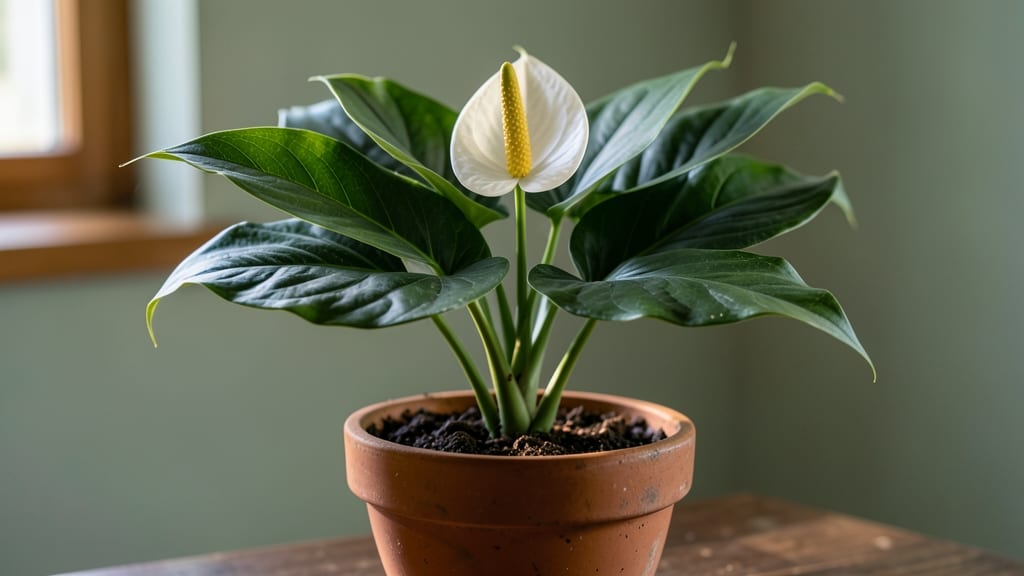
If your peace lily plant keeps struggling despite your best care efforts, the answer might lie in something you're overlooking: its light needs. Unlike sun-loving plants, this elegant houseplant thrives in conditions most people assume are too dim—making it perfect for offices, bathrooms, or shady corners where other plants fail.
The key to keeping your peace lily happy is understanding its preference for low to medium indirect light. Too much direct sun causes those dreaded brown tips, while too little leaves its leaves drooping like a sad umbrella.
I'll show you exactly how to spot the perfect balance and where to place it in your home for optimal growth—no guesswork required.
What's surprising is how adaptable these plants are—even artificial lighting can work in a pinch. We'll cover everything from ideal window spots to troubleshooting yellowing leaves, so you can finally stop second-guessing whether your peace lily is getting just the right amount of light.
Whether you're dealing with a new plant or one that's been wilting for months, this guide will help you create the perfect lighting conditions. Let's get your peace lily thriving again—without the frustration.
 Best Window Placement
Ideal light requirements for peace lilies: low to medium indirect sunlight explained
Peace lilies (Spathiphyllum) are masters of survival in low-light conditions, making them perfect for homes with limited natural light. Unlike sun-loving plants, they thrive in bright indirect light or even filtered shade.
This means placing them near a window with sheer curtains or in a room with gentle ambient light.
Direct sunlight can scorch their leaves, while too little light causes drooping and sparse blooms. The key is finding that sweet spot where your peace lily gets enough light to grow but avoids stress.
Most homes achieve this with 2-4 hours of morning sunlight or consistent indirect light throughout the day.
Think of your peace lily’s light needs like a balanced diet—not too much, not too little. A north-facing window is ideal because it provides soft, diffused light without the harsh afternoon sun.
If you only have south or west-facing windows, place your plant 3-5 feet away to prevent leaf burn.
🌿
| Light Condition | Description | Ideal For |
|---|---|---|
| Bright Indirect Light | Morning sun or filtered light from east/west windows | Healthy growth, blooming |
| Low Light | North-facing windows or rooms without direct sun | Survival, slow growth |
| Direct Sunlight | South/west windows without curtains | Leaf burn, stress |
Seasonal changes also affect your peace lily’s light needs. In summer months, when sunlight is more intense, move your plant further from windows or use sheer curtains to diffuse the light.
During winter, when natural light is scarce, supplement with a grow light for 4-6 hours daily if you notice drooping leaves.
Watch for subtle signs your peace lily isn’t getting enough light. Drooping leaves and pale green foliage are red flags. Conversely, brown leaf tips or crispy edges mean it’s getting too much direct sun. Adjust its location gradually—never move it suddenly, as peace lilies hate abrupt changes in light exposure.
For best results, rotate your peace lily quarter-turns every few weeks to ensure even growth. This prevents one side from leaning toward the light while the other stays weak.
A well-lit peace lily will reward you with glossy leaves and frequent white blooms, signaling it’s thriving in its perfect light balance.
If your home lacks natural light entirely, consider a LED grow light with a cool white spectrum. Place it 6-12 inches above the plant for 10-12 hours daily. This mimics natural light and keeps your peace lily happy year-round, even in dark corners.
🪴
Ideal light requirements for peace lilies: low to medium indirect sunlight explained
Peace lilies (Spathiphyllum) are masters of adaptability, thriving where many plants fail—low to medium indirect light. Unlike sun-loving succulents, they despise harsh, direct rays that scorch their glossy leaves.
Think of them as the office plant of the houseplant world: happy in dim corners but eager for a little brightness.
The key is finding that sweet spot between too little light (which causes drooping) and too much (which leads to brown tips). Most peace lilies do best with 10-20% sunlight intensity, roughly equivalent to 2-4 hours of morning sun through a sheer curtain.
This mimics their native forest floor habitat, where dappled light filters through the canopy.
| Light Condition | Description | Peace Lily Response |
|---|---|---|
| Low Light (5-10%) | North-facing windows, rooms without windows | Survives but grows slowly; may droop or produce fewer blooms |
| Medium Light (10-20%) | East-facing windows, 2-3 feet from west-facing windows | Ideal growth: lush leaves, regular blooms, compact size |
| Bright Indirect (20-30%) | South-facing windows with sheer curtain, 5+ feet away | Leaves may yellow or develop brown tips from stress |
| Direct Sunlight (50%+) | South/west windows without filters, outdoor summer exposure | Leaf burn, crispy edges, rapid wilting |
Seasonal shifts matter too. In winter, when sunlight weakens, your peace lily may thrive in lower light—even a bathroom with no window can work if you supplement with a grow light for 6 hours daily.
Conversely, summer’s intense rays demand extra caution: move your plant 5 feet back from a south-facing window or use a white lace curtain to diffuse light.
Pro tip: Rotate your plant quarter-turns every 2 weeks to ensure even growth. Peace lilies grow toward light, so one-sided exposure leads to lopsided foliage. If your plant’s leaves lean toward a window, it’s begging for a more balanced light source.
Watch for these tell-tale signs of light stress: Yellow leaves signal too much light, while dark green, sparse leaves mean it’s craving more brightness. The goal is a vibrant, medium-green hue—a sure sign your peace lily is basking in its perfect light conditions.
Remember, peace lilies are forgiving—they’ll survive in near-darkness for months, but they’ll reward you with lush growth when given their ideal 10-20% light. Treat them like a low-maintenance roommate: they’ll tolerate your busy schedule but flourish when you give them just a little attention.