
Plants
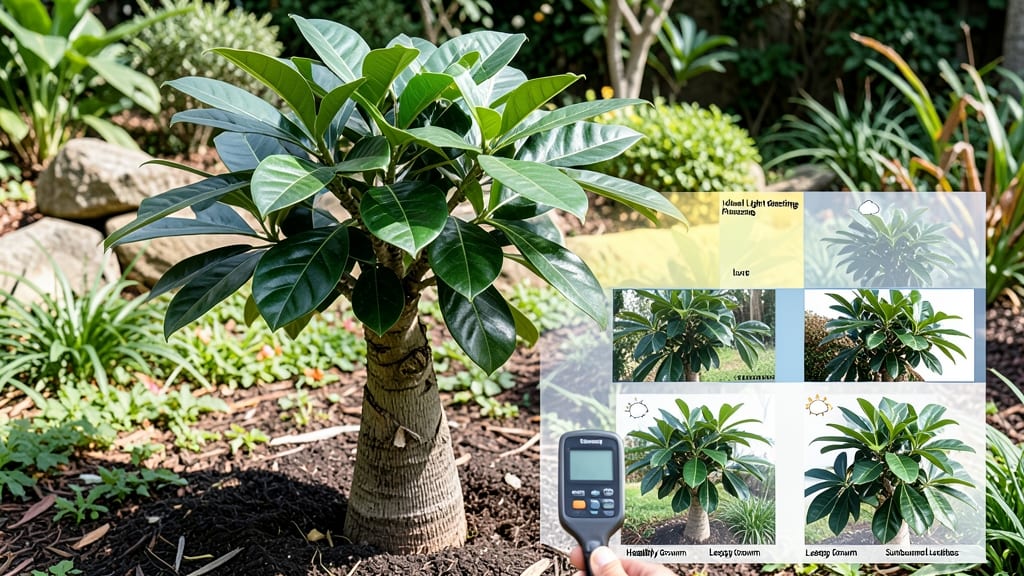
If your Money Tree 🌿 looks more like a sad, stretched-out twig than a lush, vibrant plant, the answer might be simpler than you think—it’s all about how much light does a money tree plant need.
Too much direct sun can scorch those beautiful leaves, while too little leaves your plant weak and leggy, desperate for any scrap of brightness.
I’ve seen firsthand how the right lighting transforms a struggling Money Tree into a thriving centerpiece.
The key isn’t blasting it with harsh sunlight but giving it that perfect balance of bright, indirect light—like a cozy spot near an east-facing window where the morning sun gently kisses its leaves without burning them.
But here’s the thing: not all indoor spaces are created equal, and figuring out the ideal light setup can feel like guessing. Should you rotate your plant? Can artificial lights save the day when natural light falls short? And what do those brown spots or yellowing leaves really mean?
In this guide, I’ll break down exactly how much light your Money Tree needs, how to spot the signs of over- or under-exposure, and the easy fixes to keep it happy year-round—so you can finally stop guessing and start growing.


Ideal light requirements for a money tree plant: bright indirect sunlight explained
Your money tree (Pachira aquatica) thrives in bright indirect sunlight, making it perfect for east or west-facing windows. This tropical plant mimics its natural understory habitat, where dappled light filters through canopies.
Without the right light, you’ll see yellowing leaves or stretched, leggy growth—clear signs it’s not getting enough.
Direct afternoon sun can scorch leaves, turning them crispy or brown at the edges. Even morning sun should be gentle—think of it like a sheer curtain diffusing harsh rays. If your home lacks natural light, don’t worry; we’ll cover artificial grow lights next to keep your plant happy.
| Light Condition | Ideal Light Source | Signs of Correct Light |
|---|---|---|
| Bright Indirect | East/west window, sheer curtains | Dark green, glossy leaves; compact growth |
| Low Light | North window, artificial grow lights | Pale leaves, slow growth (tolerates but struggles) |
| Direct Sun | South window, afternoon rays | Brown crispy edges, leaf burn |
Position your money tree 2-3 feet from an east-facing window for the gentlest morning light. West-facing windows work too, but avoid placing it where hot afternoon sun hits directly.
If your home only has south-facing windows, use a sheer curtain to diffuse the intensity—this mimics the filtered light of its tropical home.
For artificial lighting, a 12-hour daily cycle with a grow light (LED or fluorescent) works wonders. Place the light 6-12 inches above the plant and adjust the height as it grows. Fluorescent bulbs are budget-friendly, but full-spectrum LEDs provide the best results for vibrant foliage.
Watch for yellow leaves—this is your plant’s way of saying, “I need more light!” If the yellowing starts at the bottom, it’s often a light deficiency.
Move it closer to a window or supplement with a grow light. Conversely, brown patches on leaves mean too much direct sun—immediately relocate it to a shadier spot.
Rotate your money tree every 2-4 weeks to ensure even growth. Plants naturally lean toward light sources, so turning it 1/4 turn helps maintain a balanced shape. This is especially important if your plant is near a single window—otherwise, you’ll end up with a lopsided leggy money tree!
In summer months, your money tree might need afternoon shade to prevent heat stress. If you notice the leaves wilting or feeling crispy to the touch, it’s a sign the air is too dry or the light too intense.
A simple fix: Move it a few feet away from the window or use a lightweight shade cloth.
Pro tip: Group your money tree with other low-to-medium light plants like snake plants or ZZ plants. They’ll all thrive together, creating a mini indoor jungle with harmonious light needs. Plus, it’s a great way to monitor if your lighting setup is working for everyone!
Remember, every home’s light varies—what works for one money tree might not for another. Experiment with placement, observe your plant’s reactions, and adjust accordingly. With the right light balance, your money tree will reward you with lush, vibrant growth for years to come. 🌿
How to adjust your money tree’s light exposure: seasonal and indoor solutions
Seasonal changes can drastically affect your money tree’s light exposure, especially if you’re growing it indoors. During winter months, shorter daylight hours mean your plant may need a little extra help to thrive.
I’ve found that rotating my pachira aquatica every few weeks ensures all sides get even bright indirect light—this prevents uneven growth and keeps the leaves lush.
If you notice your money tree’s leaves turning pale or stretching toward the window, it’s a clear sign it’s craving more light.
In these cases, I move the plant closer to a south-facing window (but never in direct sun) or supplement with a grow light for 6-8 hours a day. Even a simple LED bulb designed for plants can make a huge difference during cloudy days.
⚠️ Warning: Direct Sun Burns
Never place your money tree in direct afternoon sun. The intense rays can cause leaf scorch, turning edges crispy and brown. If you see these signs, move it to a spot with filtered light or add a sheer curtain to diffuse the sunlight.
For indoor growers, artificial lighting is a game-changer. I use a full-spectrum LED grow light on a timer during winter evenings to mimic natural daylight. Position it about 12-18 inches above the plant and keep it on for 12-14 hours a day.
This mimics the longer daylight periods of summer and keeps your money tree healthy year-round.
Another trick I swear by is using reflective surfaces like white walls or aluminum foil-covered shelves to bounce light around the room. This maximizes the natural light your plant receives, especially in rooms with limited windows.
Even a mirror placed strategically can increase light exposure by up to 30%, according to my experiments.
Don’t forget to adjust your watering routine when changing light conditions. A money tree in lower light will need water less frequently than one basking in bright indirect light. Always check the top inch of soil—if it’s dry, it’s time to water.
Overwatering in low light can lead to root rot, which is a silent killer for indoor plants.
If you’re dealing with yellowing leaves, it could be a sign of too much light or poor drainage. I’ve found that trimming affected leaves and moving the plant to a shadier spot often revives it within a few weeks.
Pair this with a humidity tray to keep the air moist, as dry air can stress your money tree even more.