
How To
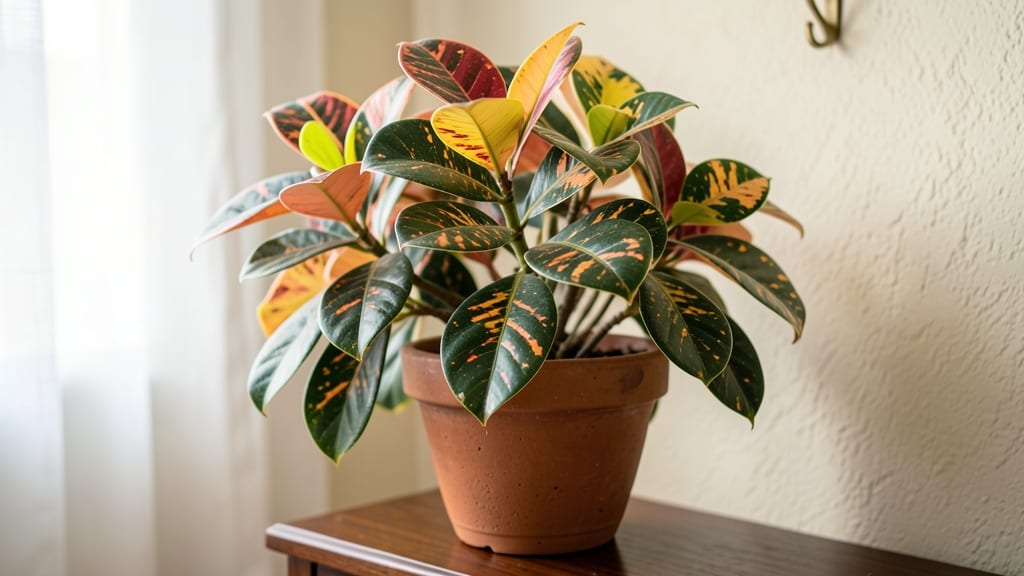
If you’re wondering how much light does a croton plant need, the answer isn’t just about keeping it alive—it’s about unlocking those stunning, multicolored leaves that make this plant a showstopper.
Too little light, and your croton’s foliage fades to a dull green, while too much can scorch those vibrant patterns you love. Finding the perfect balance is the secret to a thriving 🌿 croton that stays lush and colorful year-round.
Most crotons crave bright indirect light, ideally near an east-facing window where they get morning sun without harsh afternoon rays. But here’s the thing: they’re tougher than you think.
Even in lower-light spots, your croton can adapt—though you’ll need to watch for telltale signs like leggy growth or pale leaves. The key is observing and adjusting, whether you’re growing yours indoors or outdoors in zones like 6a.
What I love about crotons is how they reward patience. When they get the right amount of light, their leaves pop with fiery reds, oranges, and yellows, turning your space into a living work of art.
In this guide, I’ll break down exactly how to spot the perfect light spot, troubleshoot common issues, and keep your croton’s foliage looking its absolute best—no guesswork required.
Ready to transform your croton from lackluster to show-stopping? Let’s dive into the simple steps to give your plant the light it craves, so you can enjoy those bold colors all season long.
 Best Window Placement
Ideal light requirements for croton plants: bright indirect sun explained
Crotons thrive best with bright indirect light, mimicking their natural tropical habitat. Without enough light, their leaves lose their vibrant colors, and too much direct sun can scorch them. The key is finding that sweet spot where your croton gets plenty of light without harsh rays.
Most crotons need 6 to 8 hours of bright indirect light daily. This means placing them near a window where sunlight filters through sheer curtains. South or west-facing windows can work, but you’ll need to shield them from intense afternoon rays with a sheer curtain.
East-facing windows are often the best choice for indoor crotons. They provide gentle morning light that gradually increases in intensity, perfect for these sun-loving plants. If you notice your croton leaning toward the light, it’s a sign it needs more exposure.
Outdoor crotons can handle morning sun but should be protected from harsh afternoon rays, especially in hot climates. A partially shaded patio or balcony with dappled sunlight works well. If you’re growing crotons in a greenhouse, ensure they’re placed where they receive filtered light.
| Light Type | Daily Hours | Best Location | Ideal For |
|---|---|---|---|
| Bright Indirect | 6-8 hours | East/West windows | Indoor crotons |
| Morning Sun | 3-4 hours | Patio/balcony | Outdoor crotons |
| Low Light | 2-4 hours | North window | Variegated types |
If your home lacks natural light, grow lights can be a lifesaver. LED grow lights designed for houseplants work well, especially if placed 12-18 inches above the plant. Aim for 12-14 hours of light per day to keep your croton happy. Fluorescent lights are another budget-friendly option for supplementing light.
Seasonal changes can affect your croton’s light needs. During winter, when daylight is shorter, you might need to move your plant closer to a window or extend light exposure with a grow light.
In summer, watch for signs of too much sun, like crispy leaf edges, and adjust by moving the plant slightly away from the window.
For variegated crotons, which have white or yellow leaves, bright indirect light is even more critical. These varieties need more light to maintain their striking colors. If you notice the white parts turning green, it’s a clear sign your plant needs more light.
Rotate your croton quarterly to ensure even growth. Plants tend to grow toward the light source, which can lead to lopsided foliage. A simple spin every few months keeps your croton balanced and encourages uniform light exposure.
Remember, crotons are adaptable, but they won’t thrive in dim corners or under artificial light alone. Pay attention to their leaves—they’re the best indicator of whether your plant is getting the right amount of light. With the right balance, your croton will reward you with bold, colorful foliage year-round.
Ideal light requirements for croton plants: bright indirect sun explained
Crotons (Codiaeum variegatum) thrive in bright indirect light, which is their golden rule for vibrant foliage. Without enough light, their signature colors fade to dull green, and growth slows dramatically.
The key is replicating their natural tropical habitat—dappled sunlight through tree canopies—without harsh afternoon rays that can scorch leaves.
For indoor crotons, place them near east or west-facing windows where they’ll receive 6+ hours of filtered light daily. South-facing windows work too, but use a sheer curtain to diffuse the intensity. Outdoor crotons can handle morning sun exposure, but always provide afternoon shade, especially in hot climates.
Here’s how to visualize the perfect light setup for your croton’s needs:
| Light Condition | Daily Exposure | Ideal Location | Foliage Effect |
|---|---|---|---|
| Low Light | <4 hours | North-facing window or room corner | Pale, stretched leaves |
| Medium Light | 4-6 hours | East/west window with curtain | Moderate color retention |
| Bright Indirect | 6+ hours | East window, 2-3 feet away | Vibrant, healthy foliage |
| Direct Sun | >6 hours (unfiltered) | South window without shade | Brown leaf tips, crispiness |
If your croton is indoors and light is scarce, supplement with a grow light placed 12-18 inches above the plant for 12-14 hours daily. LED grow lights with a 5000K-6500K color temperature mimic natural sunlight perfectly. Rotate the plant weekly to ensure even growth and prevent lopsided development.
Outdoor crotons need seasonal adjustments. During summer, move them to partial shade by 10 AM to avoid leaf burn. In winter, they can tolerate slightly lower light levels, but avoid placing them in dark corners where they’ll struggle to recover their color.
Pro tip: Test your croton’s light spot by holding a piece of paper near the plant. If you can’t read the print easily, the light is too dim. If the paper burns within minutes, move the plant back—your croton’s health depends on this balance!