
Plants
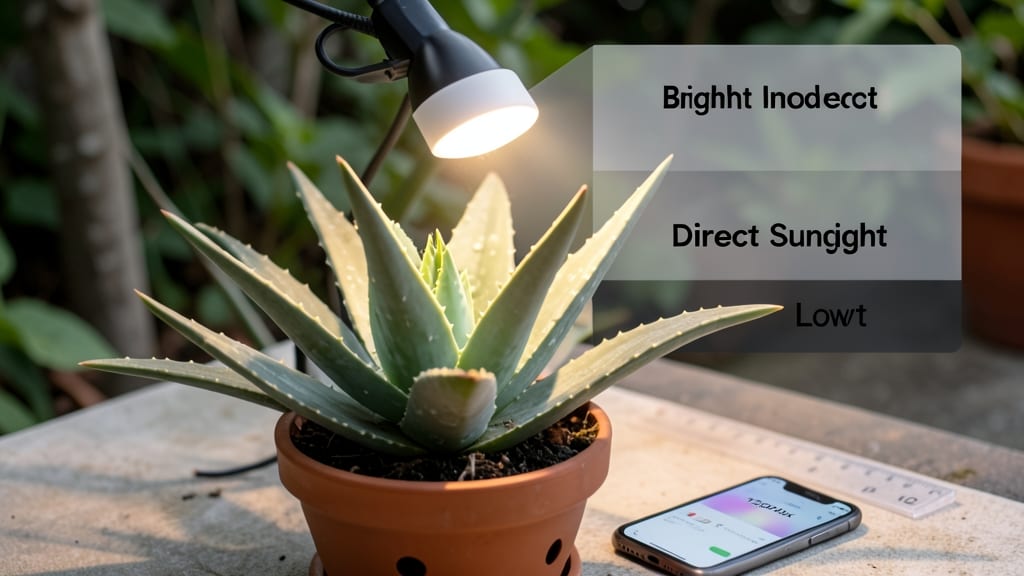
Wondering how much light does an aloe plant need to thrive? If your 🌵 is looking weak or stretched, it’s probably not getting the right balance of brightness. Aloe plants are sun lovers, but too much direct light can scorch their leaves while too little leaves them leggy and sad.
The key to happy aloe growth lies in 6+ hours of bright, indirect light daily—think south-facing windows or a sunny patio with some afternoon shade. Indoor plants may need a grow light, while outdoor aloes in zones like 6a can handle morning sun and filtered afternoon rays.
You’ll know you’ve got it right when your aloe’s leaves stay plump and vibrant green. Too little light? Watch for pale, elongated stems. Too much? Brown patches or crispy edges will appear. Let’s fix that and get your plant back to its healthiest state.
Whether you’re a beginner or a seasoned plant parent, these simple adjustments will transform your aloe’s growth. Ready to see those leaves perk up? Let’s dive into the perfect lighting setup for your succulent.
 Best Window Placement
Optimal sunlight requirements for aloe vera: bright light vs direct sun exposure
Aloe vera thrives in bright light, but finding the perfect balance is key. Too little sunlight causes stretched, weak growth, while too much can scorch those beautiful thick, fleshy leaves.
I’ve learned the hard way—my first aloe plant turned into a leggy mess when I kept it in a dim corner! Let’s fix that together.
For healthy growth, aloe plants need 6 to 8 hours of bright, indirect light daily. This mimics their natural habitat in arid climates where sunlight is intense but often filtered through other plants.
If you’re growing aloe indoors, a south-facing window is ideal, as it provides the most consistent light exposure.
Direct sunlight can be tricky. While aloe can tolerate 4 to 6 hours of direct sun, prolonged exposure—especially during peak afternoon hours (11 AM to 3 PM)—can cause sunburn.
Look for brown or white patches on leaves as a warning sign. These spots won’t heal, so adjust placement if you notice them.
Seasonal changes also affect light needs. In spring and summer, aloe plants crave more light, while fall and winter require slight adjustments. If your aloe starts looking pale or red-tipped, it’s begging for more brightness.
Conversely, if leaves stretch toward the light source, it’s time to move it back.
🌱
Aloe Vera Light Requirements Summary
| Light Type | Duration | Best For | Indoor Placement |
|---|---|---|---|
| Bright Indirect Light | 6-8 hours | Healthy growth | South-facing window |
| Direct Sunlight | 4-6 hours | Outdoor pots | Morning sun only |
| Partial Shade | 2-4 hours | Survival mode | East-facing window |
If you’re growing aloe outdoors, place it where it gets morning sun and afternoon shade. This protects the leaves from the harshest rays while still providing enough light for photosynthesis.
I’ve had great success with my outdoor aloes by positioning them near a patio awning or under a tree with sparse branches.
For indoor growers, a grow light can be a game-changer during winter months when natural light is scarce. LED grow lights with a full spectrum (red and blue light) work best.
Position the light 6 to 12 inches above the plant and provide 12 to 14 hours of light daily to mimic summer conditions.
Pro tip: Rotate your aloe plant quarter-turns every few weeks to ensure even growth. This prevents the plant from leaning toward one light source, which can cause uneven development. I’ve seen aloes develop a crooked growth habit when left in one spot too long—so don’t skip this step!
🌿
Watch for these red flags that indicate your aloe isn’t getting the right light: yellowing leaves (too much water + low light), red or purple hues (too little light), or white, crispy patches (too much direct sun).
Each of these issues has a simple fix—just adjust the light exposure and monitor the plant’s response over the next few weeks.
Remember, aloe vera is a sun-worshipper at heart. With the right light balance, your plant will reward you with thick, vibrant leaves and even the occasional pink or yellow bloom. Now go give your aloe the sunlight it deserves!
How to adjust light for different aloe growth stages: from seedlings to mature plants
Aloe plants have changing light needs as they grow, making it crucial to adjust their placement at different stages. Seedlings are the most delicate and require gentle, indirect light to prevent scorching.
Place them near an east-facing window or under a sheer curtain if using a south-facing window. This helps them establish strong roots without stress.
As your aloe reaches the juvenile stage (6-12 months), you can gradually introduce more direct sunlight. Start with 2-3 hours of morning sun and slowly increase exposure over 2-4 weeks.
Watch for red or purple tinges on leaves—this signals they’re craving more light but aren’t ready for full sun yet.
Once your aloe becomes mature (1+ years old), it thrives with 6+ hours of direct sunlight daily. Place it outdoors in a south or west-facing spot during summer, but protect it from intense afternoon sun (12-3 PM) to avoid brown leaf tips.
Use a light sheer curtain or place it under partial shade if leaves start looking dull or crispy.
Indoor aloes often struggle with low light conditions, especially in north-facing rooms. If your plant starts developing long, thin stems (a condition called etiolation), it’s time to supplement with a grow light.
A LED grow bulb placed 6-12 inches above the plant for 12-14 hours/day mimics natural sunlight and prevents weak growth.
During winter months, aloes enter dormancy and need less light. Move potted plants to a sunny windowsill or use a reflective surface (like a white wall or mirror) to bounce light onto leaves.
If natural light drops below 4 hours/day, extend exposure with a timed grow light to maintain health.
Always monitor your aloe’s leaf color and texture—these are the best indicators of light needs. Vibrant green leaves mean you’ve got the balance right, while yellow or brown edges signal over-exposure, and pale, stretched leaves mean it’s time for more light. Adjust gradually to avoid shocking the plant.