
How To
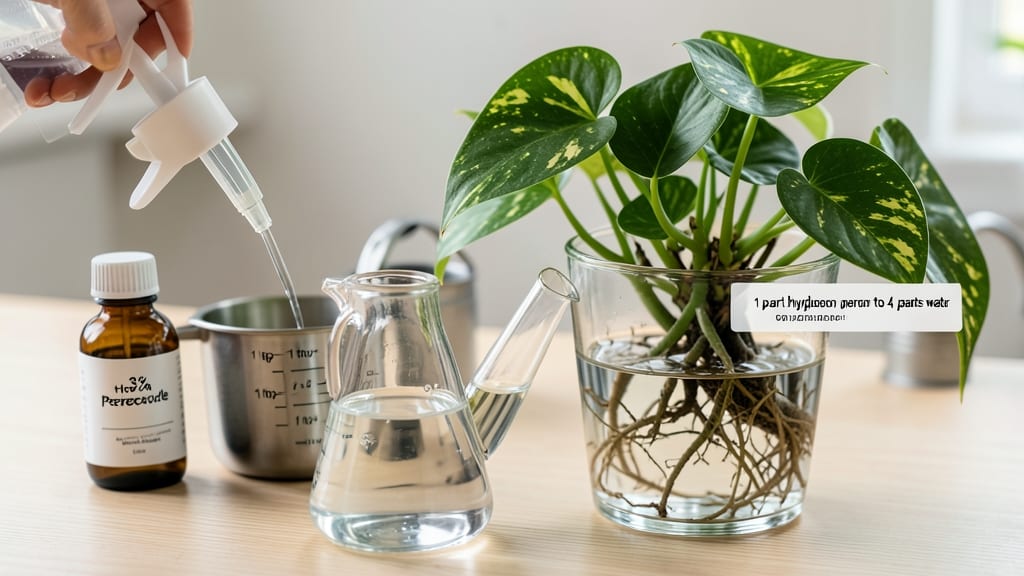
Safe hydrogen peroxide dilution ratios for plant watering (by plant type)
Hydrogen peroxide isn’t just for cleaning cuts—it’s a powerful yet gentle disinfectant for plants when used correctly. The key lies in dilution ratios tailored to your plant’s needs. Too much can burn roots or bleach leaves, while too little won’t fight fungal spores or bacteria.
Let’s break down the safe concentrations for common plant categories, including when to use 3% vs. food-grade solutions.
For most gardeners, 3% hydrogen peroxide (the pharmacy-grade variety) is the go-to choice. It’s stronger than food-grade (which is typically 1–1.5%) but still safe when diluted properly. Always opt for clear, colorless peroxide—avoid the brown, stabilized versions, which contain additives that can harm plants.
Before mixing, check your water hardness: hard water (high in minerals) may reduce effectiveness, so adjust ratios slightly upward if you’re in a high-mineral area.
🌱
| Plant Type | H₂O₂ Concentration | Dilution Ratio | Best Use | Frequency |
|---|---|---|---|---|
| Vegetables (tomatoes, peppers, lettuce) | 3% | 1 part H₂O₂ to 16 parts water | Soil drench, foliar spray | Every 2–3 weeks |
| Flowers (roses, petunias, orchids) | 3% | 1 part H₂O₂ to 20 parts water | Foliar spray (avoid buds) | Every 4 weeks |
| Houseplants (pothos, snake plants, ferns) | 1–3% | 1 part H₂O₂ to 32 parts water | Root soak, misting | Monthly |
| Seedlings & cuttings | 1% | 1 part H₂O₂ to 50 parts water | Root dip (30 sec) | Once at planting |
| Succulents & cacti | 3% | 1 part H₂O₂ to 50 parts water | Soil sterilization only | Seasonal |
For vegetables like tomatoes and peppers, a 1:16 dilution (3% H₂O₂) is ideal for soil drenches to prevent root rot. These plants thrive with frequent but moderate treatments—every 2–3 weeks during active growth.
On the other hand, delicate flowers like roses need a gentler 1:20 mix to avoid leaf scorch, especially when spraying foliage. Always apply in the early morning to allow leaves to dry before afternoon sun exposure, which can amplify any potential burning.
Houseplants, including pothos and snake plants, are more sensitive to oxygen stress from hydrogen peroxide. Stick to a 1:32 dilution (or even 1:50 for ferns) and limit use to monthly root soaks.
If you notice yellowing leaves or stunted growth after treatment, flush the soil with plain water to remove excess peroxide. For succulents and cacti, only use hydrogen peroxide to sterilize soil—never apply directly to the plant, as their thin cuticles are highly susceptible to damage.
🌿
One common question is whether to use food-grade hydrogen peroxide (1–1.5%) instead of the 3% pharmacy version. Food-grade is safer for edibles like herbs and salad greens, but you’ll need to double the dilution (e.g., 1:8 for vegetables instead of 1:16).
For example, a 1:8 mix of food-grade equals roughly the same active oxygen as a 1:16 mix of 3%. Always label your spray bottles clearly to avoid confusion—mixing strengths accidentally can lead to plant damage.
Hard water can neutralize hydrogen peroxide faster, so if your tap water has high mineral content, consider using distilled or
Step-by-step guide: how to apply hydrogen peroxide to plants without burning roots
Applying hydrogen peroxide to your plants can be a game-changer for preventing fungal diseases and promoting root health—but only if done correctly. The key lies in proper dilution and application techniques to avoid damaging delicate roots or leaves.
Follow these steps to safely use hydrogen peroxide in your garden without risking plant harm.
First, always use food-grade hydrogen peroxide (3%) for gardening. Pharmacy-grade versions may contain stabilizers that can harm plants. Mix your solution in a clean spray bottle or watering can, ensuring you never exceed the recommended ratios.
For most plants, a 1:10 dilution ratio (1 part hydrogen peroxide to 10 parts water) is a safe starting point.
⚠️ CRITICAL SAFETY STEP: Always test your diluted solution on a small, hidden area of the plant first. Wait 24 hours to check for any leaf browning or wilting, which are signs of sensitivity. If no reaction occurs, proceed with full application.
Step-by-Step Application Guide
- Step 1: Prepare the Solution
- Use 3% food-grade hydrogen peroxide only.
- Mix 1 tablespoon per 1 gallon of water (1:10 ratio).
- Stir gently to avoid creating bubbles that can damage roots.
- Step 2: Choose Your Application Method
- Foliar Spray: Ideal for treating fungal diseases like powdery mildew. Spray undersides of leaves where spores hide.
- Soil Drench: Water the base of the plant to sterilize soil and promote root health.
- Step 3: Apply at the Right Time
- Apply in the early morning to allow foliage to dry before evening humidity.
- Avoid spraying in direct sunlight, which can cause leaf burn.
- Step 4: Frequency and Follow-Up
- Use once every 2–4 weeks for prevention.
- For active fungal issues, apply every 7–10 days until symptoms clear.
- After treatment, flush soil with plain water to prevent residue buildup.
For seedlings or sensitive plants, like orchids or succulents, reduce the concentration to 1:20 ratio (1 part hydrogen peroxide to 20 parts water). These plants are more prone to oxidative stress, so always err on the side of caution.
Monitor them closely after application, as even diluted solutions can cause stress if overused.
One common mistake is assuming that more hydrogen peroxide equals better results. Overuse can lead to root burn or even stunted growth due to excess oxygen disrupting cellular processes. Stick to the recommended ratios and never apply more frequently than necessary.
If you notice yellowing leaves or wilting within 24 hours of treatment, flush the soil immediately with plain water and reduce future concentrations.
Finally, store your hydrogen peroxide solution in a dark, cool place and use it within 24 hours of mixing. Hydrogen peroxide breaks down quickly, losing its effectiveness. By following these steps, you’ll harness the power of hydrogen peroxide to keep your plants healthy without risking damage. Happy gardening! 🌿